Specialist
support
Extend your CAD expertise.
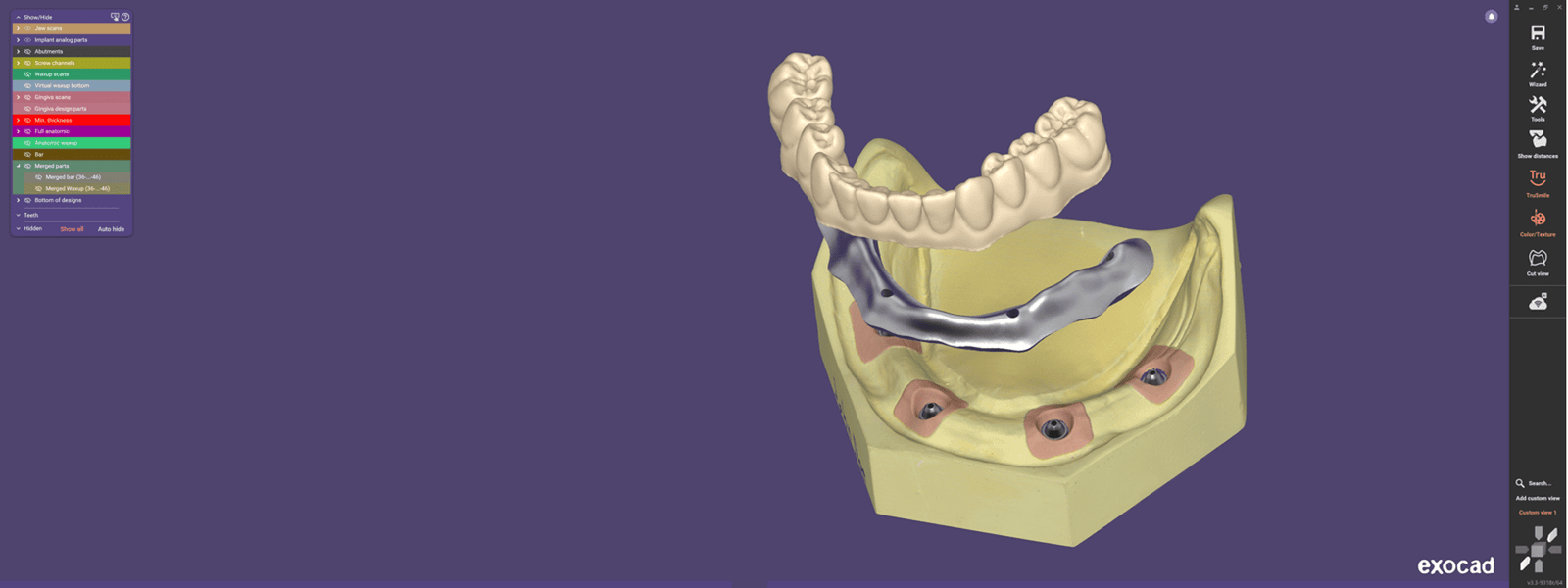
Fabrication-ready implant bar design for dental labs, from confirmed implant and component data through review, revision, approval, and final handoff for fabrication.
✅ 24h standard turnaround
✅ Implant-level & MUA workflows
✅ Review + normal revisions included
✅ Fabrication-ready STL + applicable files
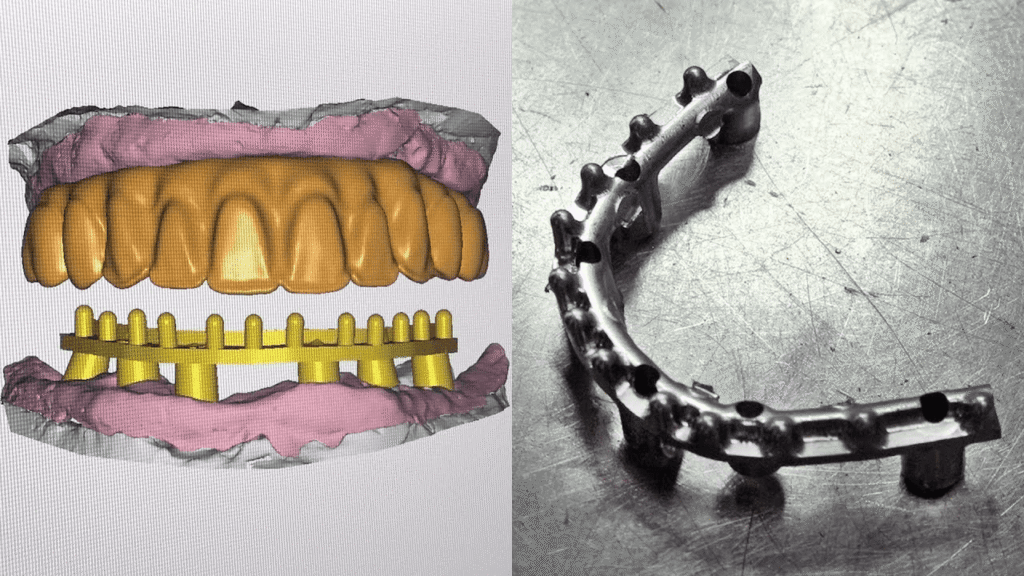
Raytops provides implant bar CAD design support for dental labs outsourcing removable and fixed bar-supported cases. Designs are developed around the confirmed implant and component relationship, planned prosthesis, attachment and retention requirements, available restorative space, and downstream fabrication workflow. From routine overdenture bars to more complex full-arch cases, the goal is to remove CAD workload while keeping review, revision, approval, and final production control clear.
WHAT THIS MEANS FOR YOUR LAB
Extend your CAD expertise.
Support your design workload.
Match outsourcing to demand.
Add capacity, not headcount.
START WITH ONE CASE
Let’s agree on scope, turnaround and pricing before your trial.
FROM OUR CAD TEAM
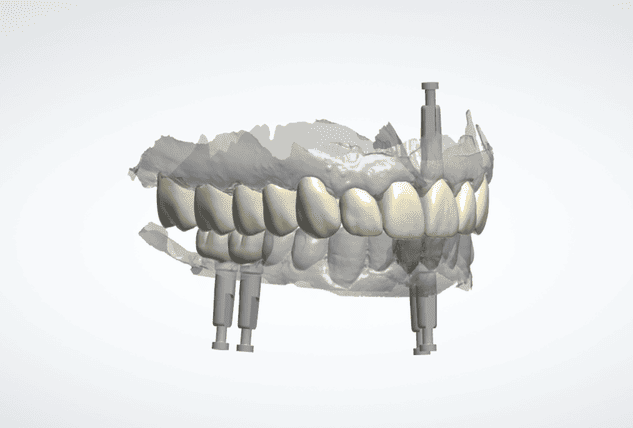
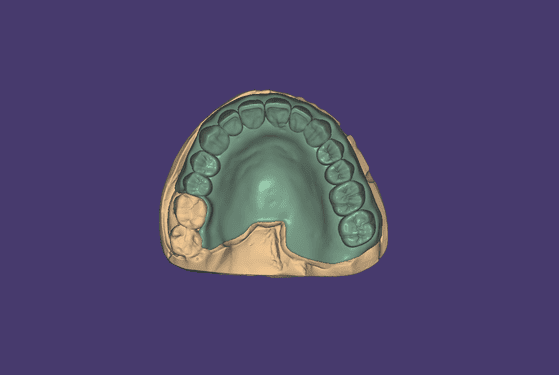
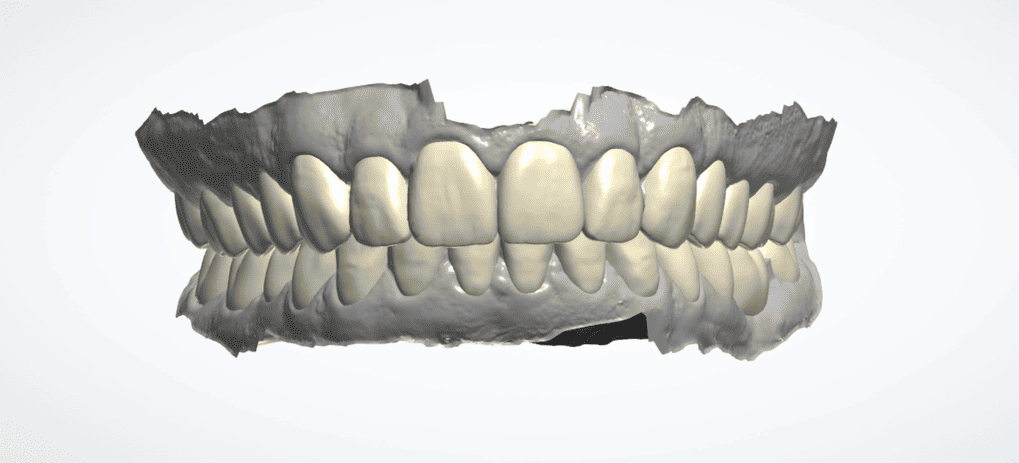
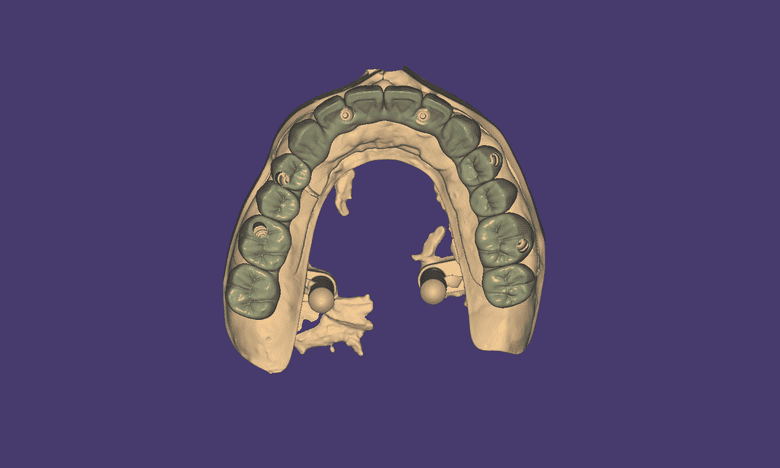
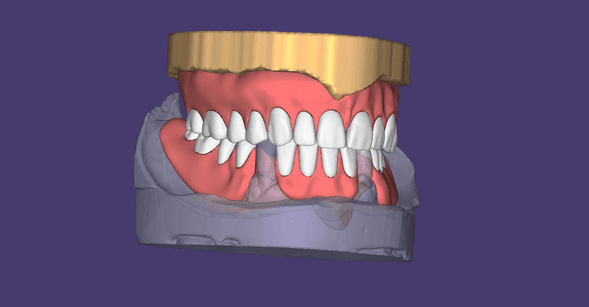
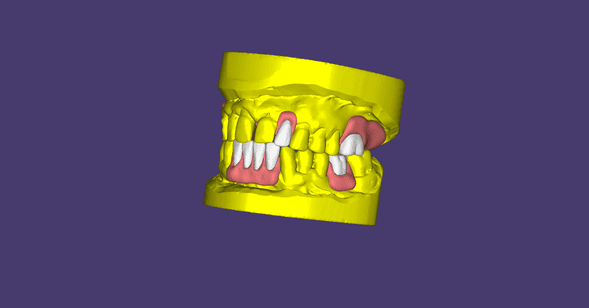
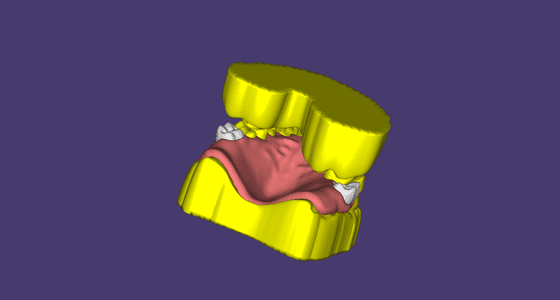
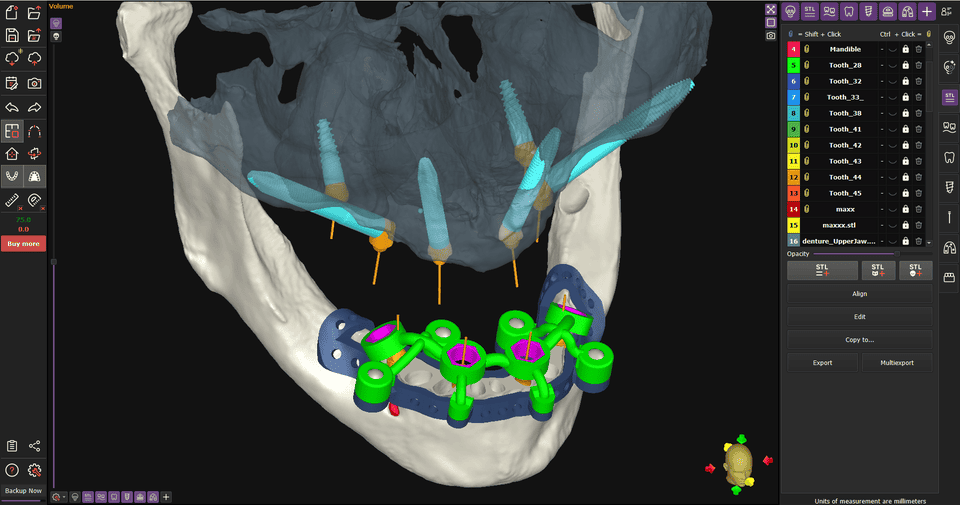
Explore a selection of dental CAD designs, from individual restorations to full-arch work. Click any image to view the design in detail.
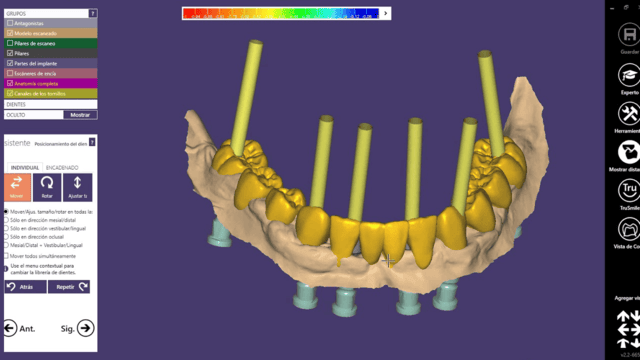
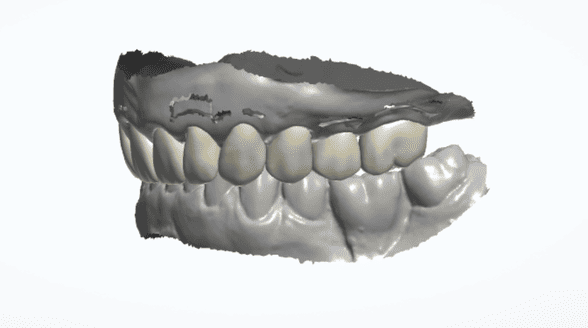
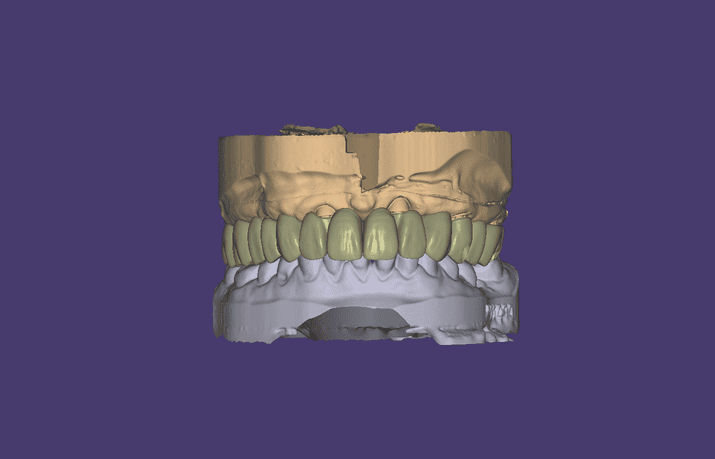
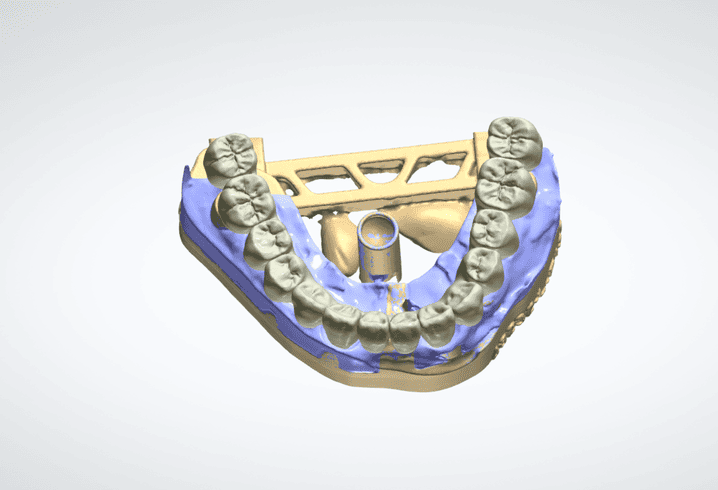
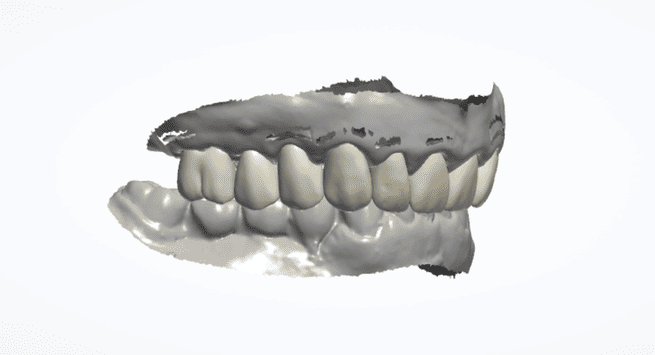
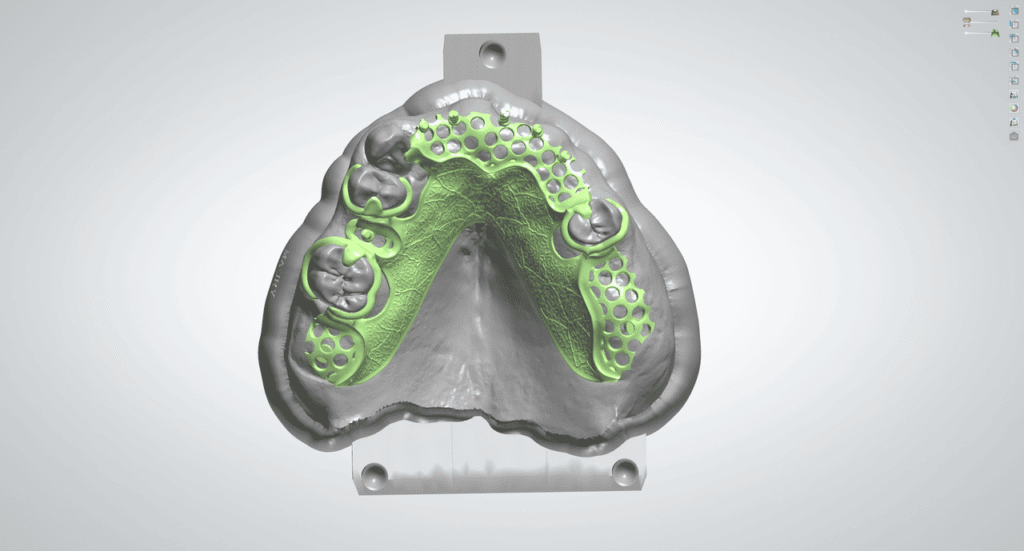
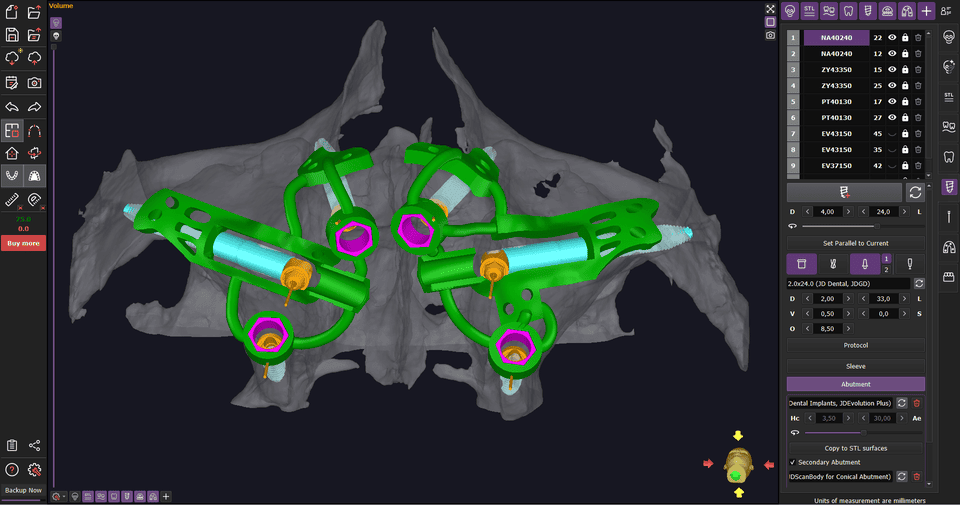
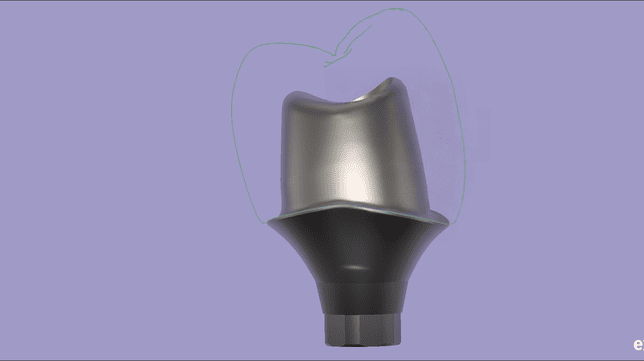
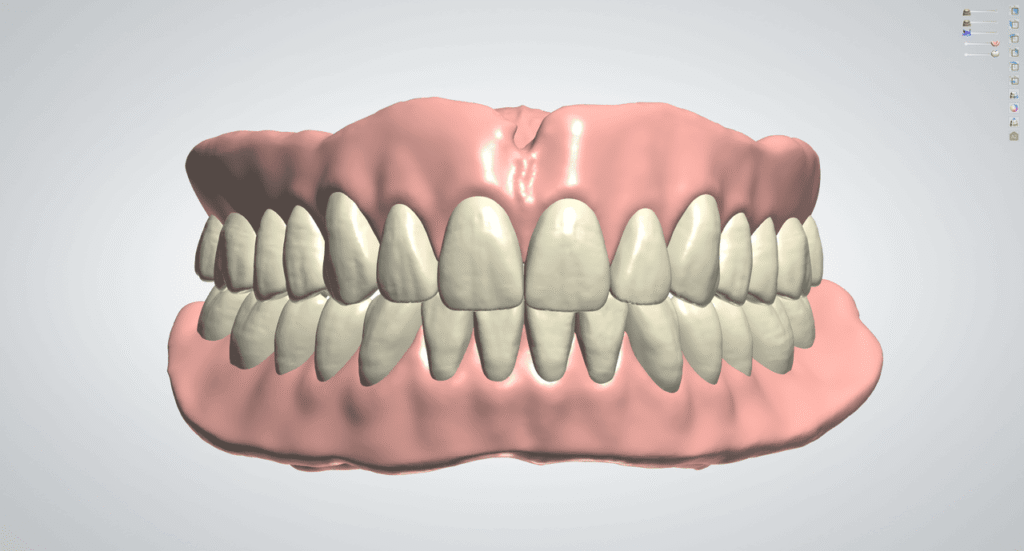
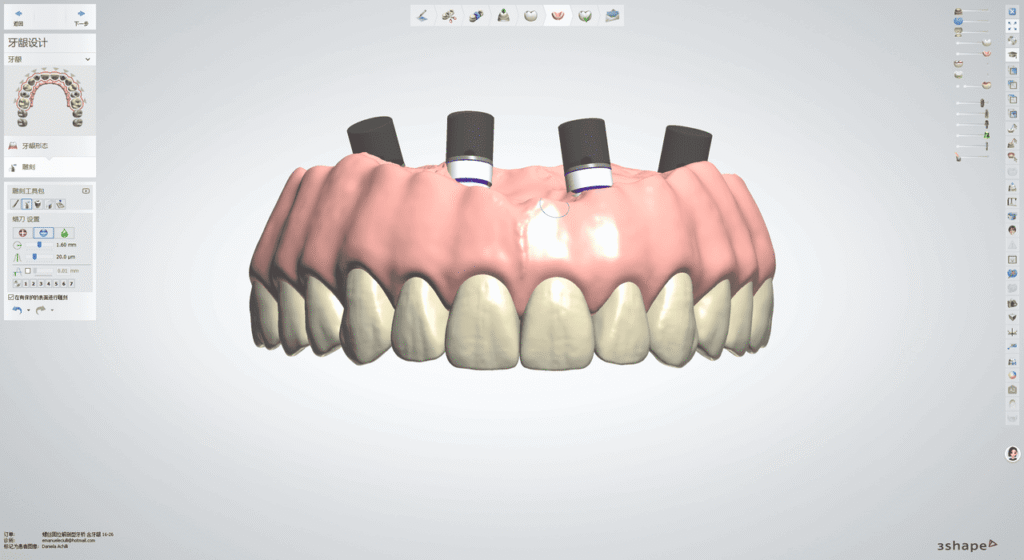
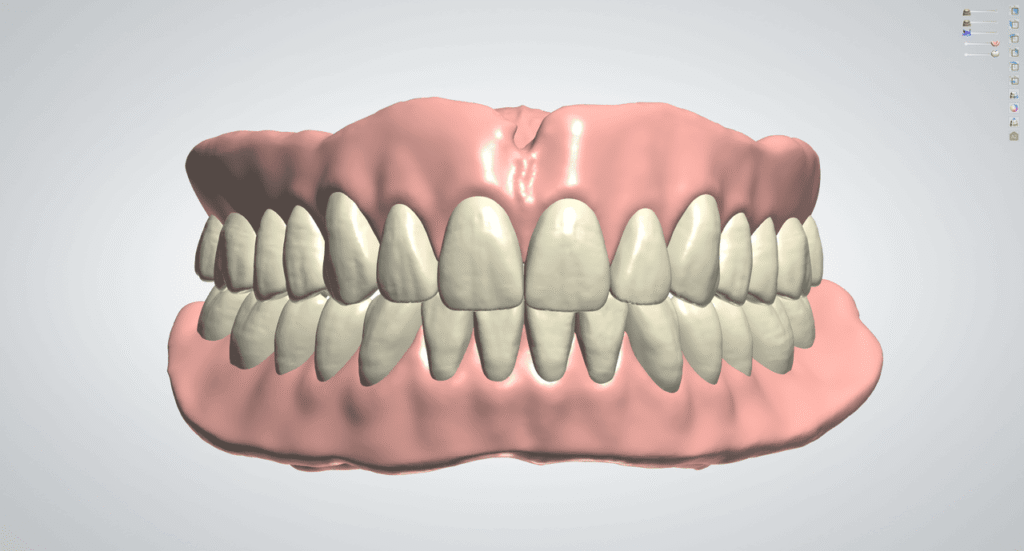
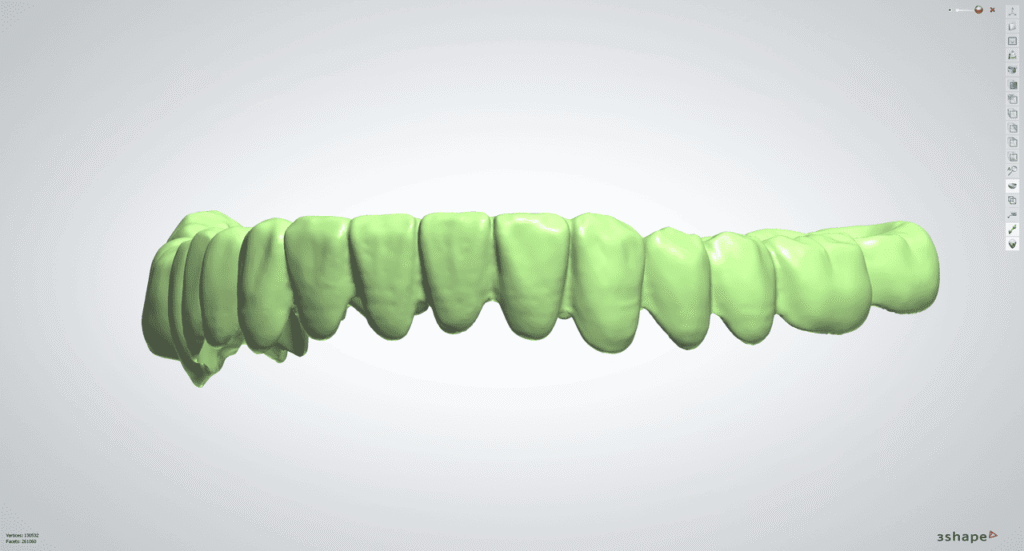
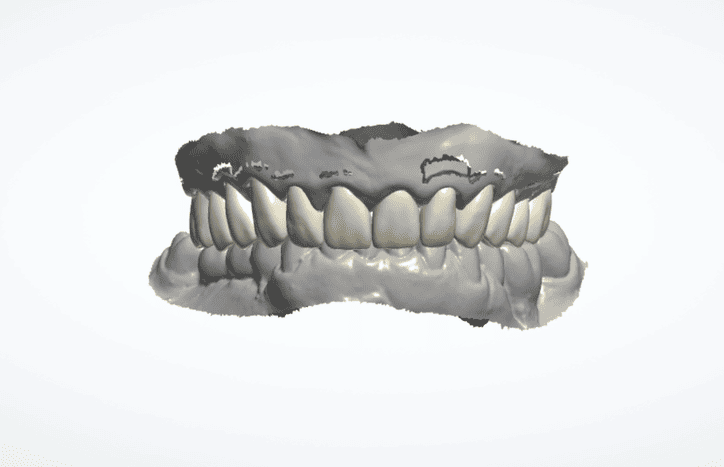
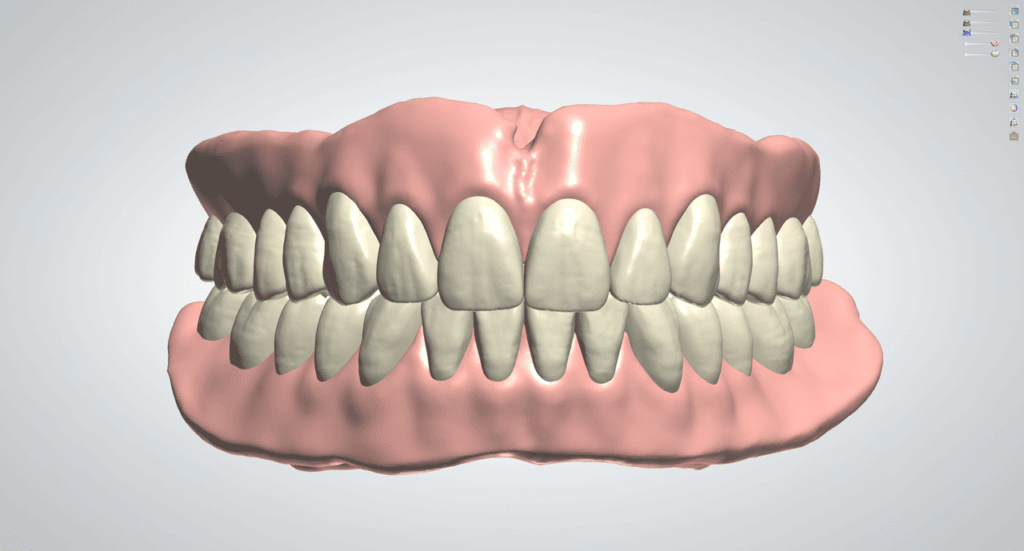
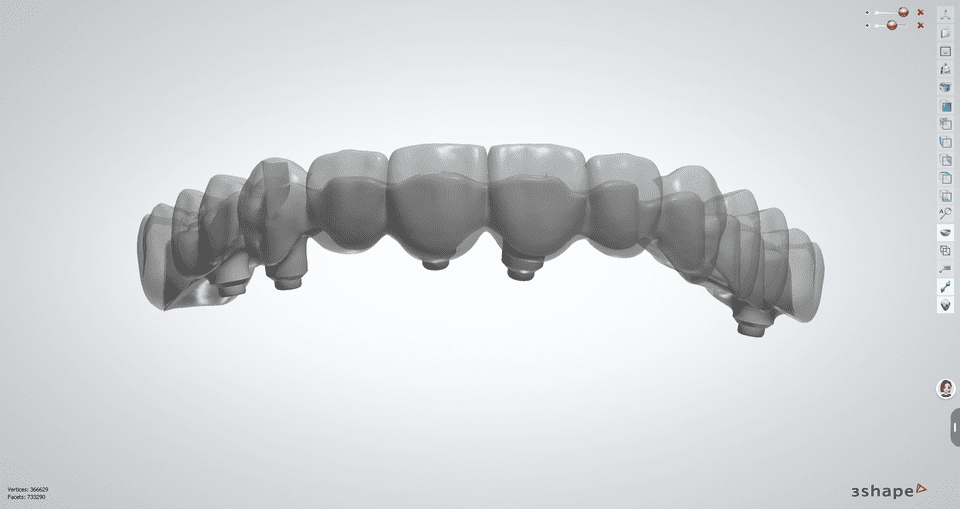
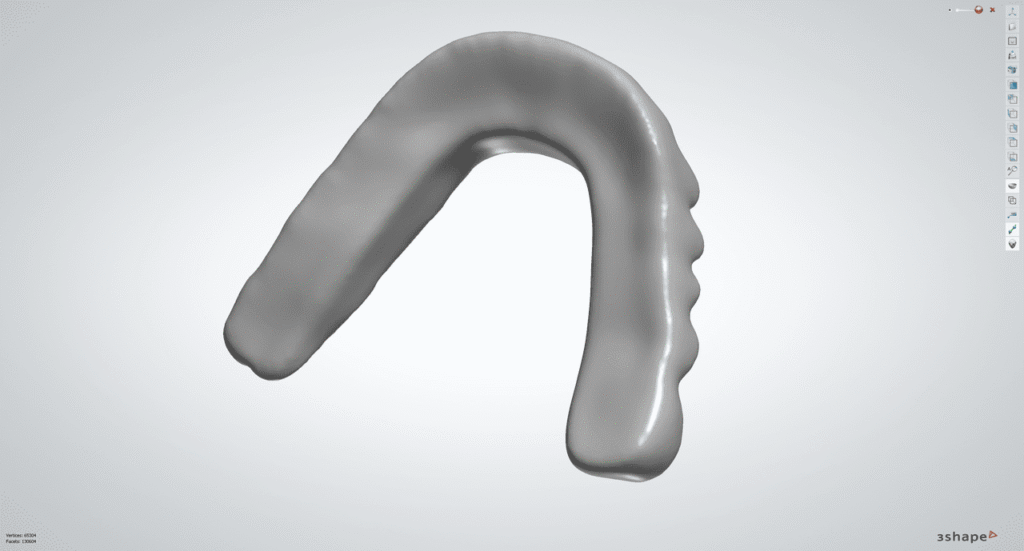
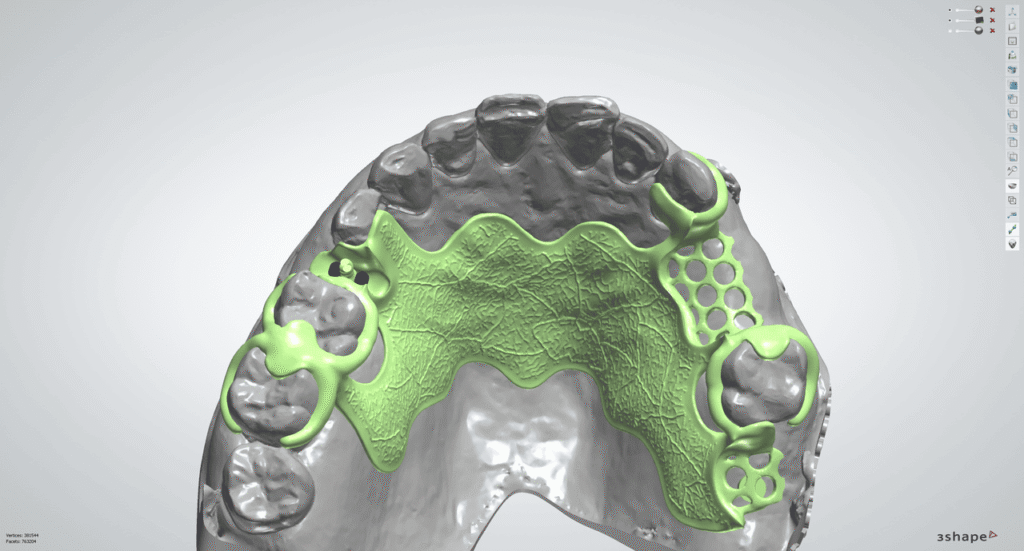
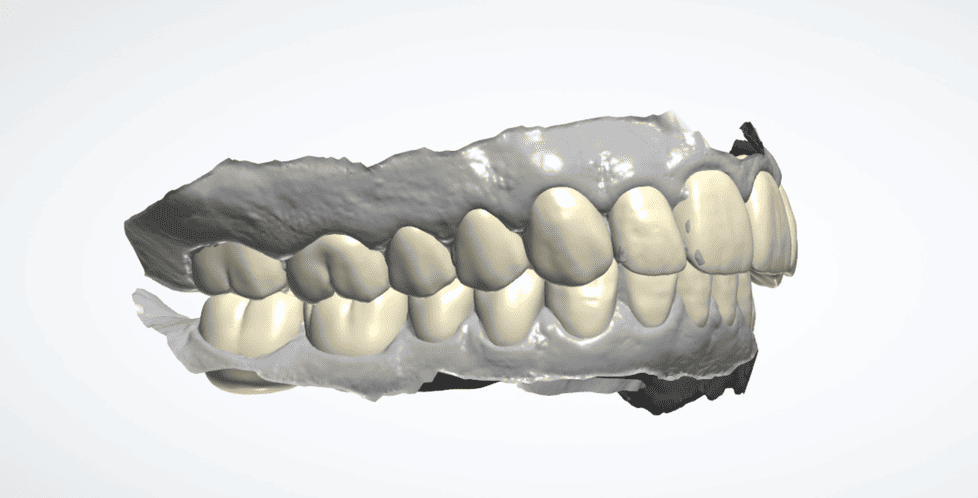
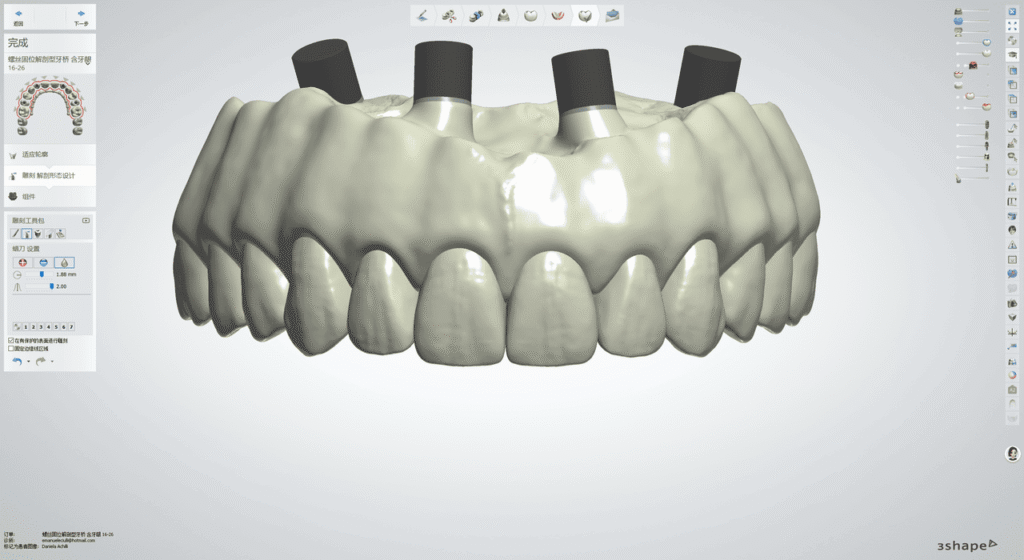
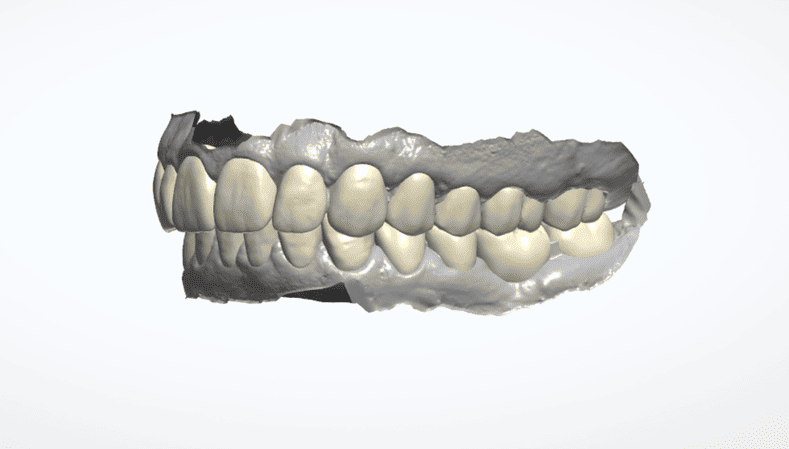
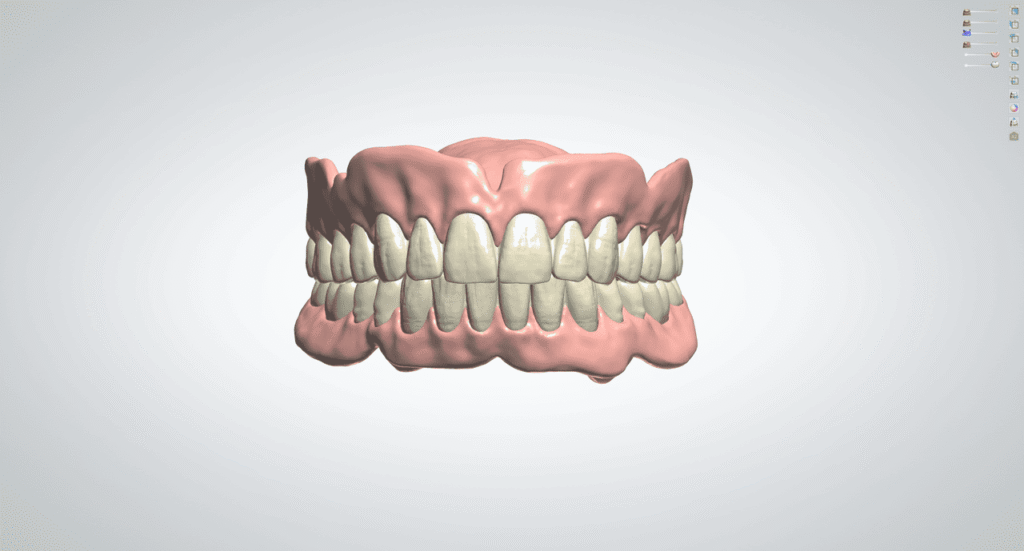
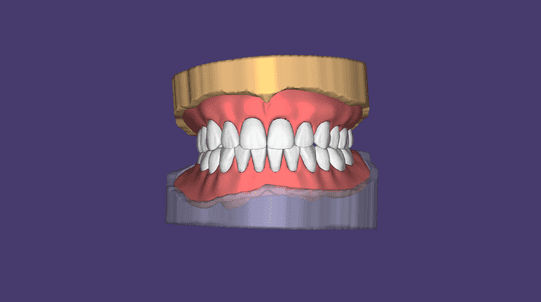
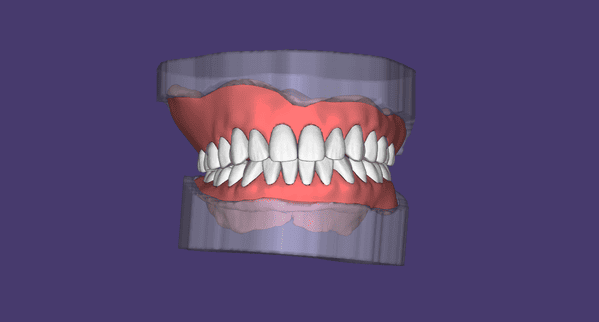
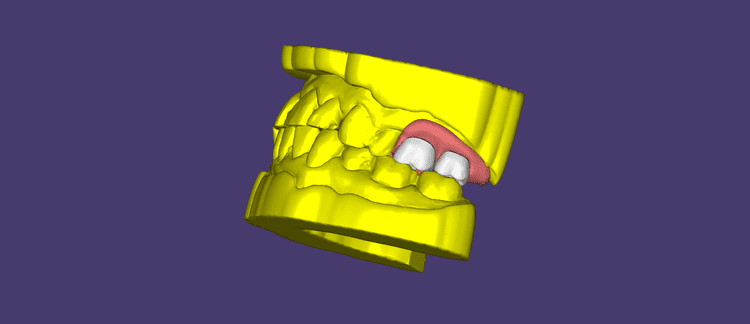
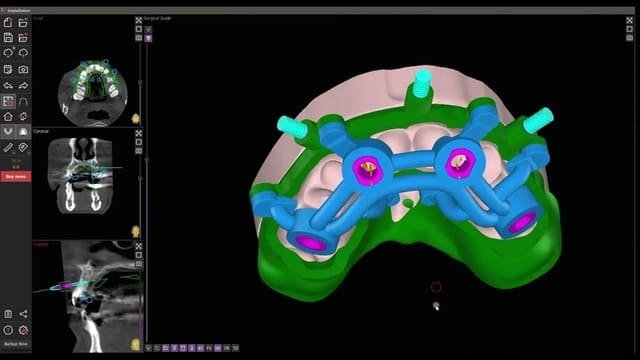
Implant Bar cases can consume disproportionate senior CAD time because implant references, prosthetic space, attachment position, insertion path, hygiene, structure, and manufacturing constraints have to be solved together. Outsourcing this workload should create usable capacity—not replace design time with more clarification, supervision, and revision management.
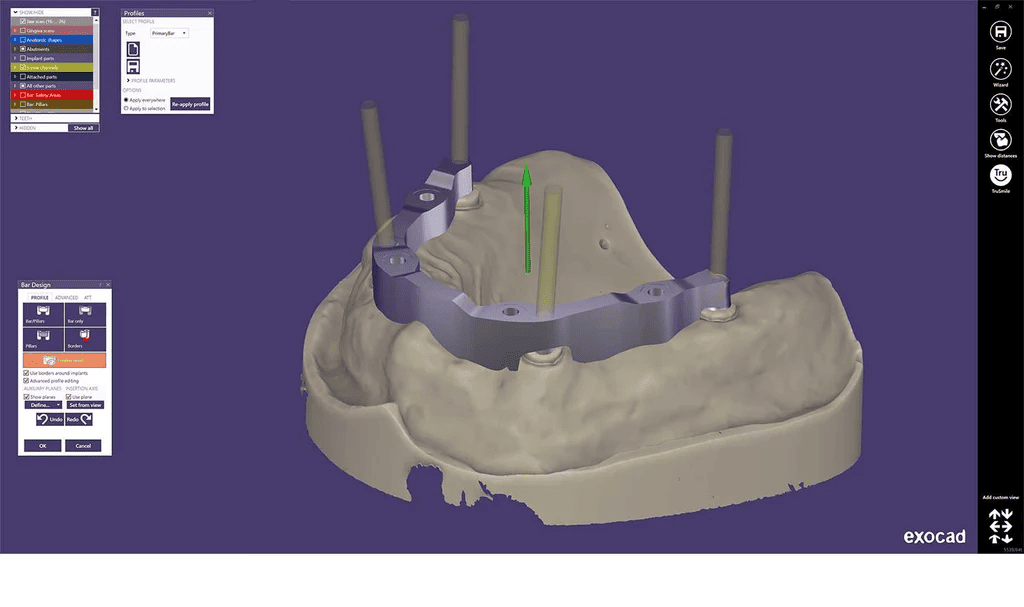
Implant Bar cases can interrupt a routine CAD queue because they often require more design judgment, review, and coordination than conventional cases. External CAD capacity gives the lab another path for these cases without expanding the in-house team around an irregular or changing workload.
Implant Bar cases often require experienced judgment around restorative space, attachments, insertion path, structure, and manufacturing constraints. Outsourcing selected cases helps keep senior internal designers available for work that needs their direct attention.
The lab still defines the restorative objective and approves the result. The external CAD team handles design decisions within those confirmed conditions, raising clarification only when an unresolved point can materially change the bar.
Use additional Implant Bar design capacity when internal workload rises without changing how cases are submitted, reviewed, revised, approved, and released for fabrication.
A controlled workflow separates normal CAD judgment from questions that genuinely need confirmation. Once case requirements and lab preferences are established, recurring cases should require less repeated explanation—not more.
Implant Bar CAD is developed around the confirmed component, prosthetic, attachment, and manufacturing conditions so the approved design can move into the agreed fabrication workflow without reopening basic design decisions.
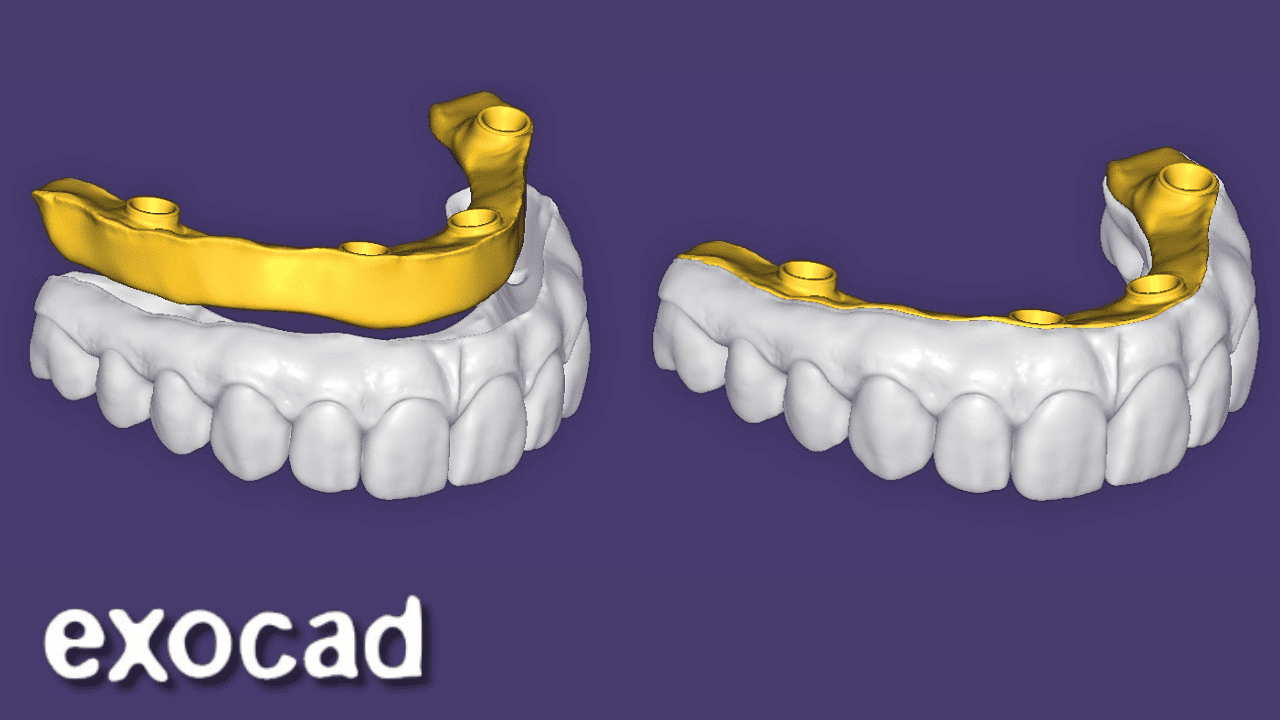
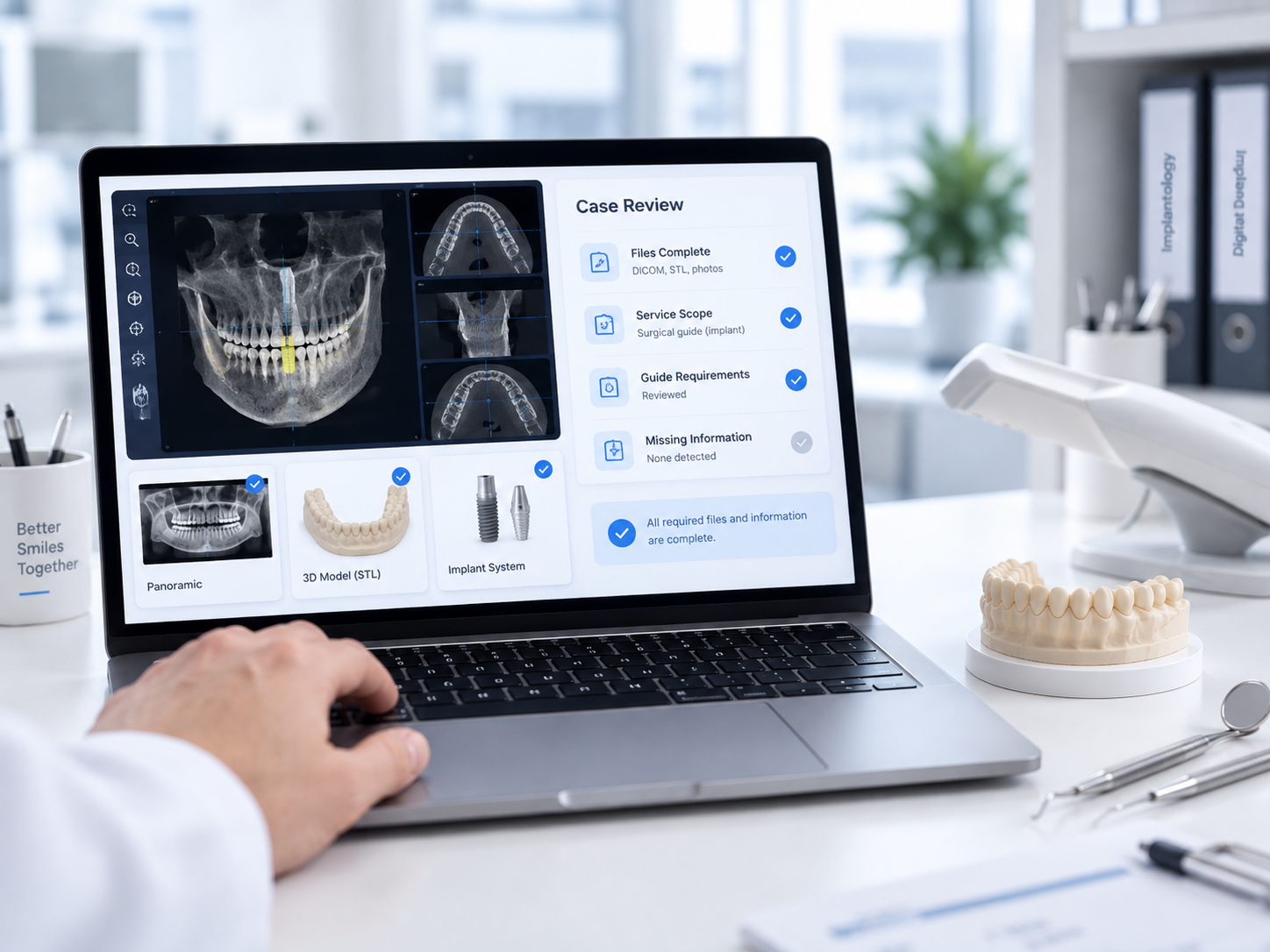
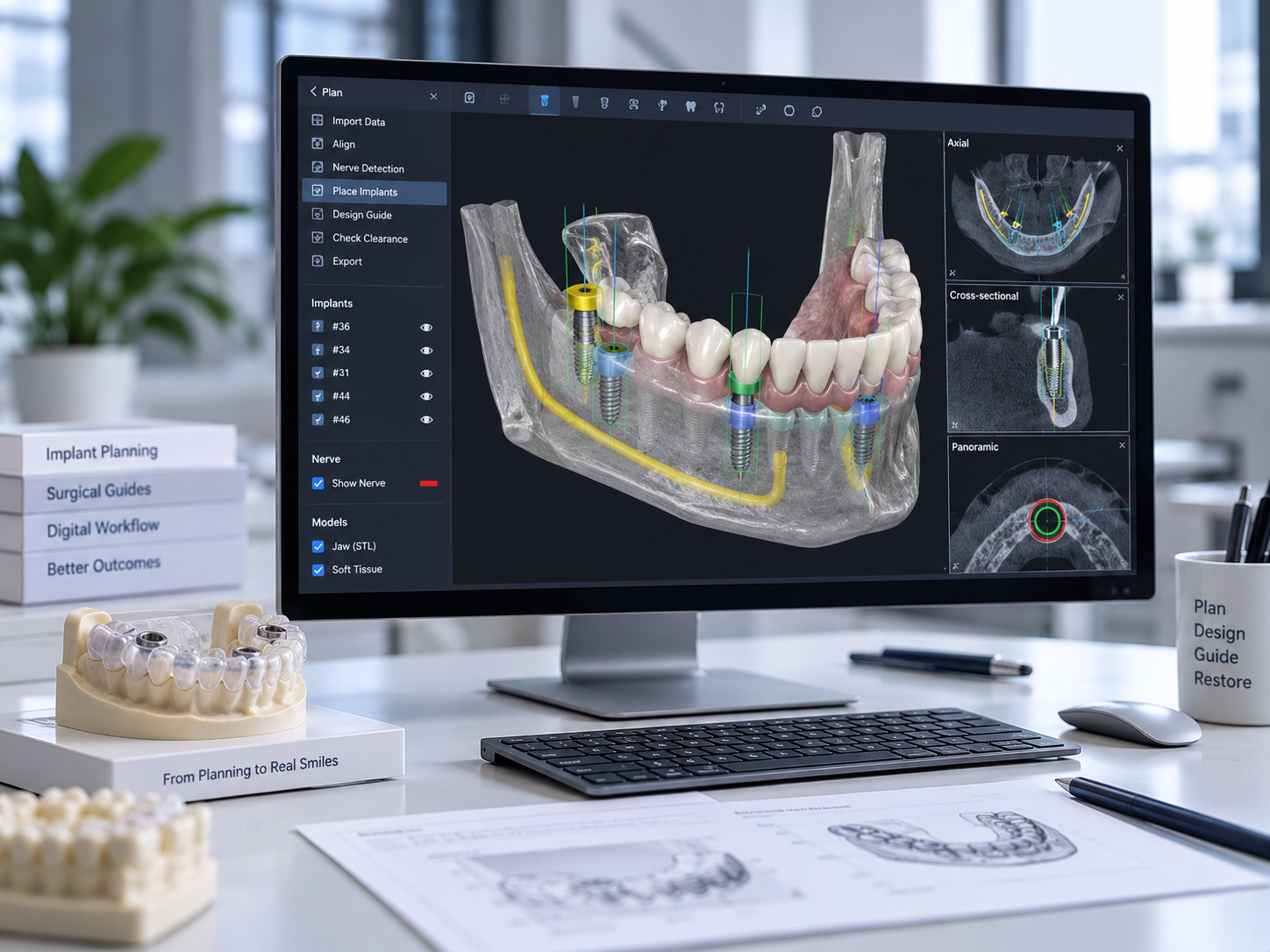
Send the case files, implant / component information, prosthetic requirements, and any lab-specific preferences. Raytops reviews the case before CAD begins, completes the Implant Bar design within the confirmed scope, returns it for review and revision, then releases the approved production files for fabrication.
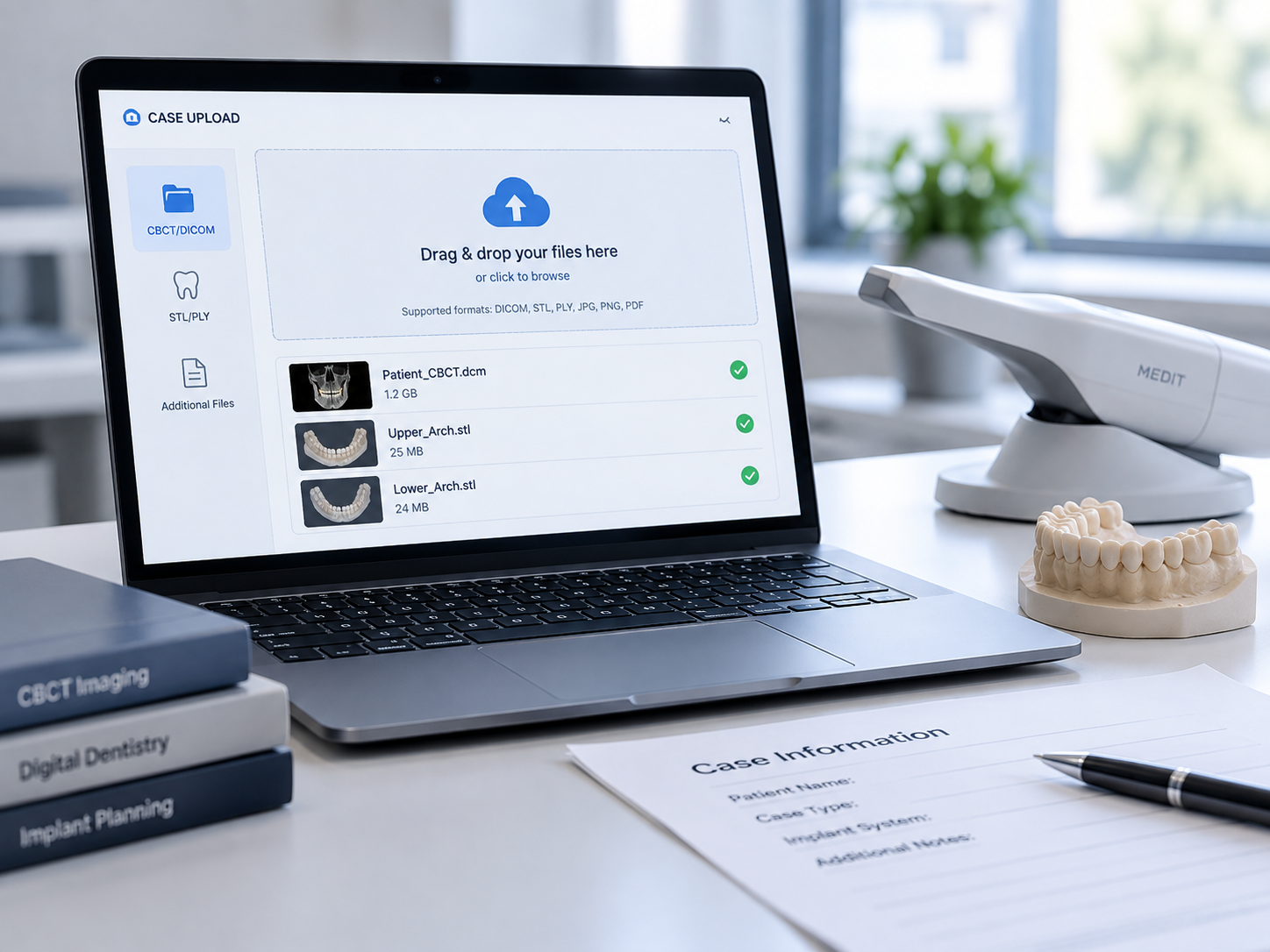
Practical answers for dental labs evaluating implant bar CAD outsourcing—from case readiness and implant / MUA references to prosthetic requirements, revisions, production-ready design, supplier evaluation, and clarification.
Yes. Implant bar CAD design can be outsourced as a standalone service while milling or fabrication remains with the dental lab or its existing production partner. The important point is to define the manufacturing conditions before final release so the approved geometry is compatible with the downstream workflow.
A reliable implant bar design normally requires confirmed implant or MUA information, the relevant scanbody / component relationship, prosthetic setup or restorative objective, attachment or retention requirements, available restorative space, and any manufacturing conditions that can affect the geometry.
The main difference is the restorative reference level used for the design and connection. An implant-level bar connects directly at the implant interface, while an MUA-level workflow references the multi-unit abutments.
This affects component selection, CAD libraries, screw access, insertion conditions, available restorative space, and the geometry the designer works from.
The final prosthesis defines much of the space and function available for the bar. Tooth position, restorative volume, attachment height, retention concept, insertion path, hygiene access, and tissue relationship can all change the appropriate bar geometry.
Revisions commonly result from changes or conflicts involving restorative space, attachment position, insertion path, prosthetic setup, component information, tissue clearance, or manufacturing requirements.
Normal design refinements are part of the review process. If a new instruction changes a design-defining condition, the case may need to be reconfirmed rather than treated as a routine revision.
A production-ready design is more than a finished STL. The implant / component relationship, prosthetic requirements, retention and attachment conditions, structural and hygiene considerations, and relevant manufacturing constraints should already be resolved and reviewed.
The approved output should be able to move into the agreed fabrication workflow without reopening basic design decisions.
Look beyond software names and the number of bar types shown on a website. More useful signals include whether the supplier understands the planned prosthesis, recognizes design-defining constraints, raises clarification at the right time, provides a reviewable design, handles revisions clearly, and delivers files that fit the lab’s fabrication workflow.
For recurring outsourcing, consistency and management load matter just as much as the quality of one finished case.
A case should be held when continuing would require an assumption that could materially change the design—for example, uncertain implant / component identification, conflicting prosthetic requirements, undefined attachment conditions, insufficient restorative-space information, or manufacturing requirements that affect the geometry.
Holding the case at that point is not a delay for its own sake; it prevents an unresolved assumption from becoming a production problem.
Implant bar CAD outsourcing is most useful when it removes design workload without reducing control over the case. For a dental lab, that means more than receiving an STL file. The supplier needs to understand the implant and component situation, the planned prosthesis, the design constraints that can change the bar, and the manufacturing conditions that follow.
The real value is a controlled path from case information to an approved, production-ready design. Scope, design judgment, clarification, review, revision, and final handoff determine whether outsourcing actually saves time or simply moves the workload into communication and case management.
For a dental lab already handling real implant cases, an implant bar CAD outsourcing service should be easy to qualify before the first case is sent. The essential questions are straightforward: whether the required case is within scope, where outsourced CAD responsibility begins and ends, what information is needed, and what comes back ready for the next production step.
The first supplier decision is therefore not simply whether a provider offers implant bar design, but whether the service fits the case and the laboratory’s existing workflow.
Raytops supports common implant bar CAD workflows for dental laboratories, including:
The service is not based on selecting from a fixed catalog of bar types. Case fit depends on the combination of the planned prosthesis, implant / component relationship, attachment and retention requirements, available restorative space, and intended manufacturing workflow.
For supplier evaluation, this matters more than simply counting how many bar configurations a provider can list. The practical question is whether the specific production case can be handled within a controlled CAD workflow.
A clear outsourcing scope separates case definition, CAD design, approval, and fabrication responsibility.
The working chain is:
confirmed case information → implant bar CAD design → review / revision → approval → production handoff
Once the essential implant, component, prosthetic, and manufacturing information is sufficiently defined, the CAD team takes responsibility for translating those conditions into the implant bar design.
Clinical decisions remain with the clinician or case owner. Case-defining restorative requirements also need to be confirmed before CAD unless they are already clearly defined in the submitted prescription and agreed workflow. The design team works within those confirmed conditions and raises clarification when missing or conflicting information could materially change the design.
For an existing laboratory, this boundary matters because outsourcing should remove CAD workload without replacing it with unnecessary communication or uncertainty over who owns each decision.
The basic procurement information should be visible and easy to compare with an existing supplier or internal CAD workflow.
| Procurement item | Raytops Implant Bar CAD Outsourcing |
|---|---|
| Design software | Exocad-based implant bar CAD workflow |
| Case submission | STL / PLY scans together with implant, component, prosthetic, bite / antagonist, and case-specific instructions |
| Implant information | Implant system / platform, scanbody or MUA information, and applicable library / component details |
| Prosthetic information | Planned prosthesis, tooth setup or existing restoration, attachment / retention requirements, and relevant restorative-space information |
| Case review | Submitted information is checked before or during CAD; design-defining uncertainties are clarified before final release |
| Design review | A review-ready digital design is provided before production release |
| Revision | Normal revisions within the agreed case scope are completed before approval |
| Turnaround | Routine design cases are normally returned within 24 hours; complex or incomplete cases are confirmed separately |
| Deliverables | Production-ready STL files and applicable Exocad project / design files |
| Submission / communication | Digital transfer of scans, instructions, review feedback, and updated case information |
| Final handoff | Design → Review → Revision if needed → Approval → Final production files |
This baseline allows a mature buyer to compare Raytops directly with an existing CAD supplier or internal workflow. Scope, review, revisions, turnaround, and final handoff are visible before a long-term outsourcing decision has to be made.
For a real production case, the fastest fit check is to submit the case information and confirm scope, workflow, and expected deliverables before CAD begins.
A production-ready implant bar design has to move from reliable implant information to a result that can enter fabrication without reopening major design decisions. The CAD work therefore needs to reflect the implant and component relationship, the planned prosthesis, the bar-specific constraints, and the manufacturing conditions that shape the final result.
For a lab evaluating an outsourcing supplier, these are practical design-fit criteria. The question is whether the provider consistently recognizes the conditions that materially affect the bar and incorporates them before final release.
Implant bar CAD depends on the implant and component relationship used as the design reference. The implant system and platform, scanbody or MUA information, corresponding CAD library, implant position, angulation, and relevant interface data all need to be sufficiently reliable for design.
A complete-looking scan can still contain an unresolved reference problem. If the scanbody, implant platform, MUA level, or component relationship is incorrect, the geometry may look internally consistent in CAD while being based on the wrong interface.
A controlled outsourcing workflow should therefore check whether the submitted implant and component information is sufficiently clear and internally consistent before the bar is finalized. Uncertainty that could change the interface, position, or design reference should be clarified rather than carried forward into production.
This CAD review does not replace clinical verification of the scan or actual implant position. It confirms whether the submitted information provides a reliable basis for the design work within the agreed scope.
The bar has to be designed around the restoration it will support. Tooth position, restorative volume, available vertical and horizontal space, retention requirements, insertion path, hygiene access, and tissue relationship all affect the geometry that can realistically be used.
This is why identical implant positions do not necessarily lead to identical bar designs. A change in the planned prosthesis can alter available space, attachment position, structural requirements, or the way the restoration needs to seat.
A supplier therefore needs enough prosthetic context to understand the final restorative objective before the bar architecture is finalized. Designing from implant position alone can produce a technically complete CAD file that still conflicts with the restoration built around it.
Several design conditions usually compete for the same limited space, and the final geometry has to balance them rather than solve each one independently.
| Design condition | What it can affect |
|---|---|
| Available prosthetic space | Bar height, contour, attachment position, and restorative material volume |
| Implant / abutment angulation | Insertion path, screw access, bar direction, and attachment positioning |
| Retention concept | Attachment type, orientation, spacing, and available restorative volume |
| Support and structural demand | Bar contour, span, reinforcement, and bulk distribution |
| Hygiene / tissue relationship | Tissue-facing contour, clearance, access, and emergence relationship |
| Final prosthetic architecture | Overall bar form, support strategy, attachment layout, and space allocation |
The design value lies in how these conditions are handled together. A change in attachment position can affect restorative space and insertion path; a change in tissue clearance can influence bar contour and support; a different prosthetic architecture can change the entire allocation of space and retention.
For supplier evaluation, named bar configurations alone provide limited evidence of design capability. More useful evidence is whether the provider recognizes which case conditions materially affect the design, adjusts the geometry accordingly, and keeps the final bar compatible with the planned prosthesis and production requirements.
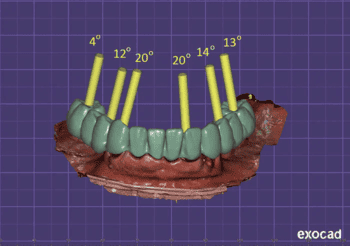
Published milled-bar cases also show that attachment position and bar geometry may need to change according to restorative space, tooth setup, implant angulation, and the final prosthetic envelope. The bar therefore needs to be designed around the complete restorative situation rather than implant position alone.
The design also has to match the production method used after approval. Material, milling strategy, tool access, minimum feature requirements, interface geometry, attachment components, screw access, and other manufacturing limits can all influence what is practical to produce.
These conditions are most useful when considered before final release. If a manufacturing restriction is discovered only after approval, the case may need to be reopened even though the CAD work appeared complete.
A production-ready result should therefore already reflect the agreed manufacturing environment. Bar geometry, attachment interfaces, screw access, insertion axis, and other relevant parameters need to remain compatible with the selected components and fabrication workflow so the approved file can move into production without major redesign.
Outsourcing implant bar CAD should reduce design workload without making the case harder to manage. The important issue is not only who creates the CAD, but how the case moves through review, revision, approval, clarification, and final release.
A clear workflow keeps the laboratory in control of the case while allowing the external design team to handle the CAD work efficiently.
The design should be reviewed before final production files are released.
A typical workflow is:
Case submission → CAD design → Review → Revision if needed → Approval → Final release
Review gives the lab a chance to confirm the bar design, attachment positions, restorative relationship, and case-specific requirements before fabrication begins.
Revisions that remain within the confirmed case requirements can normally be handled during this stage. If new instructions change the prosthetic concept, component selection, attachment strategy, material, or another condition that defines the case, the updated requirement should be confirmed before design continues.
This keeps normal design convergence separate from a genuine change in case scope.
Responsibility should remain clear throughout the case.
The lab provides the clinical and restorative information that defines the case, including implant and component data, prosthetic requirements, and relevant manufacturing conditions. The CAD team works within those confirmed conditions, completes the design, and identifies missing or conflicting information that could materially affect the result.
| Responsibility | Typical ownership |
|---|---|
| Clinical prescription and clinical decisions | Clinician / case owner |
| Implant and component information | Lab-provided case data |
| Prosthetic requirements | Lab / restorative team |
| CAD decisions within confirmed conditions | CAD design team |
| Clarification of design-defining uncertainty | Case owner / lab confirms before design continues |
| Design review and approval | Lab |
| Final CAD file release | Raytops after lab approval |
| Fabrication | Manufacturing provider / lab according to the agreed workflow |
This boundary makes it clear which decisions belong to normal CAD judgment and which require confirmation, while avoiding unnecessary back-and-forth.
Not every missing detail needs to stop a case, but information that can materially change the design should be clarified before final release.
Typical examples include uncertainty around implant platform, scanbody or MUA reference, attachment requirements, prosthetic setup, restorative space, or manufacturing conditions.
When these issues appear, the efficient response is to identify the specific point that needs confirmation, update the case information, and continue from the corrected instruction.
Clarification should stay focused on decisions that affect the bar rather than turning routine CAD judgment into repeated communication.
Once the design has been reviewed and approved, the final handoff should be straightforward.
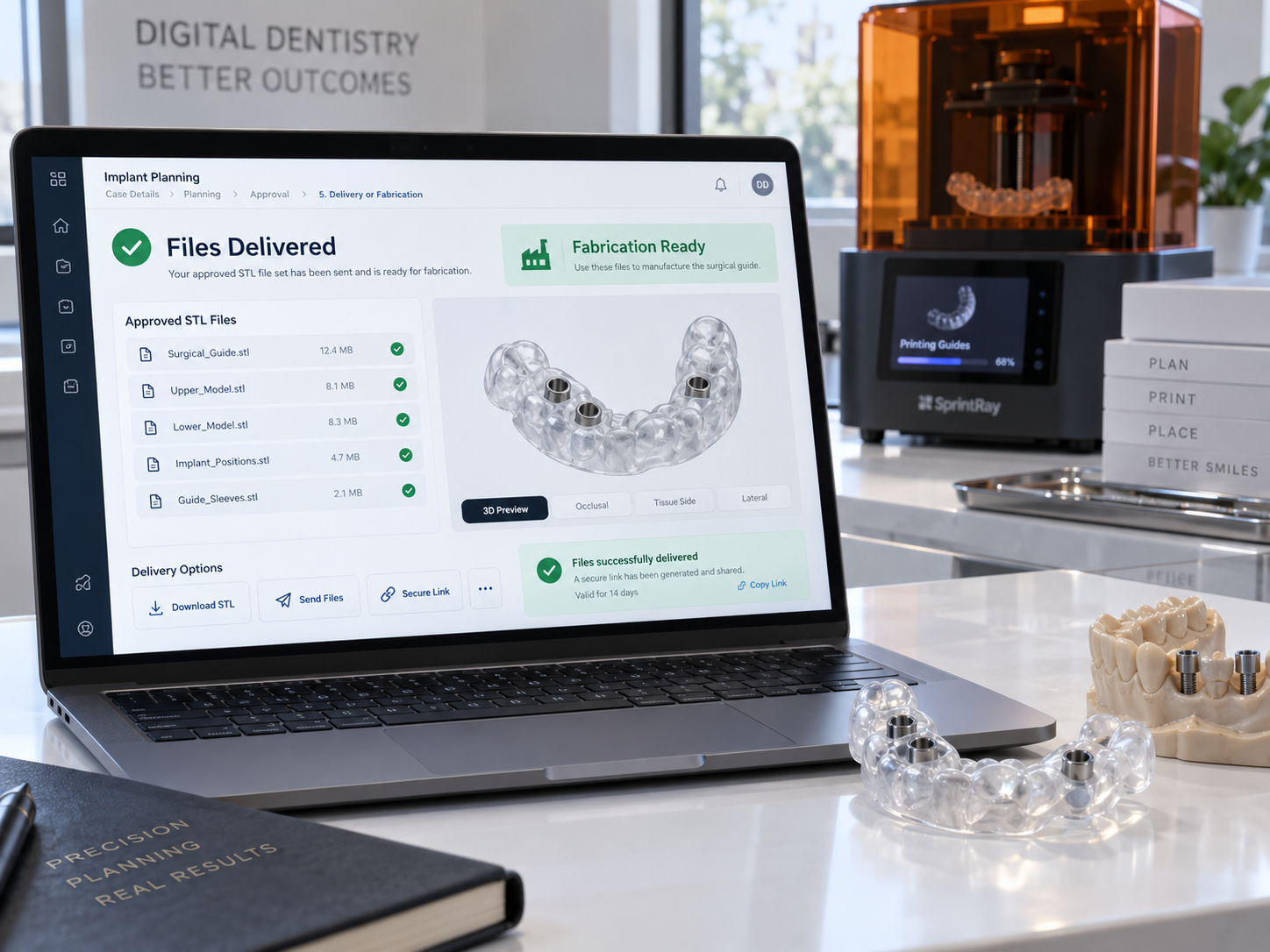
The released case includes the final production-ready STL files together with applicable Exocad project or design files and the information needed for the next manufacturing step. The approved version should also be clearly distinguishable from earlier review or revision files.
Here, production-ready means that the approved design has been prepared for the agreed manufacturing workflow using the known component, material, and production conditions. It does not imply that the same geometry is automatically suitable for every machine or manufacturing process.
A clean handoff reduces the risk of using the wrong revision, reopening approved decisions, or adding extra case management before fabrication.
A well-structured outsourcing workflow should remove CAD workload from the lab without replacing it with unnecessary communication and file management.
Recurring implant bar work depends on more than the quality of one finished design. The same working standard has to remain stable across different cases, revisions, and changing workloads.
The most useful proof comes from relevant implant experience, visible workflow control, clear deliverables, and a process that can be repeated without constant supervision.
Case examples are most useful when they reflect the type of work a lab actually intends to outsource.
Raytops already works with implant restorations, full-arch cases, All-on-X bars, bar-retained overdentures, implant-level components, and different major implant systems. Its public case gallery includes an All-on-4 titanium bar, while the broader implant workflow covers Exocad / 3Shape design, implant libraries, full-arch review, and passive-fit verification.
For CAD outsourcing, the most useful case record does not need to be long. A simple sequence can show much more than a finished screenshot alone:
Case input → Design issue → Adjustment → Approved output
This shows how the case was handled and what changed during the design process.
Raytops uses QC at several stages rather than treating quality control as a final inspection. Digital files are checked at intake, CAD work is reviewed during design, unclear information can be returned for clarification, and the approved output moves forward only after the relevant checks are completed.
For implant work, the existing workflow also includes implant-system and scanbody information, implant-specific CAD parameters, optional design previews for full-arch cases, connection checks, and case traceability.
For recurring Implant Bar CAD work, the control chain is straightforward:
Input review → CAD design → Design check → Client review / revision → Approval → Final release
As the same lab sends more cases, established instructions and design preferences should require less repetition. QC should make the workflow more predictable, not create another layer of communication.
Recurring work also depends on what happens when case volume increases.
Raytops routes cases according to restoration type and complexity rather than relying on a single general production queue. Complex implant and full-arch cases can be assigned to specialized teams, while parallel routing helps prevent complex cases from blocking the rest of the workflow.
This matters when Implant Bar CAD moves from occasional cases to recurring work. Additional volume can be absorbed through team assignment while the same submission, review, revision, and release process remains in place.
For a lab, recurring-case consistency should become visible in practical ways:
The files and revision process provide direct evidence of how the service works in practice.
Review material can include digital design previews, screenshots, or 3D views, followed by the approved production-ready STL and applicable Exocad project / design files.
Normal revisions remain within the confirmed case requirements. If new information changes the implant / component reference, prosthetic concept, attachment strategy, material, or another condition that materially changes the design, it should be reconfirmed rather than treated as a routine adjustment.
Clear limitations are part of the workflow as well. Incomplete implant data, unsupported or uncertain component information, or manufacturing requirements that cannot yet be confirmed should be identified before the file enters production.
Together, these signals allow a buyer to verify more than CAD capability. They show whether the supplier can support repeatable production without creating a growing supervision burden.
Once scope, workflow, design judgment, and recurring-case proof are clear, a representative case is the most practical way to test whether the service fits the laboratory’s real production conditions.
The case should resemble the work that is actually intended for outsourcing rather than being selected only because it is easy.
The full process should be tested:
Case submission → Information review → CAD design → Review / revision → Approval → Final production files
The evaluation should look beyond the finished geometry. It should show whether:
For recurring cooperation, the next question is whether the same standard remains stable as more cases are added. Useful signs include consistent interpretation, fewer repeated explanations as preferences become established, predictable review and revision, stable turnaround, and clean final handoff.
If additional volume immediately creates more supervision, communication, or correction work, the outsourcing relationship is not yet reducing the laboratory’s management load.
Start with a representative Implant Bar case, validate the real design and workflow, and increase volume only after the process proves stable.
A reliable implant bar CAD outsourcing service should reduce design workload while keeping the laboratory in control of the decisions that matter.
The practical evaluation rule is simple: look at the complete working system—case fit, design judgment, responsibility, review, recurring-case proof, and final handoff—not only the finished bar geometry.
Use a representative production case to verify that the workflow works under real conditions, then scale only after the process proves reliable and manageable.
Send us your requirements and our technical team will reply with a practical recommendation.