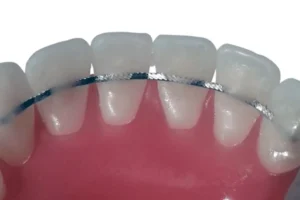
Lingual Wire Retainer
Achieve 98.8% first-fit success with our precision-milled zirconia crowns. Digital workflow ensures consistent margins, natural aesthetics, and 4-8 days turnaround for your practice efficiency.
Digital Dental Lab
Start TrialOur Workflow Process
From digital impression to final delivery, every step is optimized for precision and quality assurance
Case Submission & Clinical Requirements
Upload digital impressions, photos, and detailed clinical notes through our secure portal for comprehensive case analysis
Digital Design & Precision Fabrication
Advanced CAD/CAM technology creates precise 3D models with optimal fit, function, and occlusal harmony
Detail Refinement & Aesthetic Characterization
Master ceramists hand-finish surfaces, adding natural characterization and texture for lifelike aesthetics
Final Multi-Point Quality Control
Rigorous inspection protocols verify fit, margins, contacts, and color matching before final approval
Global Shipping & Secure Delivery
Professional packaging and express courier services ensure safe delivery to your clinic within 2-4 days
Try-In Support & Ongoing Assistance
Technical consultation for try-in appointments and complimentary remake support if adjustments are needed
Digital Dental Lab Team Behind
Your Reliable Cases
Behind every perfect restoration is 15+ years of industrial precision, digital workflows, and a team that treats your cases like our own.
20-40%
Cost Savings
Reduce lab costs without compromising quality standards
4-8 Days
Fast Turnaround
Predictable delivery for better patient scheduling
15+ Years
Industry Experience
Proven track record across global markets
98.6%
Client Satisfaction
Consistent quality across all case types
Industrial-Scale Precision
6,000+ M²
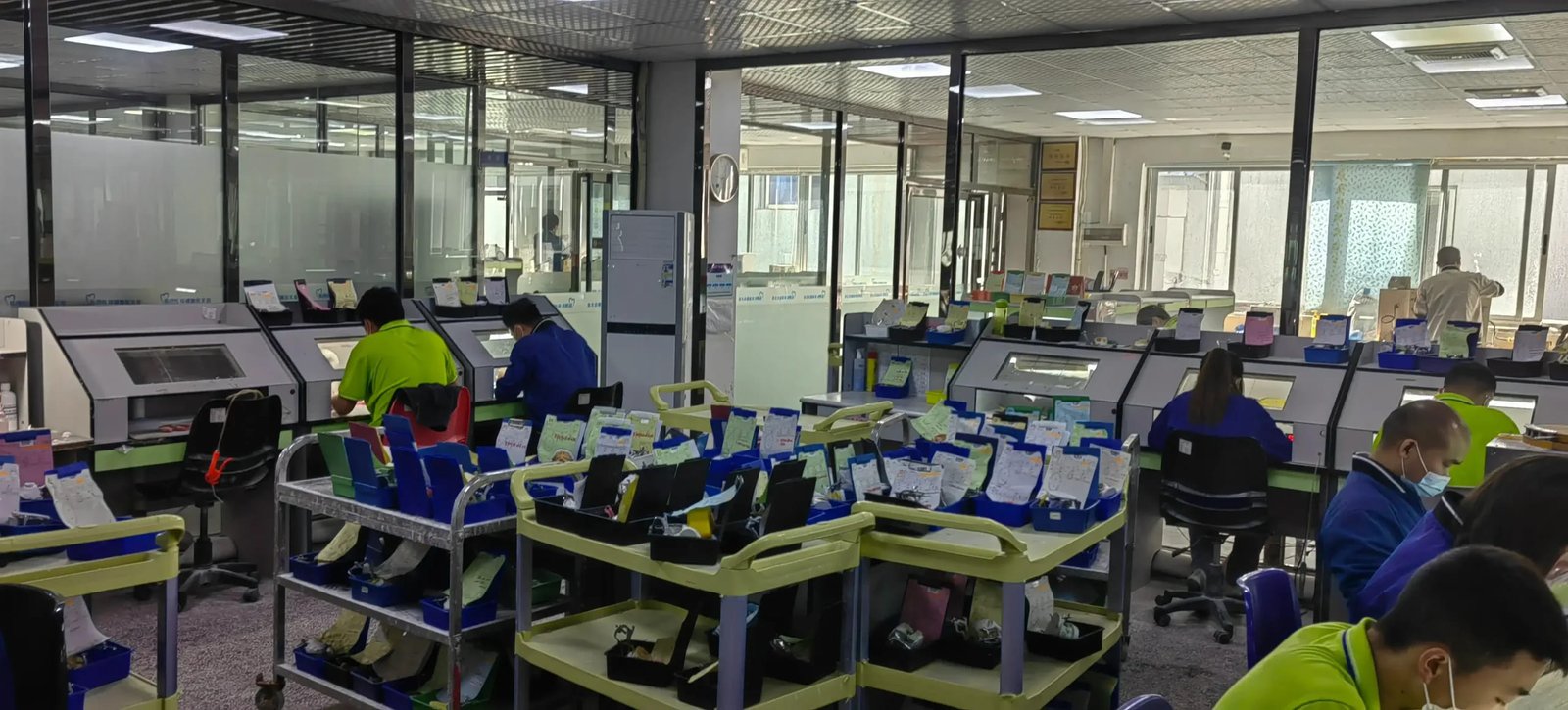
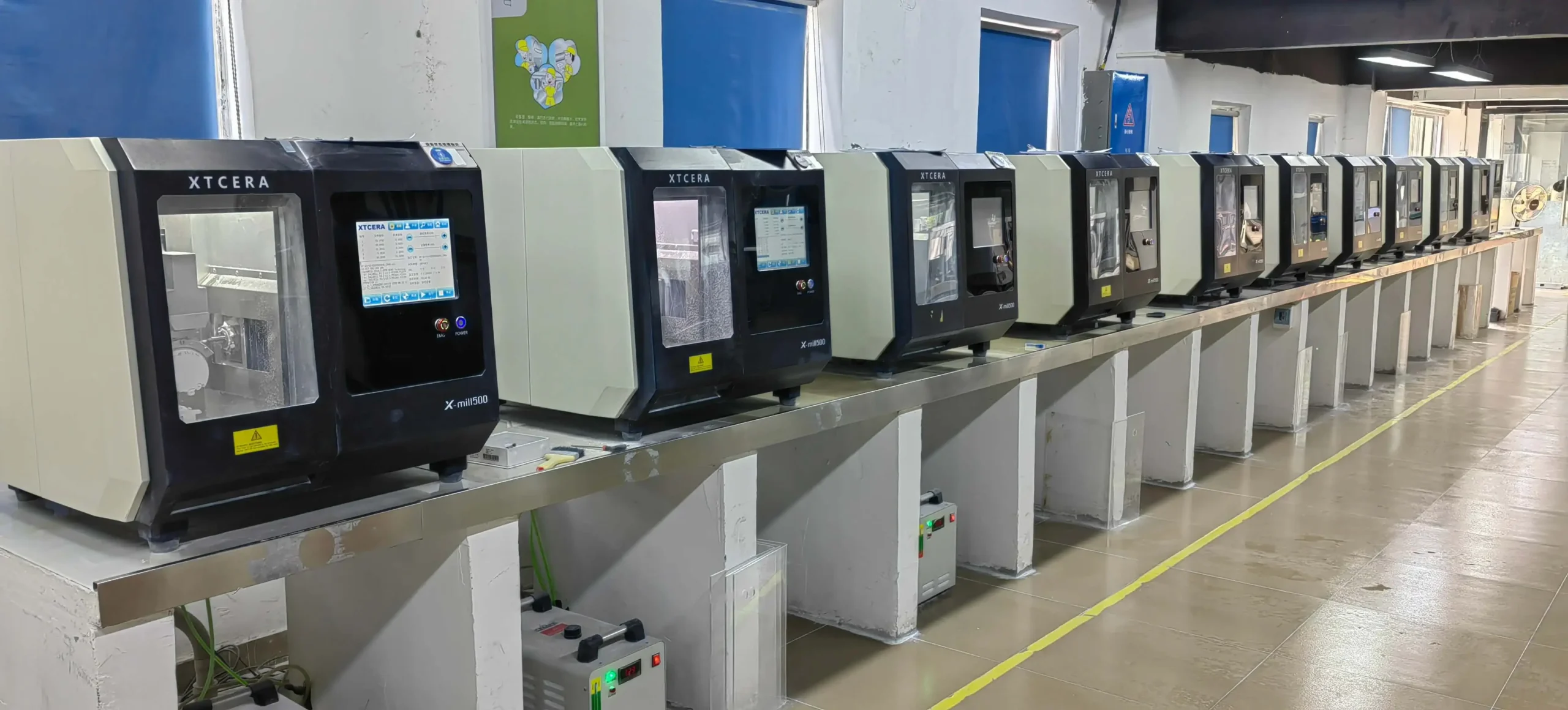
Modern production facility with dedicated zones for each restoration type
150,000+
Annual restoration capacity with room to scale your volume
130+ Technicians
Experienced artisans with specialized training in digital workflows


390+
Global Partners
Digital Dental Lab
From digital impressions to final delivery, every step is optimized for accuracy, speed, and seamless communication with your team.

Quality and Reputation You Can Trust
We understand you can't compromise on safety or compliance. That's why we maintain the same rigorous standards you'd expect from any local lab.
ISO 13485
Medical Device QMS
FDA Approved
US Market Ready
CE Marking
EU Compliant
Material Testing
Biocompatible
Start a No-Risk Trial Case
Experience Raytops quality with special trial benefits designed for your success
🎯 Your Trial Includes:
Test our quality at reduced cost
Zero risk on your trial case
Personal support throughout
Fast delivery for trial cases
Start Your Trial Case
Fill in the form below and our team will contact you shortly
Complete Your Treatment Plan
Explore complementary products to enhance patient outcomes and practice efficiency

Multilayer Zirconia

Super Translucent Zirconia
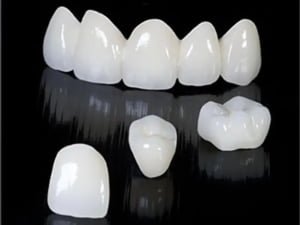
Standard Zirconia
Why Labs Choose Raytops
Partner with us to reduce costs, improve turnaround times, and enhance your competitive advantage.