Specialist
support
Extend your CAD expertise.
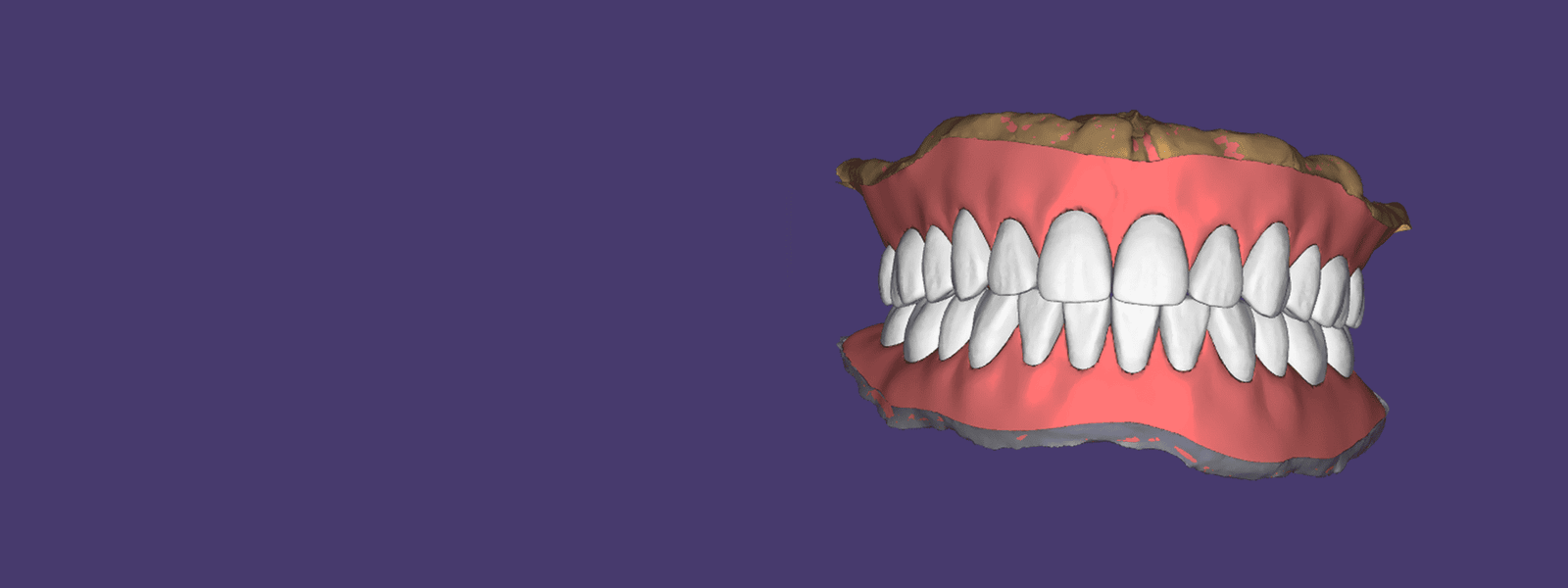
Fabrication-ready full denture design for dental labs and clinics, covering digital tooth setup, denture base design, try-in revisions, and final CAD files tailored to your production workflow.
✅ 12–24h Standard · 2–6h Rush
✅ Upper/lower complete dentures
✅ Tooth setup, denture base & try-in revisions
✅ Fabrication-ready STL + applicable files
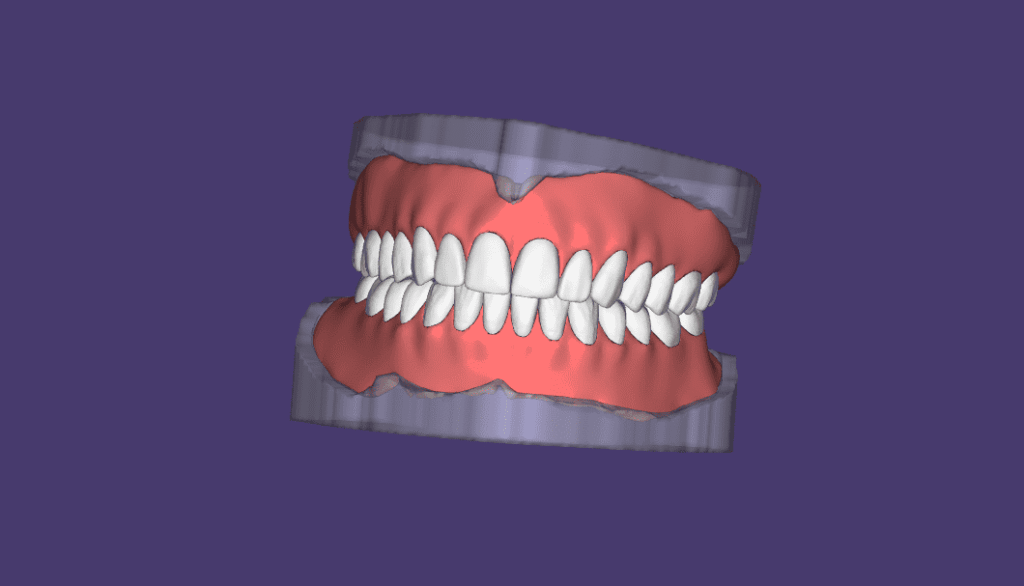
Raytops provides complete denture CAD design outsourcing services for dental labs and clinics using both exocad and 3Shape.
We support conventional removable complete dentures, from single-arch and upper/lower cases to initial tooth setup, denture base design, try-in revisions, and final CAD file preparation. Each design follows the supplied clinical records, prescribed esthetic and occlusal requirements, and intended manufacturing workflow, helping labs reduce in-house design workload while maintaining control over approval and production.
WHAT THIS MEANS FOR YOUR LAB
Extend your CAD expertise.
Support your design workload.
Match outsourcing to demand.
Add capacity, not headcount.
START WITH ONE CASE
Let’s agree on scope, turnaround and pricing before your trial.
FROM OUR CAD TEAM
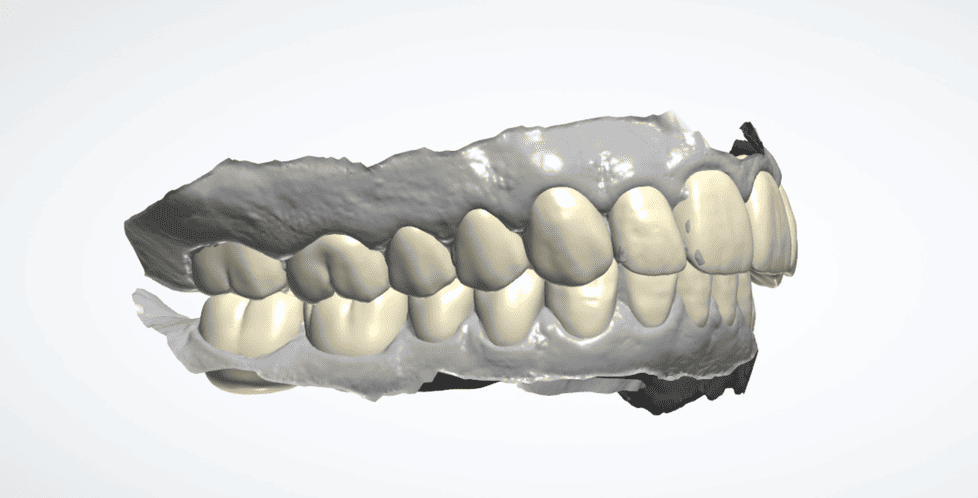
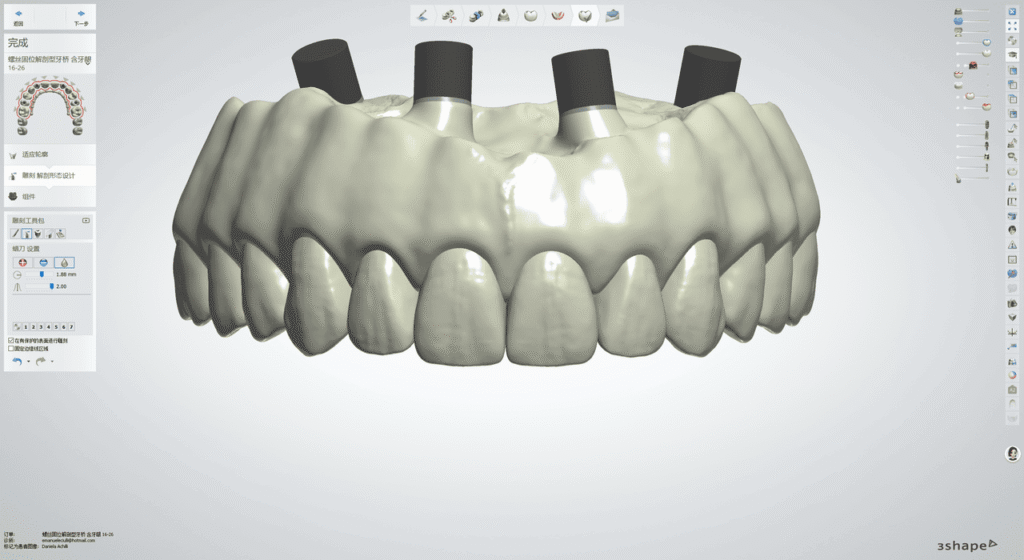
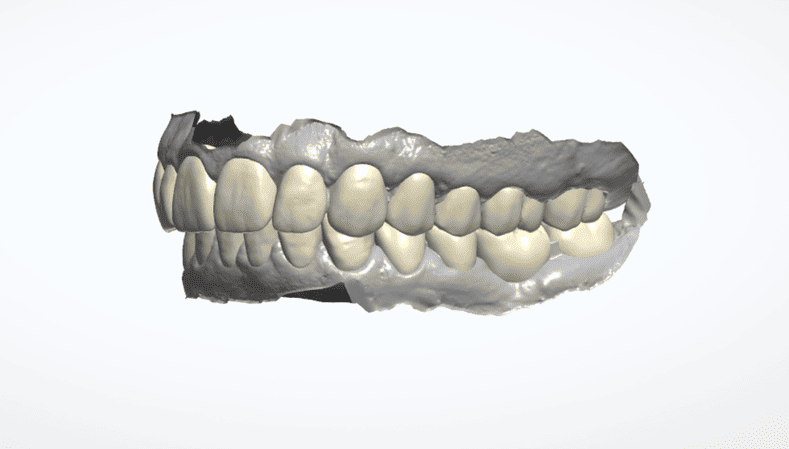
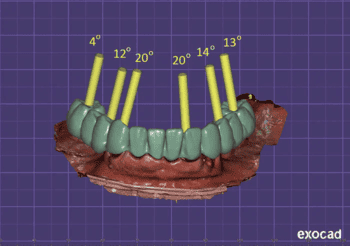
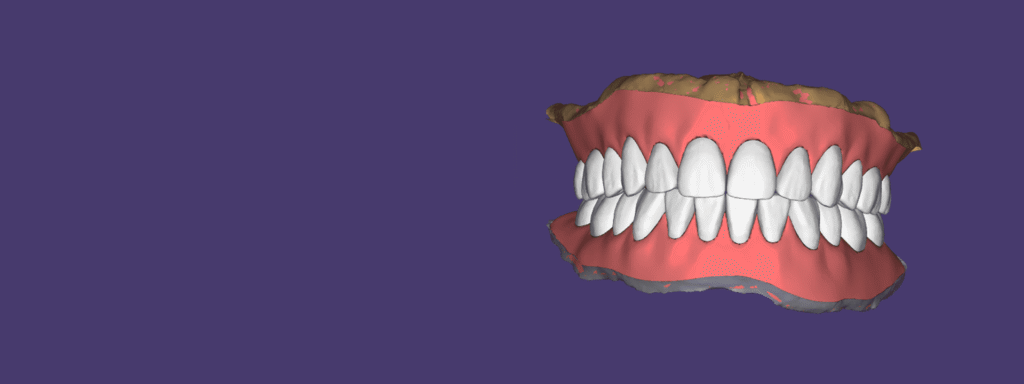
Explore a selection of dental CAD designs, from individual restorations to full-arch work. Click any image to view the design in detail.
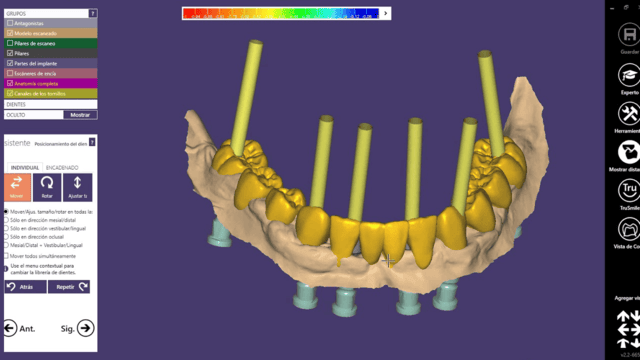
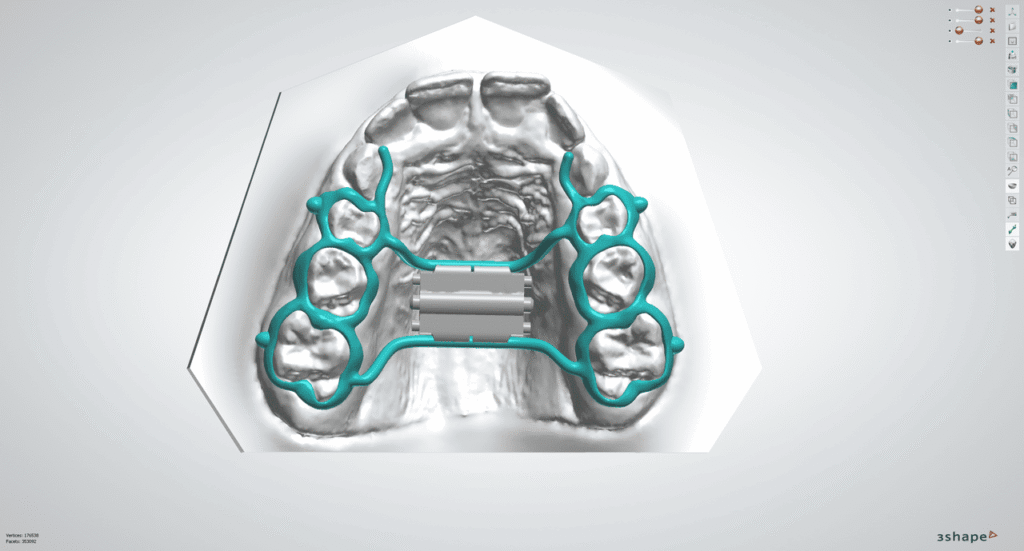
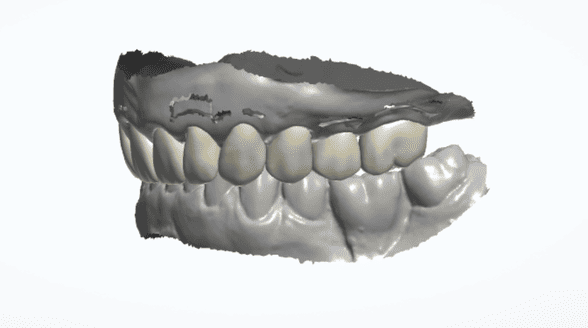
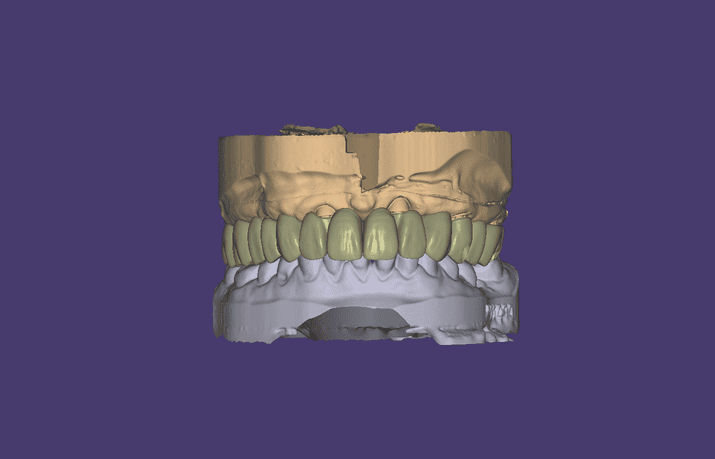
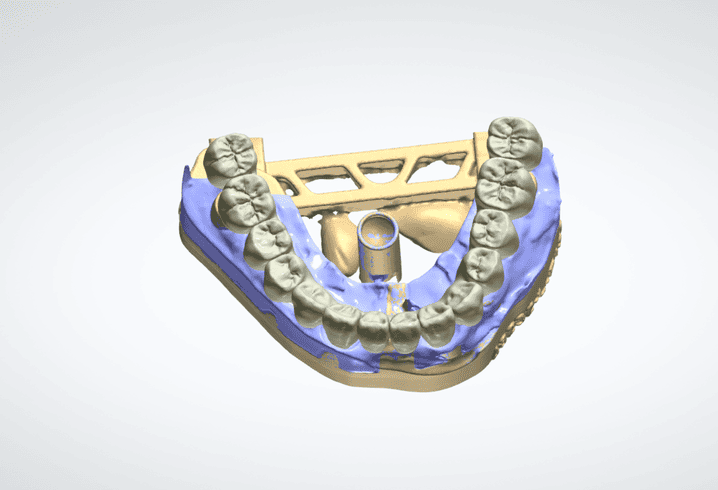
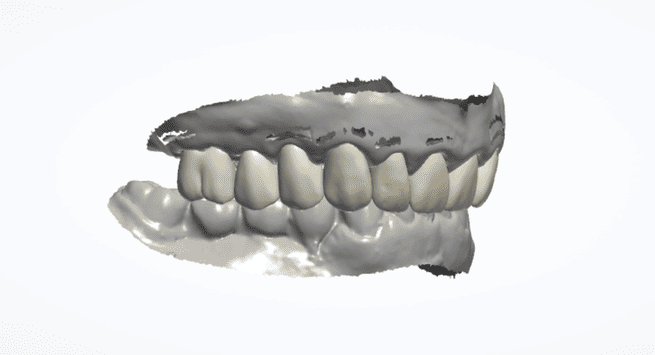
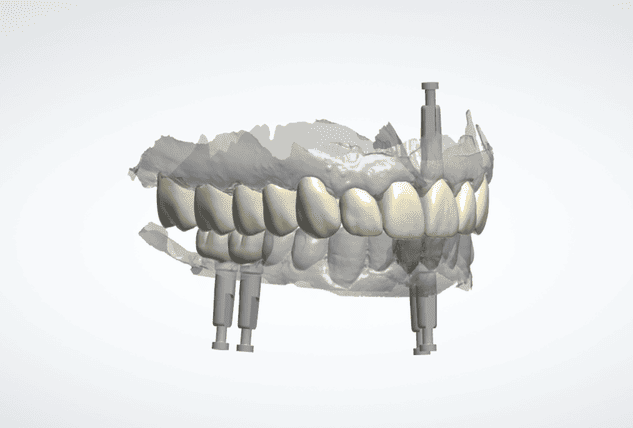
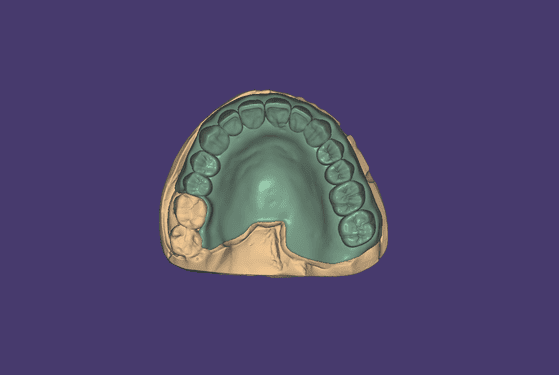
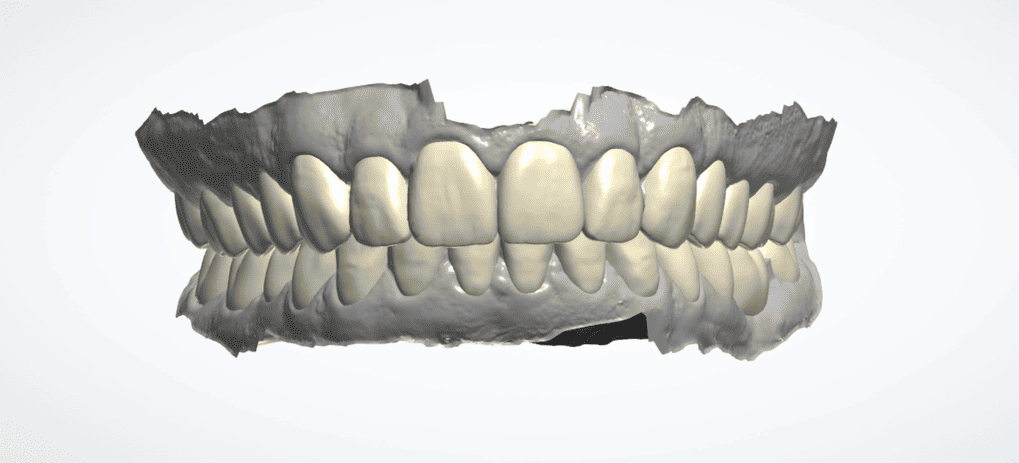
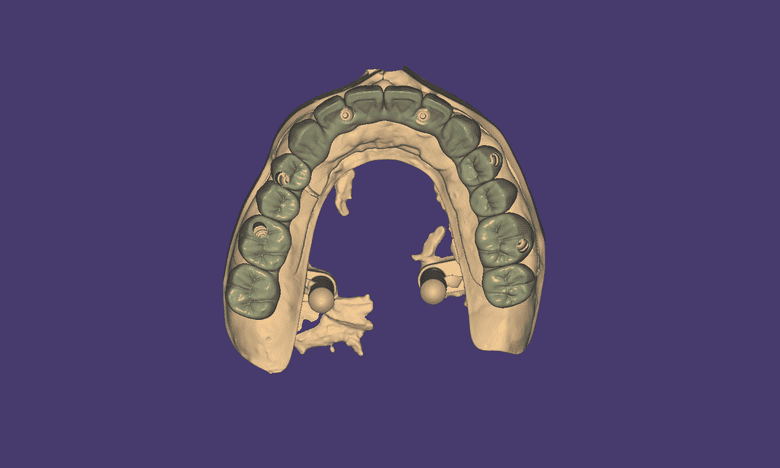
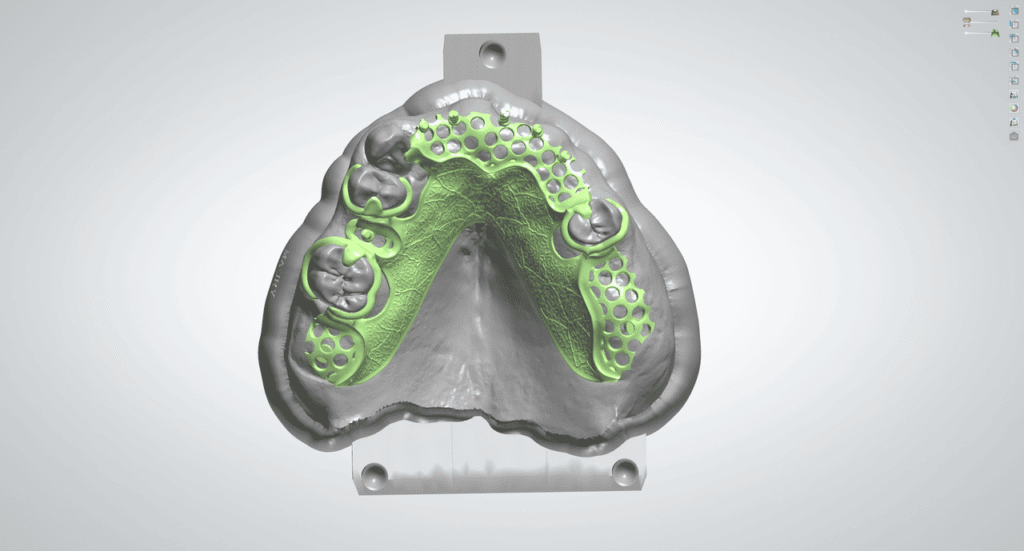
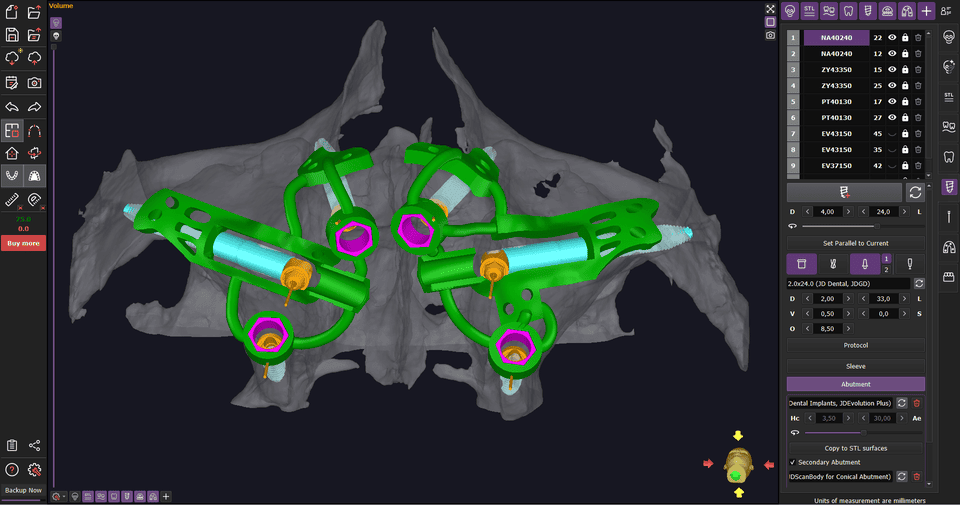
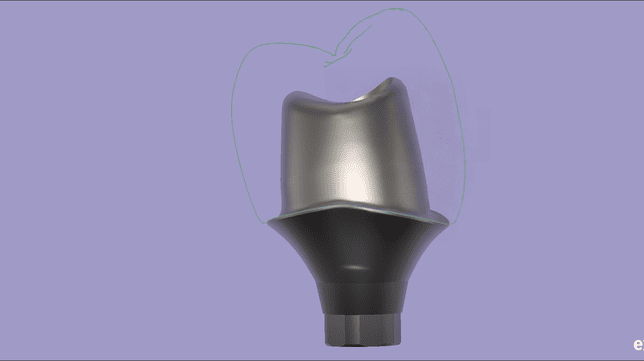
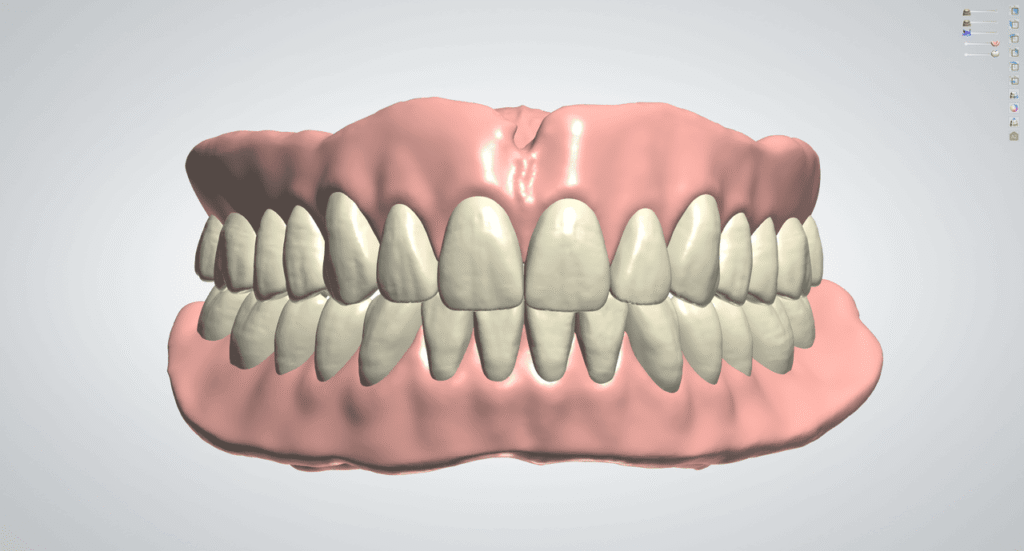
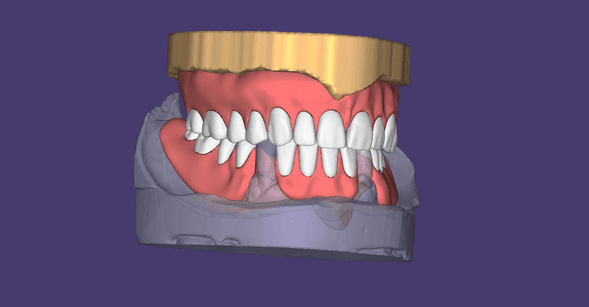
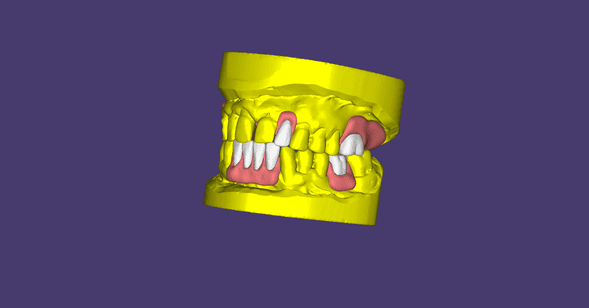
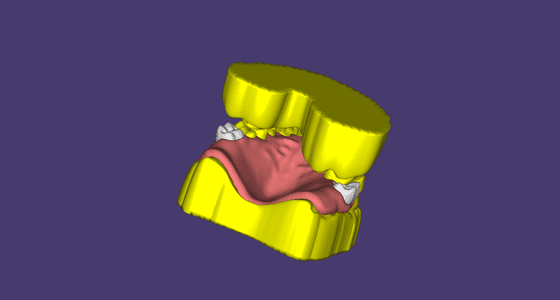
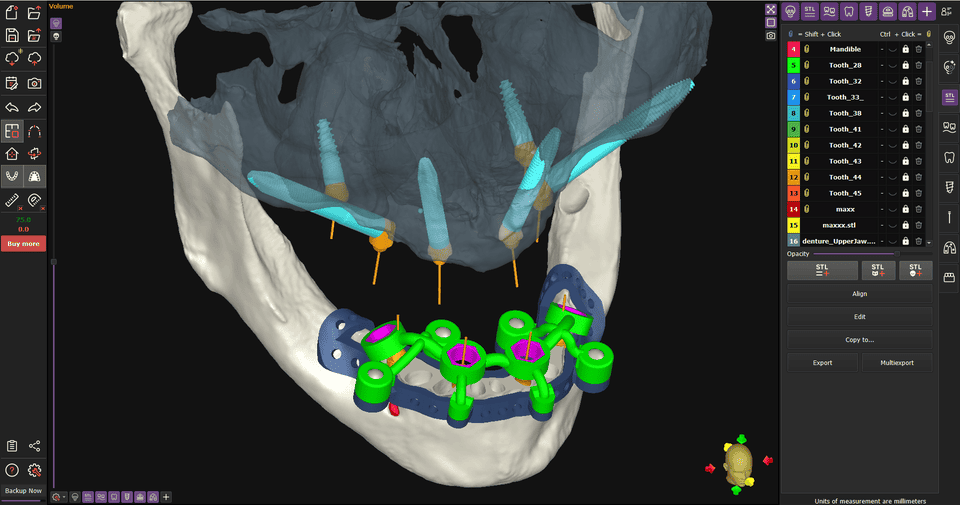
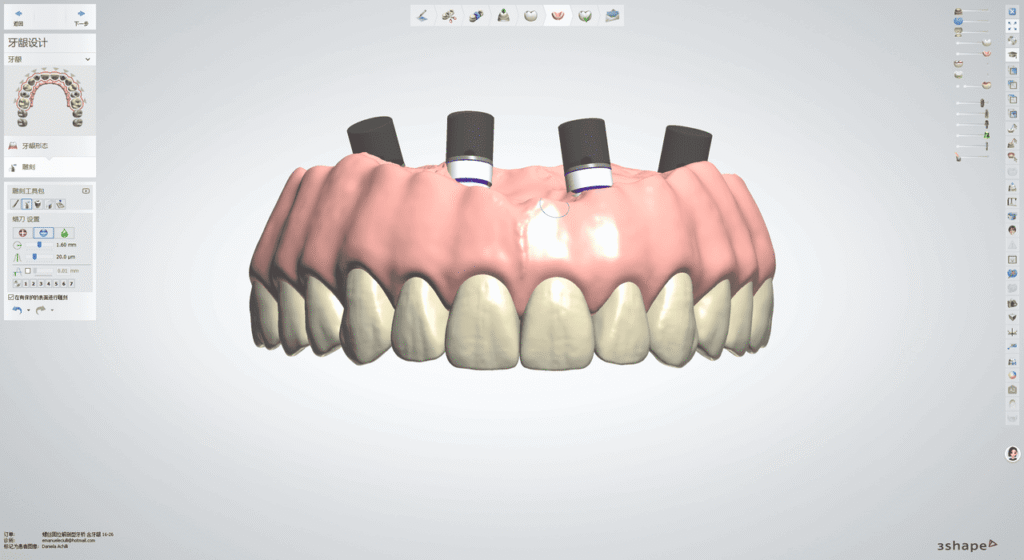
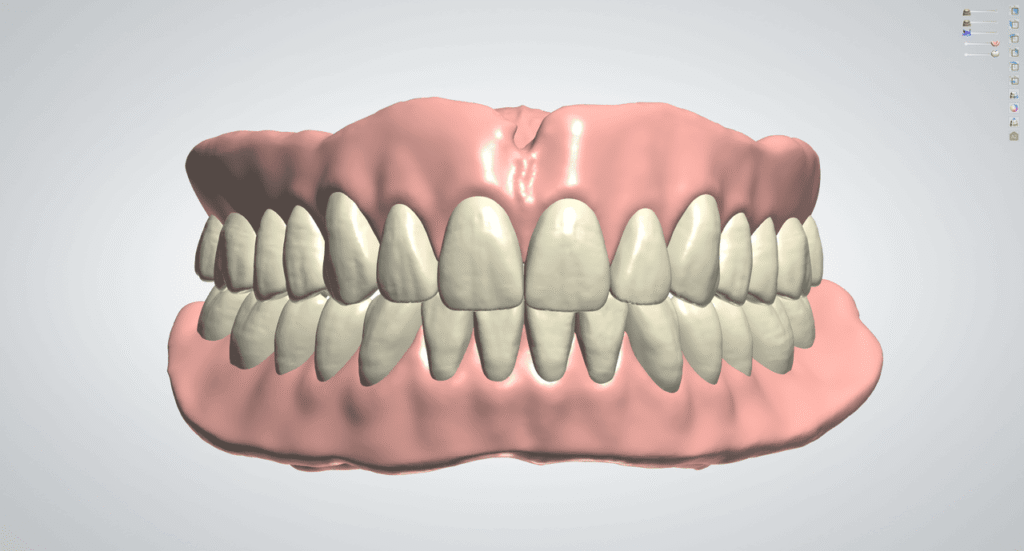
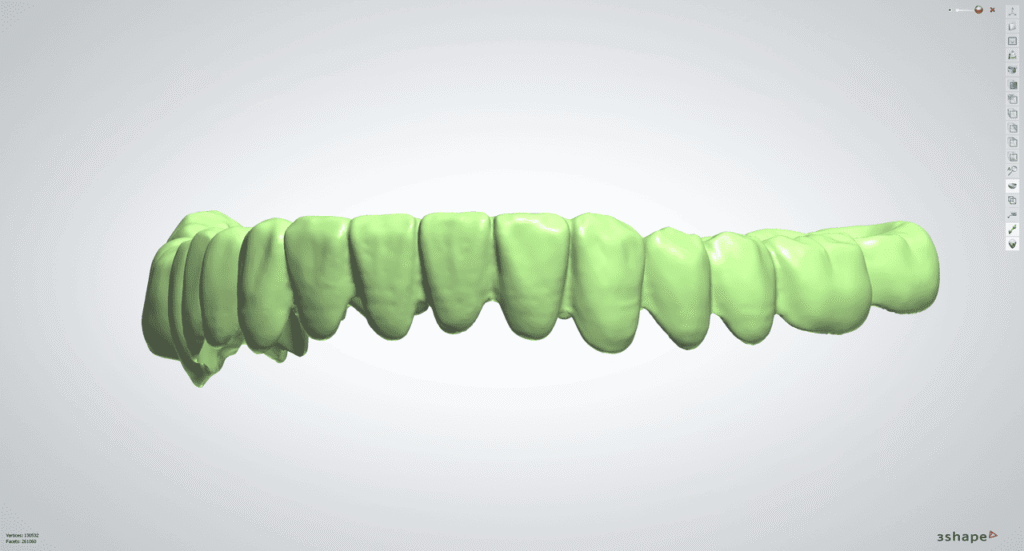
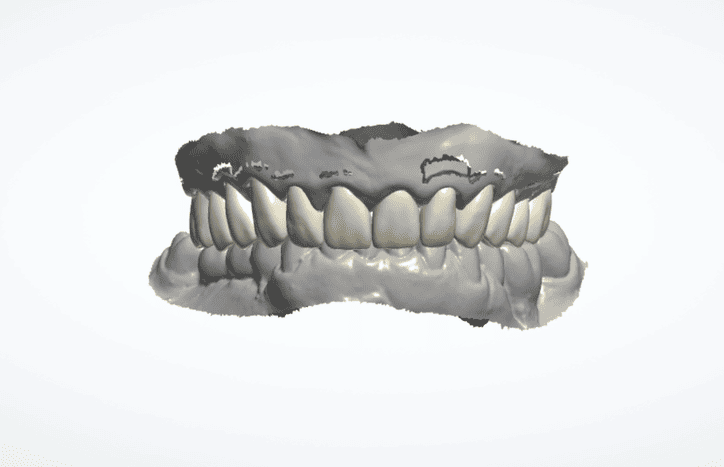
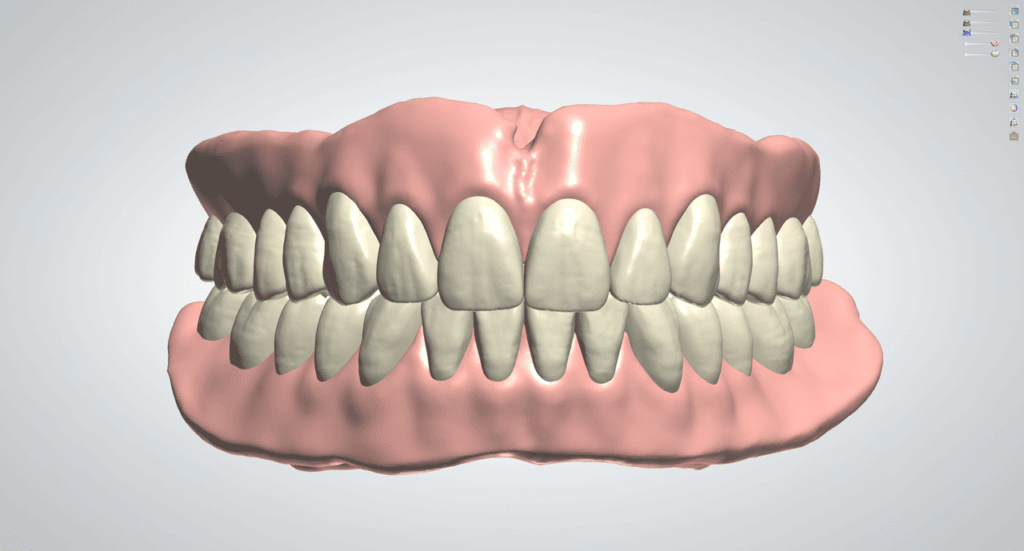
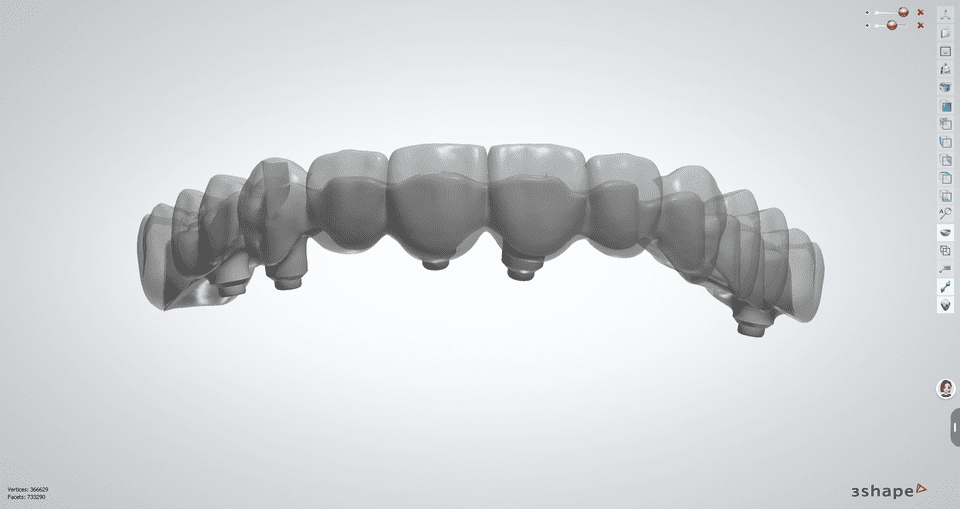
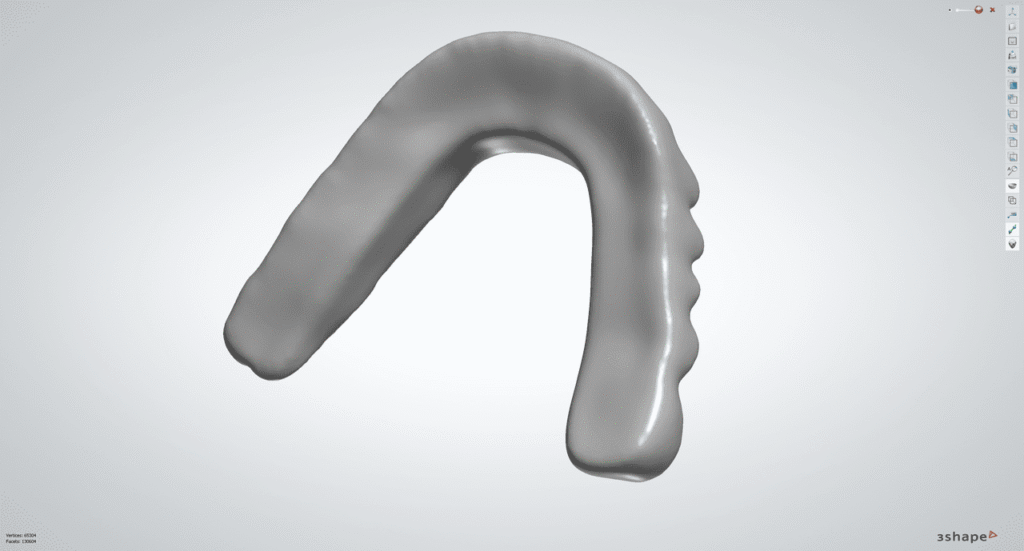
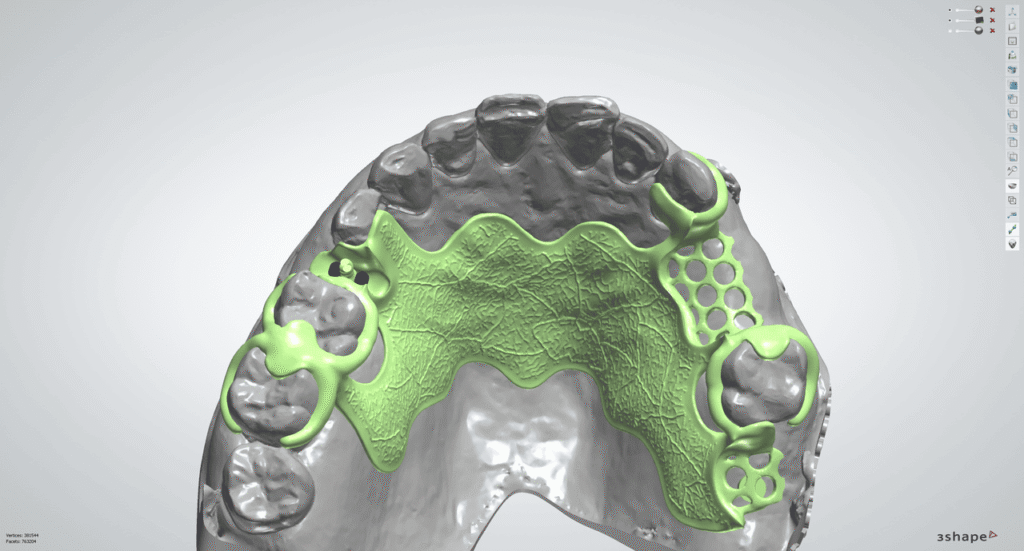
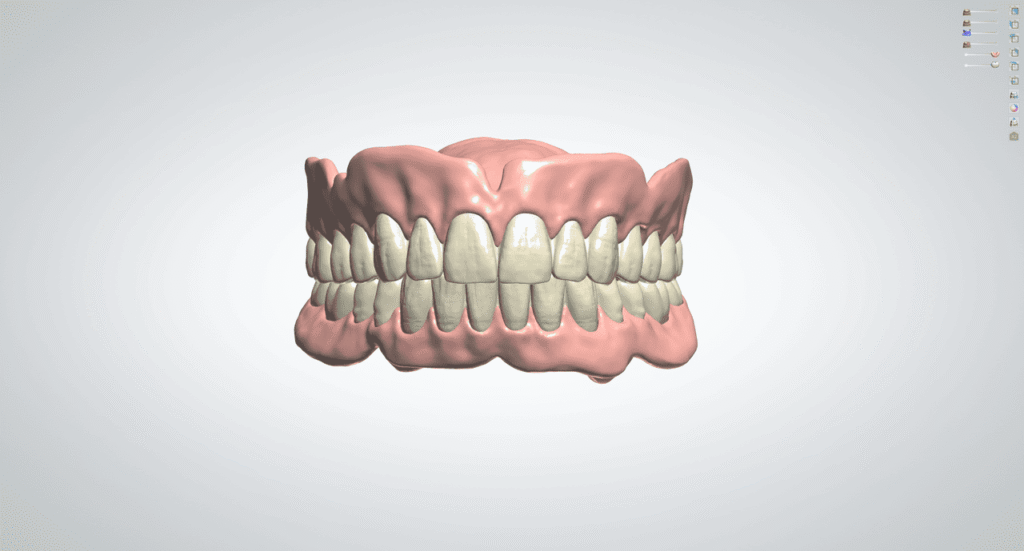
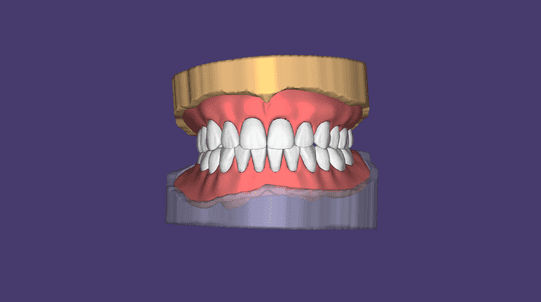
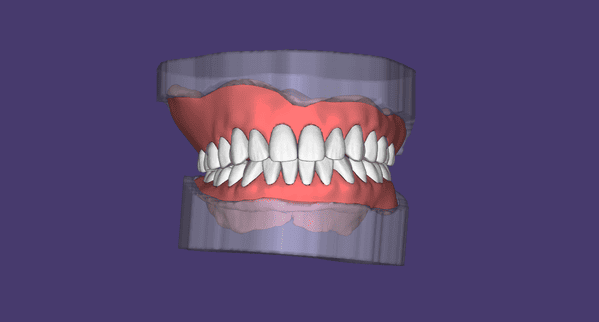
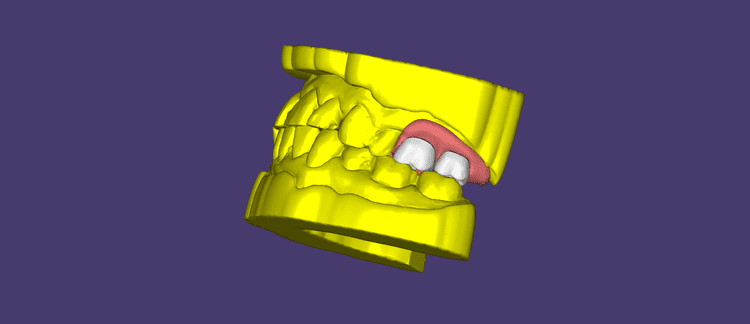
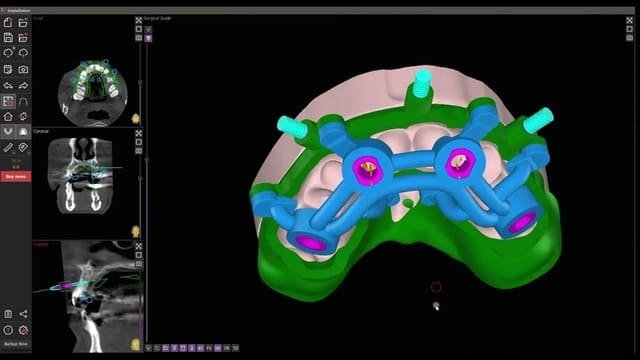
Outsource complete denture CAD design to expand capacity, reduce internal design workload, and keep production moving. From initial tooth setup to final manufacturing files, Raytops supports your existing workflow while clinical approvals and production decisions remain under your control.
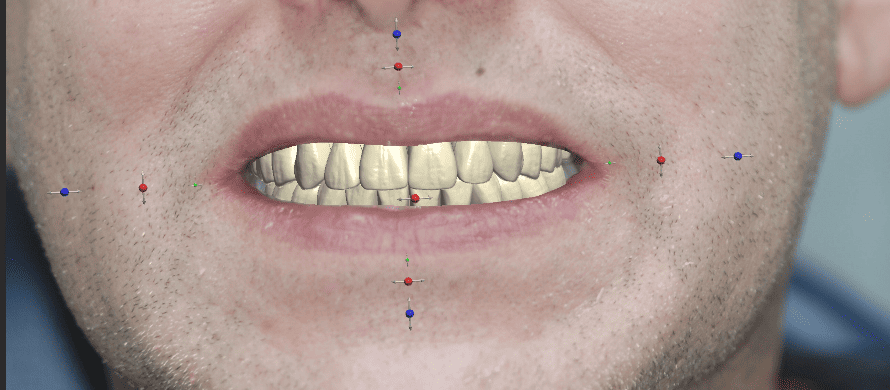
Routine CAD designs are normally completed within 24 hours, helping keep incoming denture cases moving without adding to your internal design queue.
Outsourcing tooth setup, base design, and routine CAD adjustments frees experienced technicians to focus on complex cases, fabrication, and final quality control.
Support for both exocad and 3Shape helps integrate outsourced denture design into familiar software workflows without requiring a complete change to your design system.
Receive separate teeth and base STL files prepared for the agreed workflow, reducing the need to manually separate or rebuild CAD components before production.
Establish preferred tooth arrangements, occlusal requirements, base contours, and file outputs through ongoing collaboration, reducing repeated instructions as case volume grows.
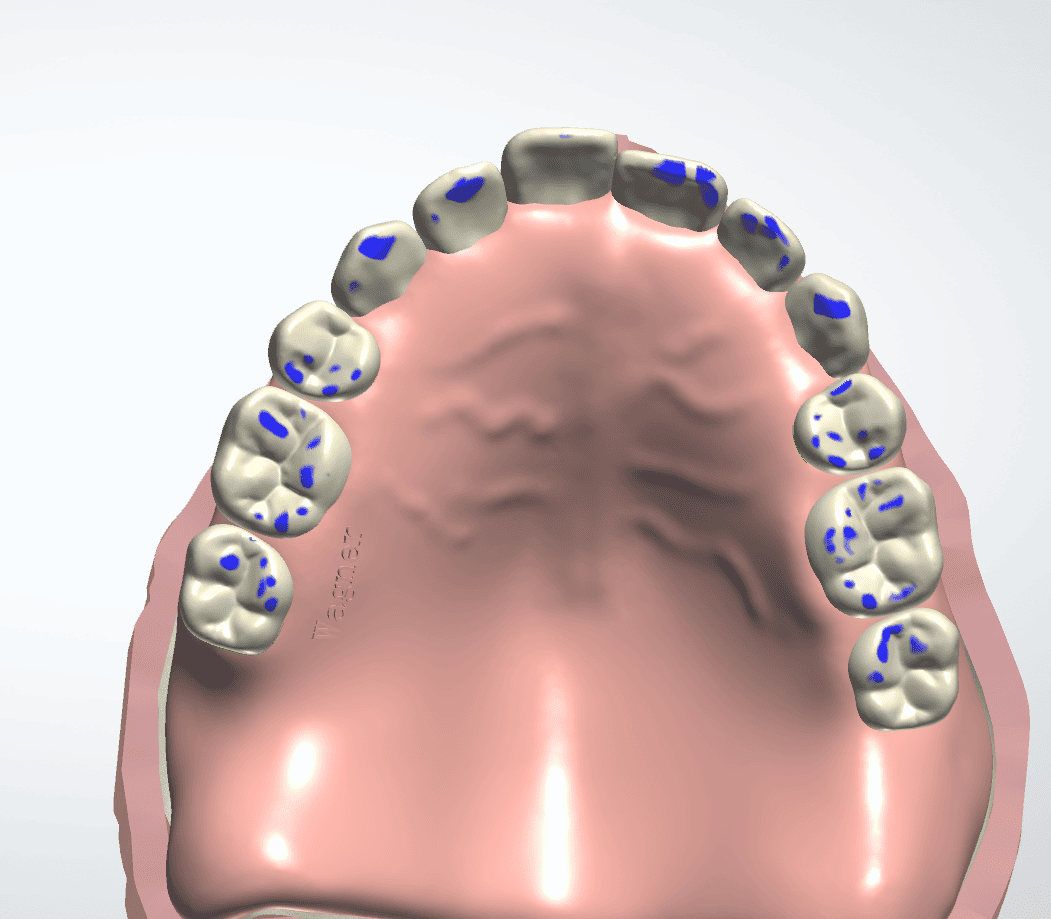
A straightforward outsourcing process for complete denture CAD design. Submit the clinical records and manufacturing requirements, receive designs for review, provide try-in feedback when needed, and approve the final files for production. Raytops supports the CAD workflow using exocad and 3Shape.
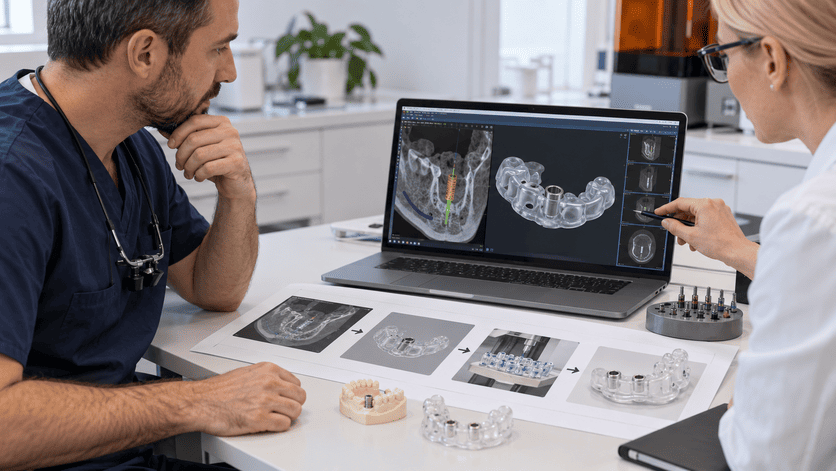
Practical answers to common professional questions about edentulous scanning, clinical records, copy dentures, digital try-ins, and 3D printing versus milling.
Intraoral scans can support digital complete denture fabrication in selected cases, but they cannot always replace conventional functional impressions. Static scans may not capture mobile soft tissues and functional border extensions needed for retention and stability. Whether additional impressions are necessary depends on the patient’s anatomy, clinical requirements, and available records.
Not always. However, the vertical dimension of occlusion (VDO), jaw relationship, and necessary esthetic references must still be clinically established. Wax rims remain a common method for recording these relationships, particularly in fully edentulous patients. Existing dentures or other validated records may provide alternatives in suitable cases. Upper and lower arch scans alone do not establish a reliable jaw relationship.
A copy denture primarily reproduces the existing denture’s established tooth positions and anatomy when these remain clinically acceptable. A reference denture uses the existing prosthesis as a starting point while allowing changes to tooth arrangement, esthetics, or other specified features. If the existing denture has an incorrect VDO, poor fit, or unsuitable occlusion, additional clinical records may be needed before redesign.
Current clinical evidence does not establish an overall superiority of either method. A 2026 systematic review and meta-analysis of 25 randomized trials found no clear advantage in patient-important outcomes, although some differences in mechanical complications, esthetics, and processing time were reported. Material selection, clinical conditions, production requirements, and cost should guide the choice.
A physical try-in remains valuable, particularly for new dentures or cases with uncertain jaw relationships or esthetic requirements. Digital previews can evaluate tooth arrangement and simulated occlusion, but cannot fully verify lip support, phonetics, or actual clinical function. A systematic review of 39 studies recommended retaining trial denture placement to help optimize the final restoration. The need for a try-in depends on the individual case.
Monoblock dentures combine teeth and base into one manufacturing structure. Separate teeth-and-base workflows produce distinct components that require appropriate tooth pockets, assembly clearances, and bonding procedures. The choice affects materials, CAD outputs, and manufacturing steps. Some tooth libraries also restrict individual tooth STL exports, so separate component availability depends on the specific software and library configuration.
Before outsourcing complete denture CAD design, a lab should confirm which design stages are being transferred, whether the clinical records are sufficient, and whether the final files are compatible with its manufacturing workflow.
Design quality, try-in revisions, and trial cases should be evaluated against these requirements—not simply by how the tooth setup looks on screen.
Complete denture CAD outsourcing can cover tooth setup, denture base design, try-in revisions, and final manufacturing files. Labs can outsource individual stages or the complete design process.
The scope should clearly define the starting point, approval requirements, revision responsibilities, and final deliverables.
Initial CAD work involves tooth arrangement and denture base design based on supplied clinical records. The output may be a digital design for review or files for producing a physical try-in.
After clinical feedback and approval, revisions are incorporated and final files prepared for the selected manufacturing method, such as monoblock or separate teeth-and-base production.
A design for review, a try-in design, and manufacturing-ready files are different deliverables. The required stage should be agreed upon before work begins.
A new complete denture requires tooth arrangement and base design based on established clinical records.
A copy denture preserves clinically acceptable features of an existing prosthesis, while a reference denture allows specified modifications. Worn teeth, incorrect occlusion, or poor fit should not be reproduced without clinical assessment.
When tooth setup has already been approved, outsourcing may begin with base completion or final file preparation without repeating the initial design.
The clinical team establishes and verifies jaw relationships, tissue records, and esthetic requirements, and approves clinical changes. The CAD provider translates these records into the digital design, while the receiving lab confirms manufacturing compatibility.
CAD cannot compensate for missing or incorrect clinical records. Changes to the underlying clinical conditions may require reassessment of the affected design before final approval.
Reliable complete denture CAD design requires accurate tissue anatomy, verified jaw relationships, and sufficient tooth positioning and esthetic references.
The required records depend on the case type and design stage. Complete scan files alone do not necessarily provide all the clinical information needed.
Upper and lower edentulous scans capture anatomical geometry but do not independently establish the correct vertical dimension of occlusion (VDO) or centric relation.
A clinically verified bite registration, obtained through occlusion rims, an existing denture, or another appropriate method, is needed to establish the intended jaw relationship.
If the recorded relationship is incorrect, adjusting digital occlusal contacts cannot resolve the underlying problem. A corrected clinical record is required.
Jaw relation and VDO determine the spatial relationship and available space for tooth arrangement. Additional references are needed to establish:
Marked bite rims, clinical photographs, existing dentures, and approved try-in records can provide these references.
Changes to the established jaw relationship or VDO may require reassessment of the existing tooth setup.
Intraoral scans capture tissue geometry but may not adequately record functional borders, particularly around the vestibular sulcus, posterior palatal region, and sublingual tissues.
A 2025 scoping review identified limitations in recording functional soft-tissue movement with digital optical impressions.
The required correction depends on the problem:
CAD cannot reliably reconstruct anatomical or functional information that was never recorded.
An existing denture can provide references for tooth arrangement, arch form, incisal position, occlusal plane, and denture contours.
Clinically acceptable characteristics can be preserved through appropriate denture scans and bite records, reducing unnecessary redesign.
However, poor tissue adaptation, worn teeth, or incorrect jaw relationships should not be reproduced without clinical reassessment.
The goal is to reuse reliable clinical information, not automatically duplicate the existing prosthesis.
Complete denture CAD quality should be evaluated against approved clinical records, tooth arrangement, occlusal requirements, and denture base specifications.
Before production, the review must distinguish correctable CAD errors from issues requiring additional clinical verification.
Tooth arrangement should be checked against the supplied clinical references rather than visual symmetry alone.
Key verification points include:
The 2025 expert consensus on digital complete dentures emphasizes anatomical landmarks, facial references, and accurate jaw relation transfer in digital tooth arrangement.
Virtual occlusal contacts depend on the recorded jaw relationship, VDO, and articulator settings. Even well-balanced digital contacts cannot guarantee stability on tissue-supported denture bases.
CAD verification should confirm:
Digital verification can identify design discrepancies, but actual functional stability may require clinical try-in assessment.
Denture base verification should cover intaglio surfaces, border extensions, relief areas, external contours, and material-specific thickness requirements.
Different problems require different actions:
For example, Formlabs’ digital denture guide specifies base design requirements for its particular resin workflow.
Final approval should be based on conformity with clinical records and manufacturing specifications. CAD discrepancies require correction, while unresolved clinical deficiencies require clarification before production.
Complete denture CAD files must match the lab’s manufacturing method, tooth library, material requirements, and output format. Successful STL import alone does not guarantee manufacturing compatibility.
These requirements should be confirmed before design begins to avoid unnecessary redesign and production problems.
Different production methods require different CAD outputs:
Changing production methods may require adjustments to tooth geometry and pocket design, not simply a different STL export.
3Shape’s Full Denture CAM documentation identifies distinct output configurations for different manufacturing workflows.
Three factors determine whether the design can be manufactured correctly:
There are no universal pocket offsets or thickness settings suitable for every production system. Formlabs’ digital denture guide provides an example of material-specific requirements.
Some tooth libraries also restrict individual tooth STL exports. Required file structures and library compatibility should therefore be confirmed before design starts.
In a complete denture project for a 3D-printing lab, the production requirements included separate STL files for the teeth and denture base, with a 0 mm tooth-pocket offset. Raytops prepared the CAD deliverables according to these specifications to meet the lab’s production requirements.
This illustrates why file structure and pocket settings must follow the receiving lab’s manufacturing workflow, rather than relying on default CAD settings.
STL contains surface geometry but does not preserve editable CAD projects, tooth library associations, or manufacturing parameters.
Some workflows require additional formats. For example, the 3Shape Ivotion workflow uses CAM5 files for its specified monolithic milling process. Editable exocad or 3Shape projects also depend on compatible software, modules, and libraries.
Before accepting final files, the lab should verify:
For an unverified manufacturing workflow, a representative production trial provides stronger evidence of compatibility than successful file import.
Complete denture CAD revisions should distinguish routine adjustments within approved clinical records from changes that require new clinical verification or redesign.
The key is to preserve valid design elements while correcting only what the updated clinical information or feedback requires.
Digital reviews can verify tooth arrangement, occlusion, and denture base geometry against supplied records. However, clinical try-ins may be needed to assess:
Not every case requires the same try-in process. The need depends on the clinical records, case type, and proposed changes.
During an initial Raytops complete denture trial, the receiving lab reported concerns about denture borders, tooth display, and vertical dimension of occlusion (VDO).
These issues require different responses: border and tooth-position adjustments must follow clinical references, while a VDO concern requires clinical verification before changes to the jaw relationship or occlusion are finalized.
When the approved clinical records remain valid, routine changes to tooth position, inclination, rotation, incisal edges, and occlusal contacts can generally be made within the existing design.
Revision instructions should identify the affected teeth, required changes, and relevant references, preferably with annotated images or documented try-in feedback.
Previously approved elements should remain unchanged unless the requested adjustment affects them. Significant changes to lip support, tooth positioning, or occlusion may require additional clinical confirmation.
Updated clinical records may affect the foundation of the existing design:
Not every updated record requires a complete redesign. Only the affected design elements need reassessment, provided the remaining approved conditions are still valid.
Final manufacturing files must reflect the latest approved clinical records and accepted revisions.
A complete denture CAD outsourcing partner should be evaluated through representative trial cases, actual manufacturing results, and consistency across repeat orders.
The goal is to determine whether outsourcing meets the lab’s quality and production requirements while reducing its internal workload.
Trial cases should represent the lab’s actual workload and production methods.
Depending on the intended outsourcing scope, suitable cases include:
Each case should include the necessary clinical records, design instructions, manufacturing requirements, and acceptance criteria.
Representative cases are more useful than specially prepared demonstration designs.
A design that passes digital review should also be validated in the lab’s intended production workflow.
Verification should confirm:
When problems occur, distinguish CAD design errors from clinical record deficiencies or manufacturing issues.
A trial is successful when the delivered design meets the agreed requirements and works in actual production—not merely when the files open correctly.
Long-term reliability cannot be established from a single successful case. Repeat orders should demonstrate:
The actual cost of outsourcing includes not only CAD fees but also the time and resources spent on checking, revisions, and production corrections.
If trial cases meet quality and manufacturing requirements, and subsequent orders demonstrate consistency with an acceptable management workload, the lab can progressively increase outsourcing volume.
The value of complete denture CAD outsourcing lies in reliable design quality, manufacturing compatibility, and reduced internal workload—not simply an attractive digital setup or a low CAD fee.
For labs considering Raytops, a representative trial case with clear clinical instructions and manufacturing requirements provides a practical way to evaluate compatibility before establishing regular cooperation.
Send us your requirements and our technical team will reply with a practical recommendation.