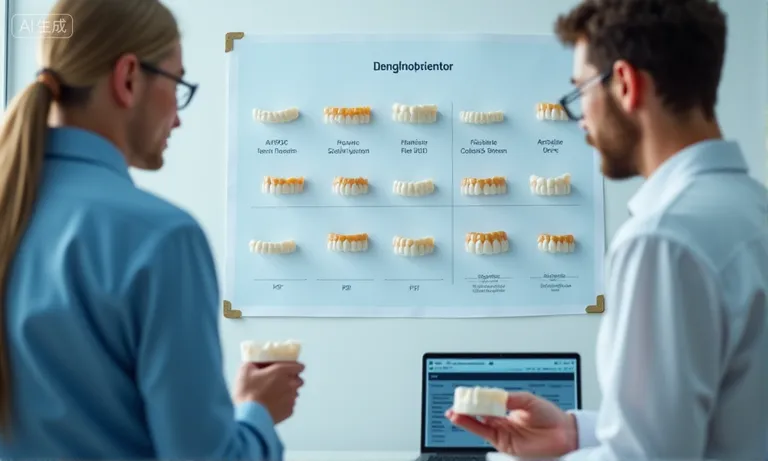
Building successful partnerships with 3D printing dental labs is no longer just about outsourcing production—it is about creating a strategic advantage. With the shift toward digital dentistry, these labs enable clinics and DSOs to accelerate workflows, ensure accuracy, and deliver consistent outcomes at scale. Understanding the key factors that define strong collaboration helps procurement teams reduce risks and capture long-term value.
Successful partnerships are shaped by several essential dimensions:
- Quality & Consistency: predictable outcomes supported by low remake rates and robust QA standards.
- Efficiency & Turnaround: reliable timelines that keep clinic schedules on track and reduce hidden costs.
- Digital Alignment: interoperability with intraoral scanners and CAD/CAM systems to eliminate errors.
- Communication & Collaboration: proactive issue resolution and a shared culture of partnership.
- Training & Expertise: skilled technicians and continuous education as signals of readiness.
- Organizational Readiness: adequate resources and management support to sustain advanced 3D printing operations.
By aligning on these factors, clinics and DSOs can secure partnerships that deliver not just technical capability but also measurable ROI, supply chain stability, and confidence in scaling implant restorations. Evaluating these dimensions enables procurement leaders to identify dental labs that meet today’s needs while future-proofing operations for tomorrow.
Why Are Partnerships with 3D Printing Dental Labs a Strategic Advantage?
Partnerships with 3D printing dental labs are not just vendor agreements—they are strategic levers for clinics, DSOs, and procurement teams to stay competitive. By leveraging digital manufacturing, clinics gain faster turnaround, higher precision, and scalable support, while procurement benefits from more predictable costs and stronger supply chain resilience.

Dental-lab-strategic-advantage-3d-printing
How does digital manufacturing provide clinics and DSOs with a market edge?
Digital workflows powered by 3D printing enable clinics to shorten implant cycles from weeks to days. This advantage translates into more treatment capacity and the ability to meet growing patient demand without adding chair time. DSOs, in particular, gain a market edge by offering standardized, predictable implant outcomes across multiple locations, differentiating themselves in competitive urban markets.
What industry trends are driving the adoption of 3D printing in dental supply chains?
- Rising implant demand: Global implant procedures are growing at double-digit rates annually, making efficient supply critical.
- Shift to digital-first: Clinics and labs are rapidly adopting intraoral scanners and CAD/CAM systems to replace traditional impressions.
- Procurement pressure: Decision-makers are seeking partners who can deliver both scalability and cost control.
These trends reinforce why 3D printing labs are not just optional vendors but central to modern supply chain strategies.
Why do procurement teams view 3D printing labs as long-term strategic partners?
Procurement managers value predictability as much as cost savings. 3D printing labs demonstrate lower remake rates, faster turnaround, and consistent outputs that reduce operational risks. This reliability, when proven across multiple cases, positions the lab as a strategic partner rather than a transactional supplier. Long-term collaboration is built on performance data that shows consistent ROI.
3D printing partnerships provide clinics with speed and precision while giving procurement teams stability and scalability. As an overseas partner, Raytops Dental Lab positions itself within this framework—not as a one-off vendor but as a collaborator capable of aligning with long-term strategic objectives.
How Does Quality and Consistency Build Trust in Lab Partnerships?
For procurement teams, quality and consistency are the ultimate signals of reliability. A lab’s ability to keep remake rates low, adhere to standardized QA processes, and work with advanced materials is what turns transactional suppliers into trusted long-term partners.

Dental-lab-quality-consistency-qa
Why is a low remake rate a signal of reliability for procurement teams?
| Metric | Traditional Casting | 3D Printing Lab | Strategic Impact |
|---|---|---|---|
| Average remake rate | 10–15% | 3–5% | Predictable outcomes reduce procurement risk |
| Turnaround disruptions | Frequent | Rare | Clinics avoid scheduling bottlenecks |
| Procurement confidence | Moderate | High | Performance data builds trust in supplier |
A consistently low remake rate translates directly into lower costs, fewer delays, and higher confidence in the lab’s reliability. For procurement, this is one of the clearest performance metrics to justify long-term collaboration.
How do standardized QA processes and certifications ensure predictable outcomes?
Standardized quality assurance is the backbone of predictable results. Labs that implement multi-stage inspections—ranging from digital file verification to post-print accuracy checks—can deliver restorations that meet consistent tolerance levels. Certifications such as ISO 13485 or FDA clearance further validate a lab’s adherence to international quality standards, providing procurement teams with assurance that outcomes will remain stable across large volumes.
What role does advanced material selection play in consistent performance?
- Biocompatibility: Certified resins and metals reduce patient risks and improve clinical acceptance.
- Durability: High-performance polymers and alloys extend prosthetic longevity, lowering replacement frequency.
- Aesthetic stability: Color-stable ceramics and hybrid composites ensure predictable appearance over time.
Together, advanced materials not only improve clinical performance but also demonstrate a lab’s commitment to consistency at scale.
For procurement teams, trust is built on numbers, processes, and materials. A 3D printing dental lab that delivers predictable outcomes at every stage—from low remake rates to certified QA—signals maturity and reliability. In this way, partners like Raytops Dental Lab strengthen their credibility as overseas collaborators who can consistently support global implant programs.
What Role Do Efficiency and Turnaround Play in Partnership Success?
Efficiency and turnaround times are not just operational details—they directly shape procurement decisions and long-term partnership success. When 3D printing reduces delivery cycles and eliminates bottlenecks, clinics gain more flexibility, and procurement teams benefit from lower hidden costs and stronger ROI.

Dental-lab-efficiency-turnaround-3d-printing
How does 3D printing accelerate delivery cycles compared to traditional workflows?
| Workflow Step | Traditional Casting | 3D Printing | Improvement |
|---|---|---|---|
| Impression transfer | Physical shipment | Digital file upload | Instant |
| Model/abutment fabrication | 7–10 days | 24–72 hours | ~70% faster |
| Multi-unit bridge framework | 2–3 weeks | 4–6 days | ~65% faster |
By digitizing the entire process, 3D printing eliminates physical shipping delays and compresses production into hours rather than weeks. This acceleration transforms turnaround time into a clear procurement advantage.
Why is turnaround time a decisive factor for clinic scheduling and case flow?
For clinics, turnaround is directly linked to chair time management. Faster delivery of crowns, abutments, and bridges reduces the number of patient visits and prevents scheduling bottlenecks. Procurement teams see this as a major factor in selecting labs: a supplier that consistently delivers within days instead of weeks allows clinics to optimize resources and improve patient throughput, which ultimately strengthens their business case for partnership.
How does efficiency translate into reduced hidden costs and improved ROI?
- Lower overhead: Fewer remakes and shorter cycles reduce technician overtime and shipping costs.
- Opportunity gains: Clinics can treat more patients with the same resources, increasing revenue potential.
- Predictable budgeting: Reduced variability in delivery cycles stabilizes financial planning for procurement.
In procurement, efficiency is not measured only in time saved—it is calculated in hidden costs avoided and ROI gained. By delivering faster, more consistent results, overseas partners like Raytops Dental Lab prove that turnaround is not just a performance metric but a foundation for sustainable collaboration.
Why Is Ecosystem Alignment & Digital Readiness Essential?
In implant dentistry, partnerships succeed when labs integrate seamlessly into the clinic’s digital ecosystem. Compatibility with scanners, CAD/CAM systems, and traceability tools reduces risks, minimizes errors, and ensures that scaling up production does not compromise quality. Procurement teams increasingly view ecosystem alignment as a marker of long-term readiness.
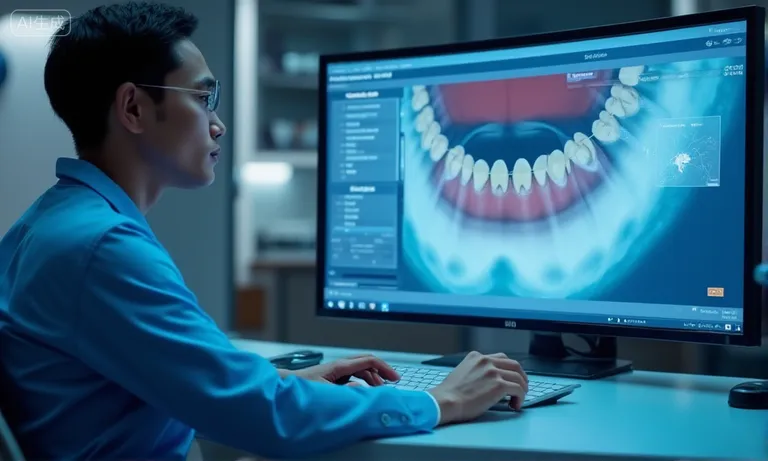
Dental-lab-digital-readiness-ecosystem
How does interoperability with intraoral scanners and CAD/CAM systems reduce errors?
Interoperability ensures that STL and CAD files can move between clinics and labs without data loss or reformatting. When intraoral scans integrate directly into a lab’s design system, the risk of mismatched margins or distorted models drops significantly. For procurement, this translates into fewer remakes and reduced case delays, making digital compatibility a critical factor in vendor evaluation.
What benefits come from a lab investing in advanced digital infrastructure?
- Scalability: High-capacity servers and integrated CAD/CAM stations allow labs to handle large volumes without bottlenecks.
- Security: Encrypted data transfer protects sensitive patient information and complies with international standards.
- Speed: Automated file processing accelerates the design-to-print cycle, reducing manual intervention.
Labs with strong digital infrastructure demonstrate not only technical maturity but also readiness to support clinics and DSOs at scale.
Why does digital traceability matter for scaling implant restorations?
A DSO in Australia adopted a centralized workflow with an overseas lab that implemented digital traceability for every implant component. Each STL file, abutment, and framework was logged with batch and material data, making it easy to track performance across hundreds of cases. When a few abutments required adjustment, the lab quickly identified root causes and adjusted design protocols. For procurement teams, this case showed how traceability not only reduces risks but also provides actionable insights to support scaling.
Ecosystem alignment and digital readiness define the future of dental lab partnerships. For clinics, it ensures fewer errors and faster case delivery. For procurement, it provides a safeguard that suppliers can scale without sacrificing consistency. Overseas partners like Raytops Dental Lab integrate digital workflows as a standard, making collaboration smoother and more predictable for global implant programs.
How Do Communication and Collaboration Strengthen Partnerships?
In cross-border implant workflows, even the most advanced technology cannot replace effective communication. Partnerships succeed when labs and clinics establish transparent, responsive, and collaborative channels. For procurement teams, this reduces uncertainty, mitigates risks, and ensures that supplier relationships scale smoothly with business growth.

Dental-lab-collaboration-communication
Why is proactive, cross-border communication key to reducing risk?
When labs provide real-time updates—whether about file issues, material availability, or expected delivery times—clinics and procurement managers can plan proactively rather than reactively. This reduces last-minute disruptions and strengthens trust. Without proactive communication, even minor file errors can cause scheduling delays, leading to hidden costs for clinics and reputational risks for labs.
How does a collaborative culture with shared goals improve business growth?
- Joint planning: Aligning on treatment volumes and delivery schedules reduces unexpected bottlenecks.
- Knowledge sharing: Exchanging technical feedback helps labs refine workflows and clinics better manage patient expectations.
- Mutual accountability: When both sides treat quality and delivery as shared goals, it fosters a culture of reliability rather than blame.
This collaborative culture transforms partnerships from transactional to strategic, creating conditions for long-term business growth.
What does responsiveness mean for procurement scalability?
A mid-sized U.S. clinic network expanded its implant program with the support of an overseas lab. The key success factor was responsiveness: every inquiry received acknowledgment within 24 hours, and urgent file corrections were resolved within the same day. This responsiveness gave procurement managers confidence to scale order volumes without fear of bottlenecks. For them, supplier responsiveness equaled scalability.
Communication and collaboration are not abstract values—they are measurable enablers of procurement success. Labs that demonstrate proactive communication, cultural alignment, and quick response times, such as Raytops Dental Lab, show procurement teams that cross-border collaboration can be both low-risk and growth-oriented.
Why Are Training and Expertise Signals of a Reliable Lab Partner?
Procurement teams evaluate not just machines or workflows, but also the expertise behind them. Skilled technicians and a culture of continuous training ensure that 3D printing delivers consistent, high-quality outcomes. Demonstrated expertise signals to clinics and DSOs that the lab is mature, adaptable, and prepared for long-term collaboration.
How do well-trained technicians ensure precise, high-quality restorations?
Skilled technicians bridge the gap between digital design and final output. Their knowledge of occlusion, implant positioning, and aesthetic detailing ensures that each abutment or framework meets clinical requirements. For procurement, this reduces remake risks and builds confidence that quality will remain consistent even as volumes scale.
Why is continuous training important for adopting new 3D printing methods?
- Technology evolution: New printers, resins, and alloys are introduced regularly, requiring updated skills.
- Process optimization: Ongoing training helps teams adopt best practices in design software and post-processing.
- Compliance: Training on ISO and FDA standards ensures adherence to international requirements.
Labs that invest in continuous training demonstrate resilience, showing procurement teams they can adapt to industry advances without disruptions.
How do labs demonstrate expertise readiness to procurement teams?
A European DSO recently evaluated multiple overseas labs for an outsourcing partnership. One lab stood out because it documented technician training programs, ISO workshops, and CAD/CAM certifications. During the trial phase, this lab achieved a 98% on-time delivery rate with fewer than 4% remakes. Procurement managers concluded that the lab’s investment in expertise directly correlated with consistent performance, making it a reliable long-term partner.
For procurement, training and expertise are not “soft factors”—they are measurable signals of reliability. Labs like Raytops Dental Lab invest in technician skills and continuous improvement, positioning themselves as partners capable of supporting global implant programs with both quality and scalability.
What Is the Organizational Readiness Behind a Successful Partnership?
Beyond technology and technician skill, the success of lab–clinic partnerships depends on organizational readiness. A lab must demonstrate resource availability, executive alignment, and business stability to prove it can sustain long-term collaboration at scale. Procurement teams see these signals as risk reducers when selecting overseas partners.

Dental-lab-organizational-readiness-global-partnership
How do resource availability and technical capacity support consistent delivery?
- Production capacity: Sufficient 3D printers and CAD/CAM stations ensure orders can be scaled without bottlenecks.
- Human resources: Dedicated teams for implant restorations prevent overload and maintain quality.
- Infrastructure resilience: Backup systems and power redundancy minimize risks of workflow disruptions.
Procurement managers value these safeguards because they directly translate into consistent delivery performance.
Why is top management support an enabler of long-term collaboration?
Leadership commitment sets the tone for partnerships. When top management prioritizes international clients, invests in digital upgrades, and enforces QA policies, it signals to procurement teams that collaboration is not just operational but strategic. This executive alignment often determines whether a lab can meet the growing demands of multinational DSOs.
How does organizational stability reduce procurement risk in global partnerships?
A Canadian distributor once partnered with a smaller lab that lacked financial stability. Midway through expansion, the lab could not maintain capacity, forcing procurement managers to restart vendor evaluation. By contrast, when the distributor engaged a larger overseas lab with stable finances, clear management structures, and contingency planning, the collaboration scaled successfully across three regions. This case highlighted that organizational stability is as critical as technical expertise in reducing procurement risks.
Organizational readiness is often the hidden factor behind partnership success. It reassures procurement teams that their supplier can grow alongside them without unexpected interruptions. Overseas partners like Raytops Dental Lab integrate both capacity and stability into their operating model, signaling to clinics and DSOs that collaboration is built for the long term.
What Is the Long-Term Business Value of Partnering with 3D Printing Labs?
Partnerships with 3D printing labs deliver more than short-term efficiency—they create lasting business value. Procurement teams look at ROI, scalability, and strategic alignment as evidence that such collaborations can strengthen supply chains and future-proof clinic operations.
Dental-lab-long-term-business-value
How do proven ROI and efficiency gains justify procurement investment?
- Lower remake costs: Reduced error rates translate into fewer adjustments and warranty claims.
- Optimized resources: Faster delivery and automation free both clinics and labs from manual bottlenecks.
- Financial predictability: Stable cost structures improve budgeting confidence for procurement teams.
These measurable efficiency gains form the financial case for sustained investment in 3D printing partnerships.
Why do successful case outcomes build trust in scaling partnerships?
Case data matters more than promises. When labs can show documented reductions in turnaround time or consistency in remake rates, procurement managers gain confidence that scaling orders will not dilute quality. Each successful case reinforces trust and creates a feedback loop: better performance encourages larger collaborations, which in turn unlocks economies of scale for both partners.
How does strategic collaboration future-proof clinic and DSO operations?
A DSO in Europe partnered with an overseas 3D printing lab to standardize implant restorations across 25 clinics. By aligning on digital workflows, file compatibility, and QA checkpoints, the group reduced overall turnaround times by 60% and stabilized costs across regions. More importantly, this strategic alignment gave the DSO confidence that its supply chain could expand without additional risk—a clear example of how collaboration future-proofs operations.
Long-term business value is defined by more than immediate savings; it lies in sustained ROI, stronger supplier confidence, and future-ready operations. As overseas partners, Raytops Dental Lab supports procurement teams by embedding scalability and predictability into implant workflows, helping clinics and DSOs build partnerships that last.
Conclusion
Building successful partnerships with 3D printing dental labs goes beyond adopting new technology—it is about creating reliable, scalable, and future-ready workflows. Proven gains in precision, efficiency, and cost control demonstrate why procurement teams view these labs as strategic collaborators rather than transactional vendors. By aligning on quality standards, digital compatibility, and responsive communication, clinics and DSOs reduce risks while unlocking long-term value. As an overseas dental lab, Raytops Dental Lab supports this shift by integrating advanced digital processes with organizational readiness, helping partners achieve consistent results and sustainable growth in implant restorations.