When evaluating dental labs for implant cases, choosing a partner with 3D printing capabilities can be decisive. The true value lies not in the equipment itself but in how a digital workflow delivers faster turnaround, fewer errors, and more predictable results.
Speed matters because digital files remove shipping delays and manual bottlenecks, reducing delivery from weeks to days. Precision matters because validated CAD designs and micron-level accuracy lower remake rates and save valuable chairside time. Collaboration improves as digital files ensure scanner compatibility and real-time approvals. Quality control strengthens through verifiable, traceable production that guarantees consistent outcomes.
Cost transparency is also enhanced: automated steps cut hidden labor and material waste, giving clients stable, predictable budgets. Most importantly, working with a 3D printing-enabled lab such as Raytops Dental Lab means partnering with an overseas dental lab that can scale with your needs, maintain communication clarity, and deliver efficiency gains case after case.
Key reasons to choose a 3D printing dental lab for implant cases include:
- Faster turnaround with fewer delays
- Lower remake rates through digital precision
- Seamless file-based communication and approvals
- Stronger quality control with traceable consistency
- Greater cost transparency and predictable budgets
- A strategic partnership that supports growth beyond individual cases
Why Does Speed Matter in Implant Workflows?
Implant cases are time-sensitive, and every delay can affect both patient satisfaction and clinic scheduling. Speed matters because clinics must coordinate surgery, restorative planning, and patient availability. Digital workflows combined with 3D printing cut through the delays of traditional methods, ensuring that cases are delivered faster, with fewer disruptions to clinical operations.
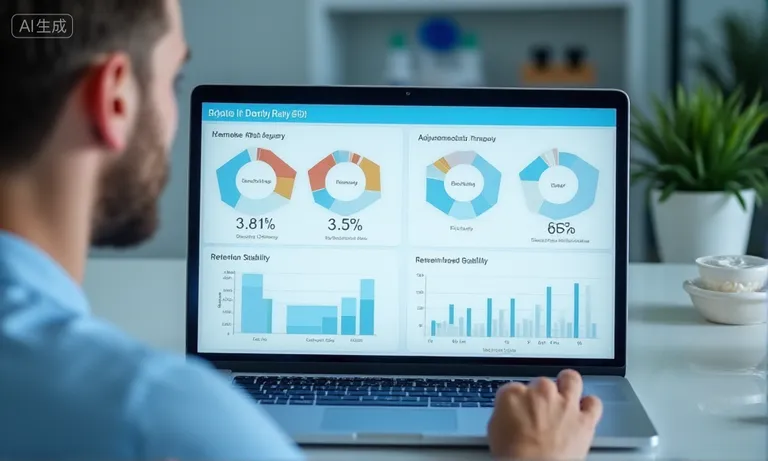
Implant-workflow-speed-digital-vs-traditional
Traditional turnaround times vs. digital workflows
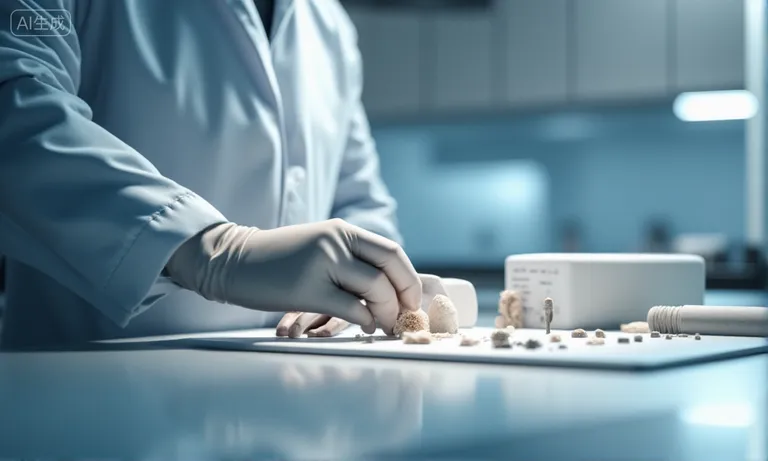
Conventional workflows often require 10–14 days for an implant restoration, largely due to shipping and manual model production. Digital workflows shorten this to 4–7 days by eliminating those steps. Clinics notice the difference most with implant-supported bridges and urgent single-unit cases, where delays directly impact patient treatment schedules. According to Journal of Prosthodontics, digital submissions consistently reduce delivery times by almost 50% compared to traditional impressions.
Eliminating shipping delays through direct file submission
- Files are transferred instantly from intraoral scanners, avoiding courier delays.
- Lost or damaged impressions are no longer a risk.
- International clinics benefit the most, cutting 3–5 days that used to be consumed by shipping alone.
For example, when Raytops Dental Lab implemented digital intake for European partners, average delivery time was reduced by nearly a week compared to physical impression workflows.
Faster production supports high-volume or urgent cases
Speed is not just about convenience; it enables scalability. Multi-unit implant cases and urgent single-tooth replacements can be processed simultaneously with 3D printing. Printers can run overnight, producing consistent models without additional labor. Clinics working with an overseas dental lab gain confidence that even urgent requests can be met without sacrificing accuracy or predictability.
By combining faster submission, reduced logistics, and efficient production, digital implant workflows redefine what “on-time delivery” means. For clinics, this speed translates into smoother scheduling, fewer patient reschedules, and higher trust in their lab partner.
Why Is the Remake Rate Lower with 3D Printing?
Remake cases are a major source of wasted time and hidden costs in implant workflows. Traditional methods often introduce errors during impression taking, model pouring, or manual design adjustments. With 3D printing and digital validation, these variables are minimized, leading to fewer remakes, lower chairside adjustments, and more predictable savings for clinics and procurement managers.
Dental-lab-3d-printing-remake-reduction
Digital design validation reduces human error
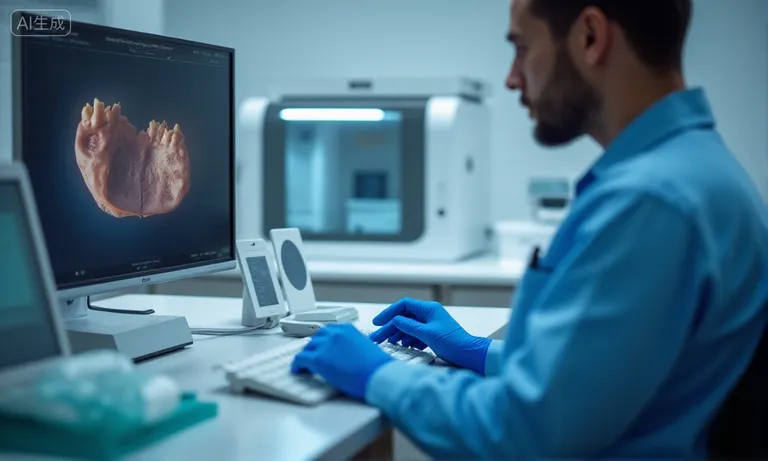
Digital workflows enable labs to validate every margin, contact, and occlusal surface before production. Automated design checks highlight discrepancies that would otherwise go unnoticed in a plaster model. For example, missing data points in a scan can be corrected digitally before printing, avoiding misfits that would require a remake. This shift from manual to automated validation significantly reduces downstream errors.
Micron-level accuracy minimizes chairside adjustments
3D printers replicate details at a tolerance under 50 microns, ensuring better implant seating and occlusion fit. This precision reduces the number of chairside adjustments required, which in turn lowers the probability of remakes. A study in the International Journal of Prosthodontics found that 3D-printed implant models outperform stone in both dimensional stability and reproducibility. For Raytops Dental Lab, this precision translates into higher clinic satisfaction, since clinicians can seat restorations with fewer adjustments.
Lower remake rate translates into predictable savings
| Workflow Type | Typical Remake Rate | Cost Impact on Clinics | Digital Advantage |
|---|---|---|---|
| Traditional (stone + manual) | 10–15% | High chairside time, hidden remake costs | Variable accuracy |
| Digital + 3D printing | 3–5% | Predictable costs, reduced chairside time | Micron-level precision, validated design |
One overseas distributor working with Raytops Dental Lab reported remake incidents falling by more than half after switching to digital workflows. This not only saved on material and labor but also gave procurement managers clearer visibility into long-term budgeting.
By combining validated design, precision printing, and lower remake rates, 3D printing transforms implant workflows into more reliable and cost-effective processes for clinics and their supply partners.
Why Do Digital Files Improve Communication and Reduce Errors?
In implant workflows, every handoff between clinic and lab introduces the risk of mistakes. Digital files streamline this communication, removing manual conversions, improving compatibility, and enabling real-time approvals. This ensures that both clinics and labs work from the same source of truth, reducing misunderstandings and accelerating case confirmation.
Dental-lab-digital-file-communication
Direct file transfer avoids manual conversions
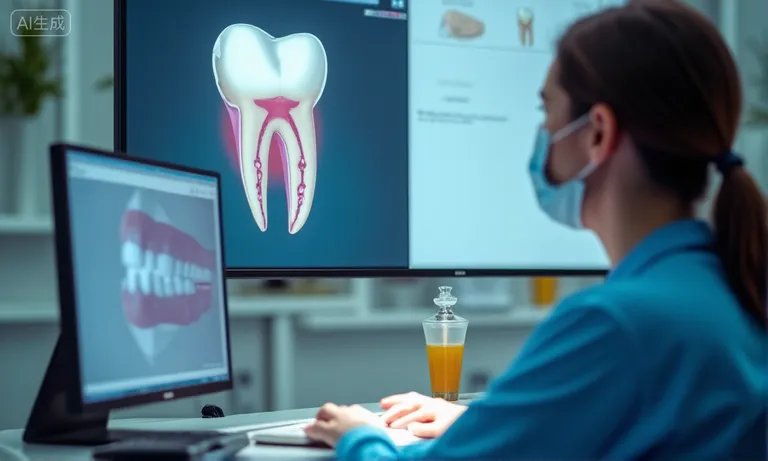
Traditional workflows required impressions to be scanned, converted, and then re-input into CAD software—a process prone to data loss and human error. With direct digital file submission, labs receive the exact data captured by the clinic’s scanner, preserving margin detail and occlusion records. This single-source workflow minimizes transcription errors and improves trust between clinic and lab.
Compatibility with clinic scanners ensures seamless integration
- Works with widely used systems such as 3Shape, iTero, and Medit.
- Reduces delays caused by non-standard file formats.
- Enables clinics to choose their preferred scanner without compromising lab collaboration.
According to Inside Dental Technology, integration across scanner platforms is now a key factor clinics consider when selecting lab partners. For Raytops Dental Lab, ensuring compatibility with multiple scanner brands has helped streamline onboarding for international clinics.
Real-time approvals accelerate case confirmation
When labs share digital previews for implant designs, clinics can review and approve them online without waiting for physical models. This reduces back-and-forth courier cycles and enables same-day adjustments. For example, a U.S.-based clinic group working with an overseas dental lab cut approval timelines from four days to less than 24 hours by using cloud-based review portals. This speed not only accelerates treatment planning but also reassures patients about timely care.
By simplifying communication, ensuring compatibility, and enabling real-time collaboration, digital files transform what was once a slow, error-prone exchange into an efficient, reliable process.
How Does 3D Printing Improve Quality Control?
Quality control is a core concern in implant workflows because even minor inconsistencies can lead to remakes or patient discomfort. 3D printing strengthens QC by introducing traceable, layer-by-layer production methods, ensuring digital records for every case, and enabling standardized precision through printed guides. This allows both labs and clinics to verify accuracy at each stage of the workflow.
Layer-by-layer printing allows verifiable consistency
Unlike stone models that can expand, shrink, or distort, 3D printing builds restorations layer by layer under controlled conditions. Each layer is consistent and can be verified against the digital design file, making the process highly reproducible. Clinics working with digitally enabled labs benefit from greater confidence that every restoration will fit as planned.
Digital records enable traceability and repeatability
- Every case is linked to its original scan and CAD design file.
- Labs can store digital archives for fast reproduction of previous restorations.
- Errors can be traced back to the exact stage, reducing disputes between clinic and lab.
As Dental Materials Journal highlights, digital traceability ensures that quality deviations are easier to detect and correct, supporting continuous improvements in dental production systems.
3D-printed guides ensure standardized precision
Surgical and restorative guides produced by 3D printing create standardized reference points for implant placement and final restorations. These guides reduce variation between cases and allow clinicians to work more predictably. Raytops Dental Lab has seen international clients adopt full guide workflows not only to improve surgical outcomes but also to ensure that restorative cases align seamlessly with planned implant positions.
By combining verifiable production, digital traceability, and standardized guides, 3D printing turns quality control into a measurable, transparent process that strengthens long-term trust between clinics and their lab partners.
Why Is Cost Transparency Better with Digital Workflows?
Procurement managers often find that the true cost of implant cases is not only the invoice but also the hidden expenses of rework, wasted materials, and shipping delays. Digital workflows with 3D printing bring greater cost transparency by reducing manual labor, minimizing waste, and making budgets more predictable for long-term planning.
Digital-dental-lab-cost-transparency
Reduced manual labor lowers hidden costs
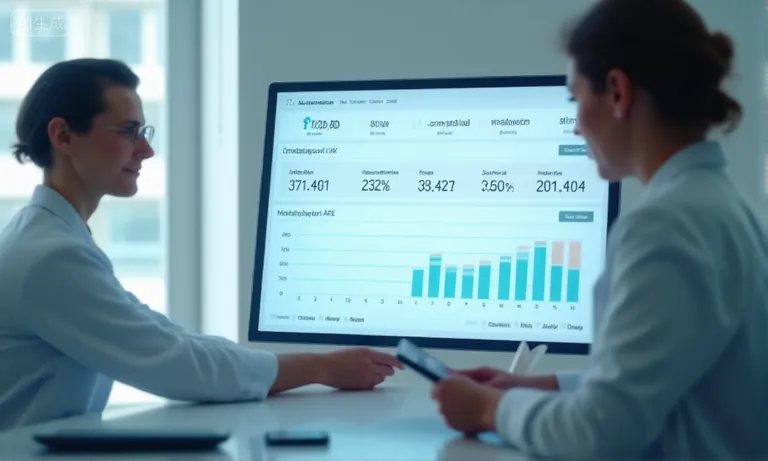
Traditional workflows involve multiple manual steps—pouring models, adjusting wax-ups, shipping impressions—that each add time and expense. Errors during these steps create hidden costs, as remakes require additional materials and labor. Digital workflows automate much of this process, ensuring that the invoice reflects the true cost of the case, without unpredictable add-ons. For overseas clinics, this makes collaboration with labs like Raytops Dental Lab more financially reliable.
On-demand production minimizes material waste
- 3D printing produces restorations only as needed, reducing stockpiles of pre-fabricated components.
- Printing efficiency lowers resin and model waste compared to stone or wax methods.
- Less waste translates directly into savings that can be measured case by case.
The Journal of Dental Technology notes that digital production is significantly more resource-efficient, which not only saves cost but also aligns with clinics seeking sustainable procurement models.
Predictable cost structure supports long-term planning
With fewer remakes, lower shipping expenses, and minimized waste, procurement teams can forecast costs more accurately. This predictability supports annual budgeting for DSOs and helps independent clinics keep treatment fees competitive. One DSO partner working with an overseas dental lab reported a 12% reduction in annual implant-related expenses after moving entirely to digital workflows, largely due to reduced variability in remake and logistics costs.
By minimizing hidden costs and offering predictable pricing, digital workflows provide clinics with a more transparent financial framework. This allows decision-makers to focus on growth, confident that their lab partnership supports both quality and cost efficiency.
Why Choose Raytops as Your Strategic Partner for Implant Cases?
Selecting a dental lab is not only about technology—it is about trust, reliability, and the ability to sustain efficiency over time. Raytops Dental Lab positions itself as more than a production vendor: as a long-term overseas partner, supporting clinics and DSOs with digital workflows, transparent systems, and proven results across global implant cases.
Raytops-dental-lab-strategic-partner
Proven track record in overseas implant workflows
Raytops Dental Lab has managed thousands of implant cases for clinics in Europe and North America, from single-unit crowns to full-arch restorations. With 3D printing and CAD/CAM integration, complex multi-unit workflows can be handled with speed and accuracy. This experience gives overseas partners confidence that timelines and outcomes remain consistent, regardless of case complexity.
Transparent communication and case tracking systems
- Digital portals provide real-time updates on case progress.
- Secure file exchange ensures that all stakeholders work from the same version.
- Case-tracking dashboards allow procurement managers to monitor timelines and approvals with clarity.
As Inside Dental Technology notes, transparency in communication is now one of the most important criteria clinics use to evaluate long-term lab relationships. Raytops’ systems are designed to eliminate uncertainty, ensuring clients always know the status of their cases.
Long-term efficiency through partnership, not just production
What distinguishes Raytops is the focus on collaboration. Efficiency is not a one-time achievement—it comes from continuously reviewing data, integrating client feedback, and refining workflows. For example, in working with a European DSO, Raytops held quarterly process reviews that reduced approval delays by 20% over a year. This kind of sustained improvement reflects a partnership mindset rather than a transactional service.
By choosing Raytops Dental Lab as a strategic partner, clinics and DSOs gain more than access to 3D printing—they secure a relationship built on transparency, scalability, and long-term efficiency.
Conclusion
3D printing has reshaped implant workflows by making them faster, more accurate, and financially predictable. For clinics and DSOs, the benefits go beyond speed—they include fewer remakes, clearer communication, and stronger quality control. These advantages create not just short-term efficiency but a sustainable foundation for growth. As an overseas dental lab, Raytops Dental Lab combines digital expertise with transparent collaboration, ensuring every implant case aligns with clinical and business expectations. For decision-makers seeking both innovation and reliability, partnering with a digitally enabled lab is no longer optional—it is the key to long-term success in implant dentistry.