Specialist
support
Extend your CAD expertise.
Outsource cast metal partial denture CAD design to Raytops. From digital surveying to framework design, we help dental labs handle RPD cases and prepare digital designs for their production workflows.
✅ 12–24h Standard · 2–6h Rush
✅ Metal RPD Framework CAD Design
✅ Clasps, Rests & Connector Design
✅ Fabrication-ready STL + applicable files
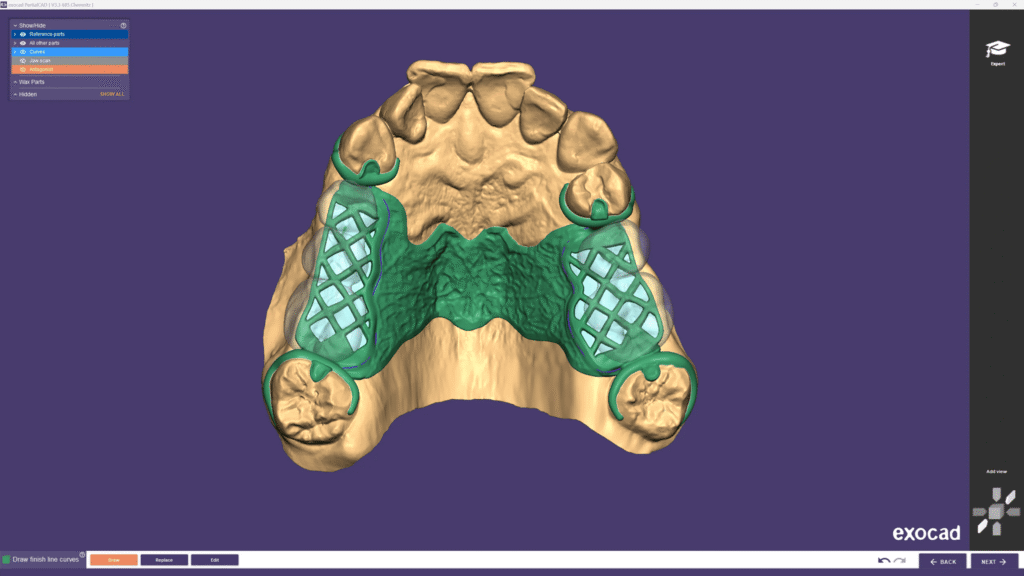
Raytops provides outsourced CAD design for cast metal removable partial denture (RPD) frameworks, helping dental labs expand their design capacity without adding to their in-house workload.
From digital surveying and framework planning to clasps, rests, connectors, and retention mesh, we develop case-specific designs based on supplied scans and design instructions. Our CAD support focuses on metal framework design, with digital deliverables coordinated around the lab's intended manufacturing process.
WHAT THIS MEANS FOR YOUR LAB
Extend your CAD expertise.
Support your design workload.
Match outsourcing to demand.
Add capacity, not headcount.
START WITH ONE CASE
Let’s agree on scope, turnaround and pricing before your trial.
FROM OUR CAD TEAM
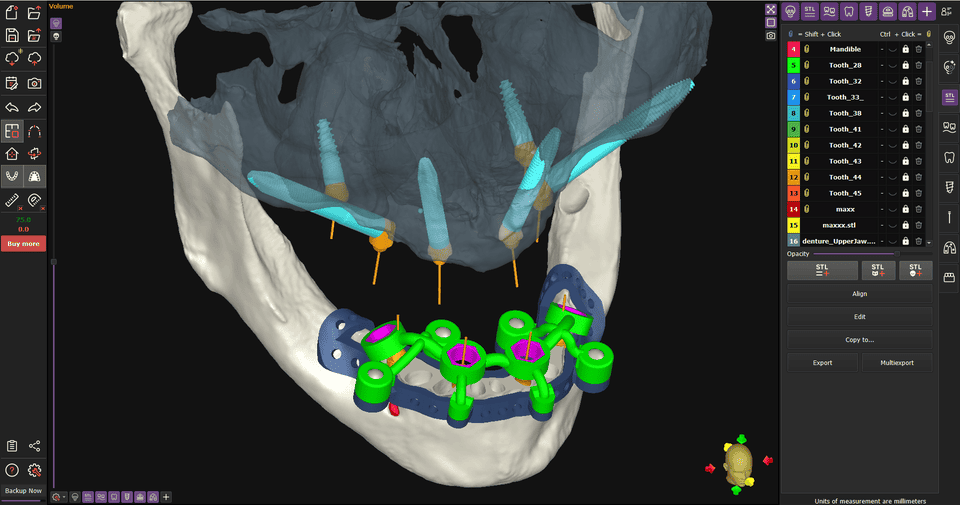
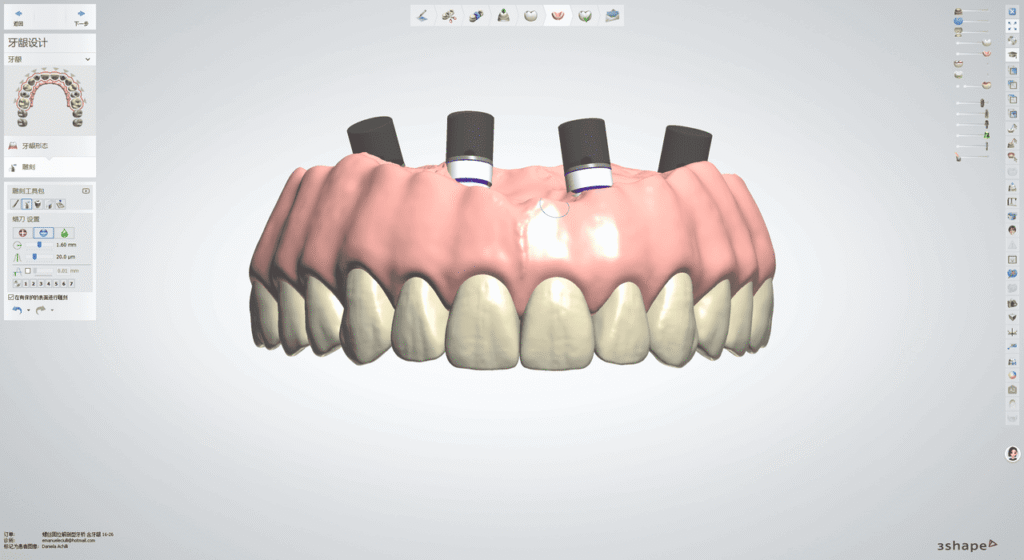
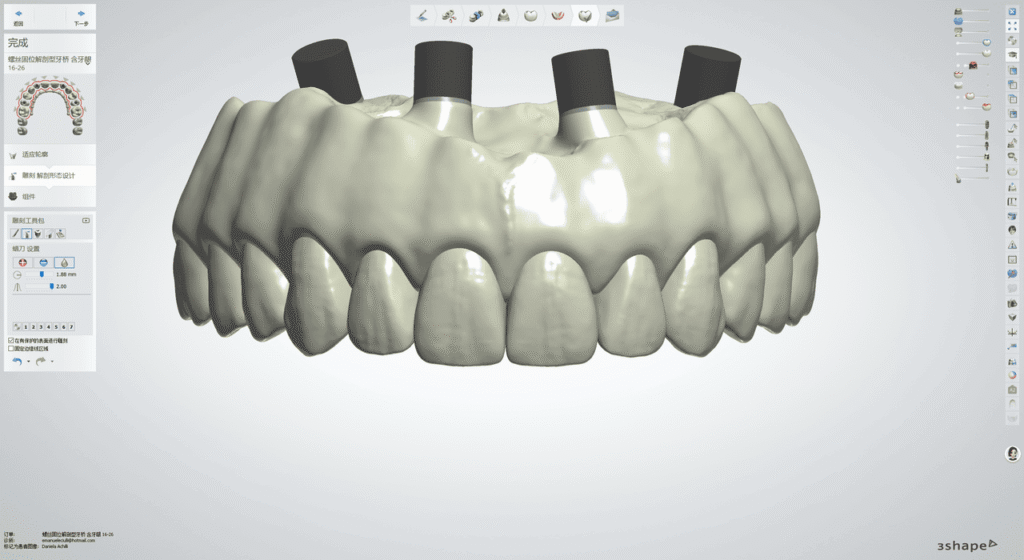
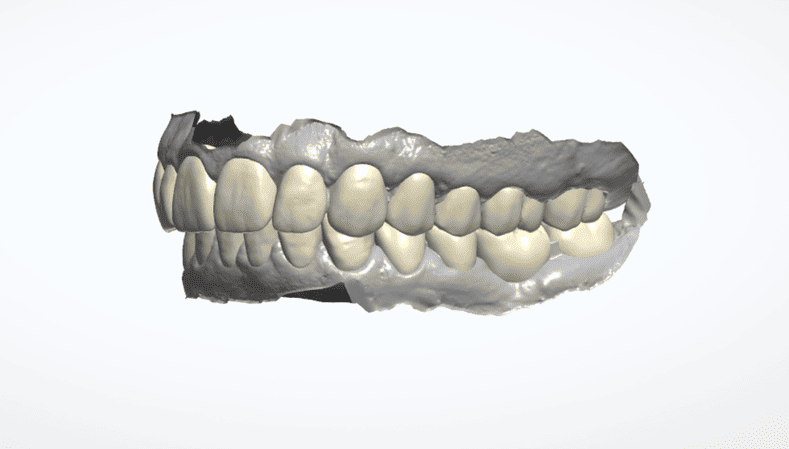
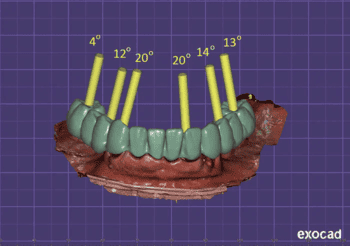
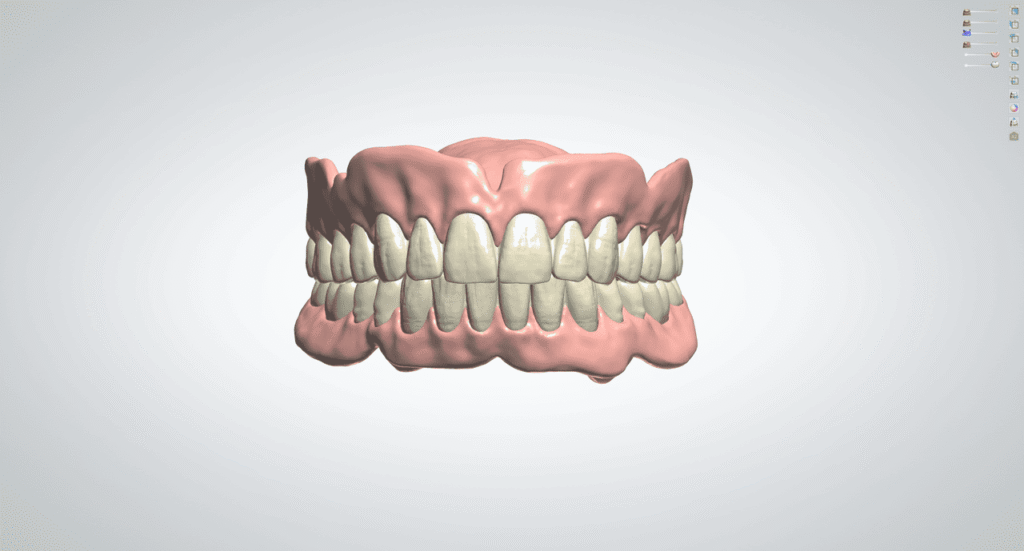
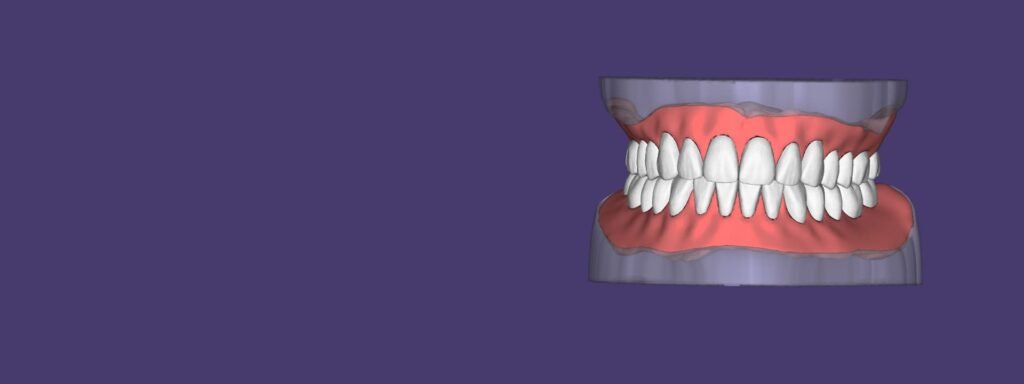
Explore a selection of dental CAD designs, from individual restorations to full-arch work. Click any image to view the design in detail.
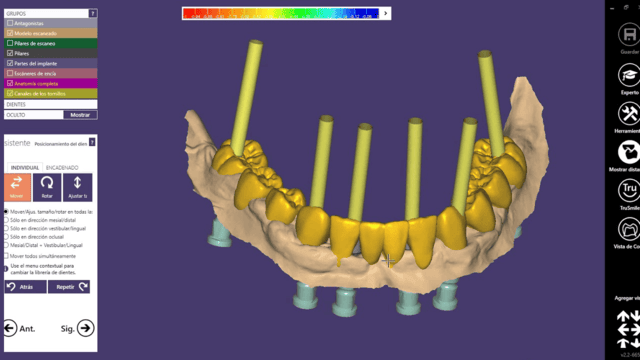
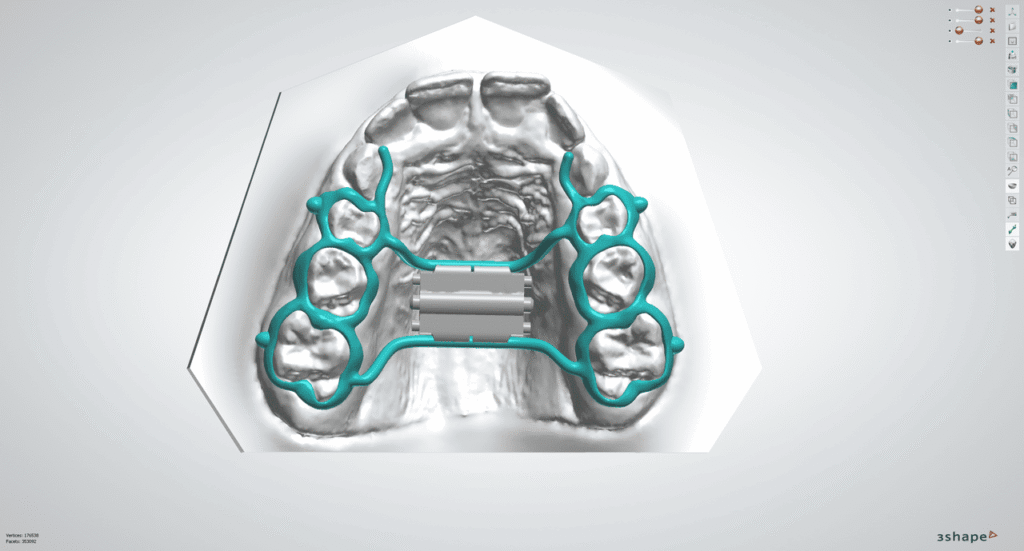
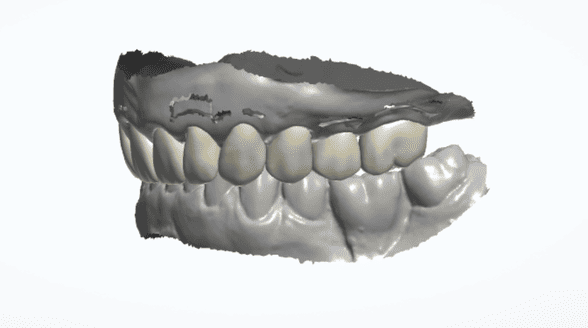
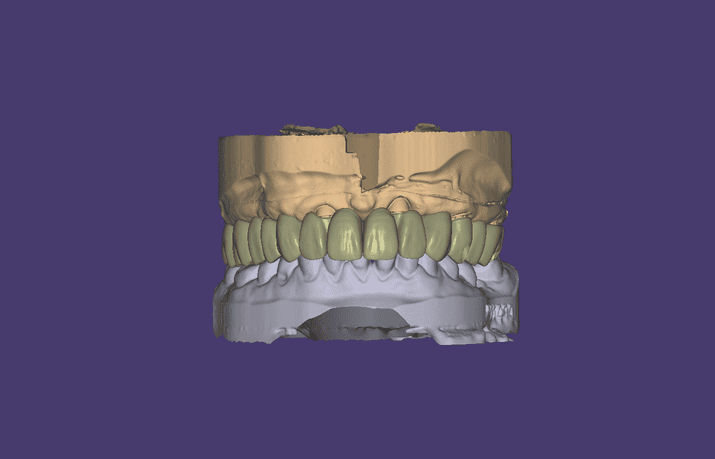
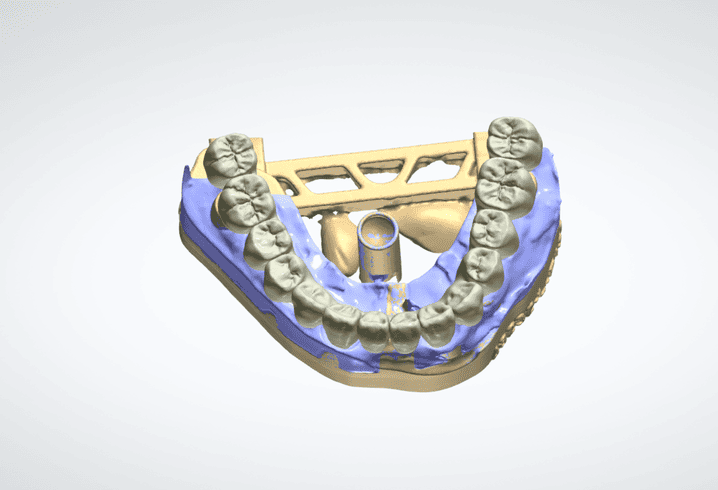
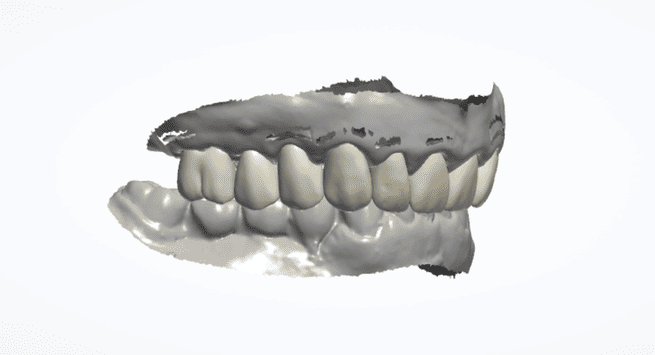
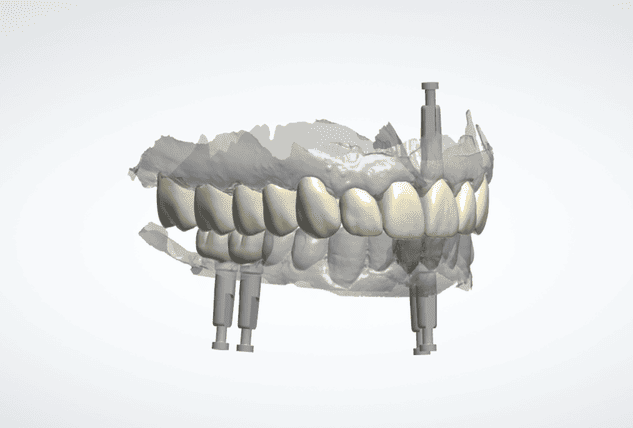
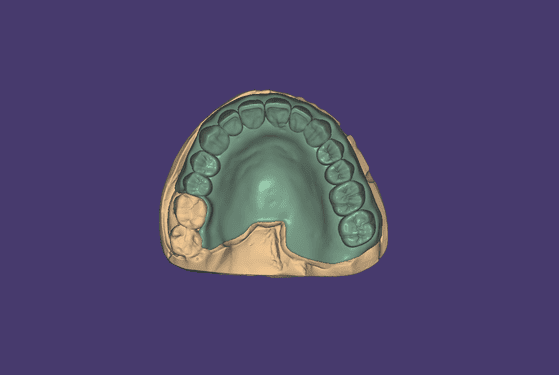
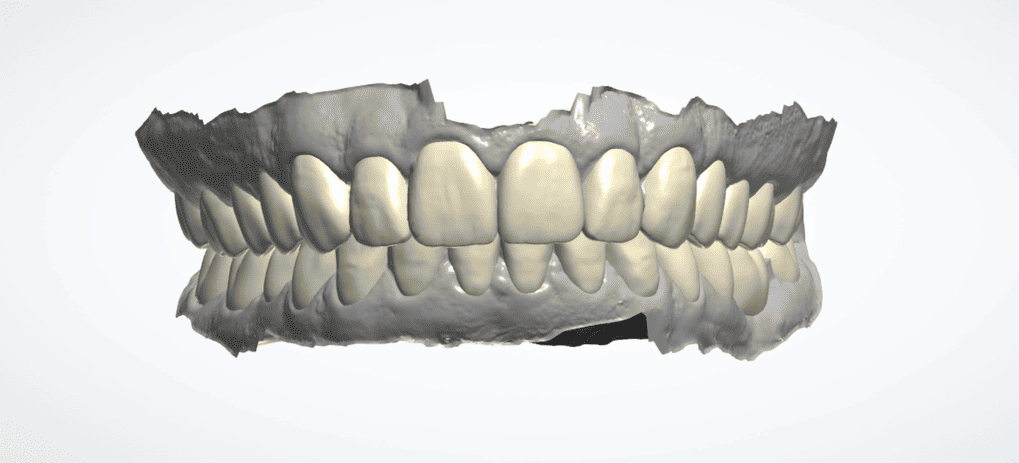
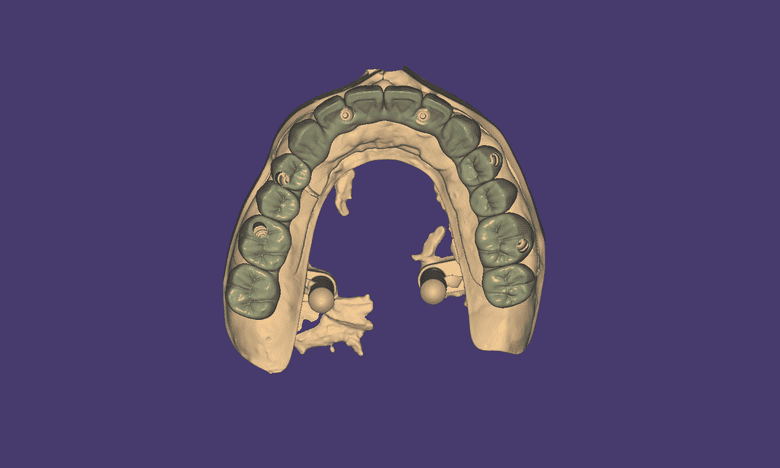
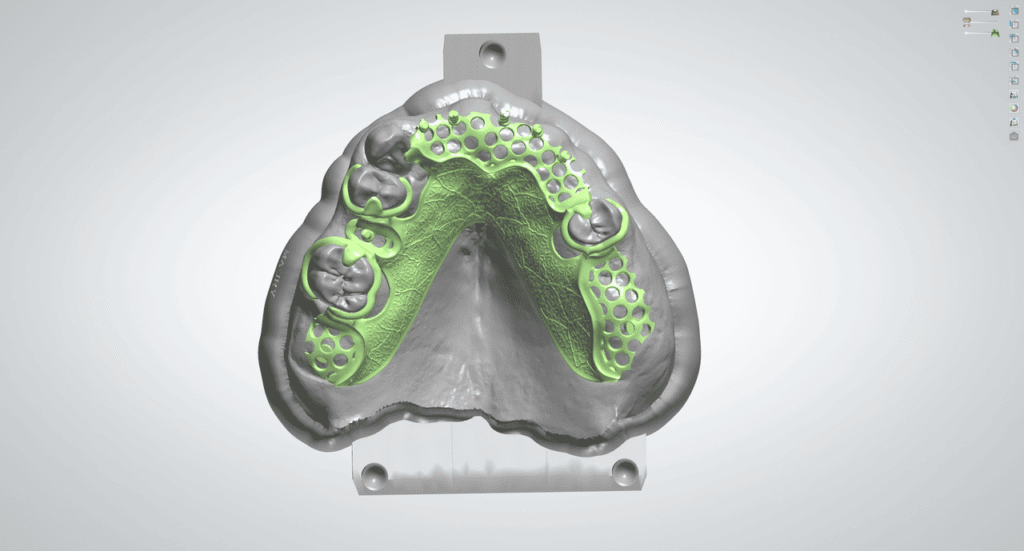
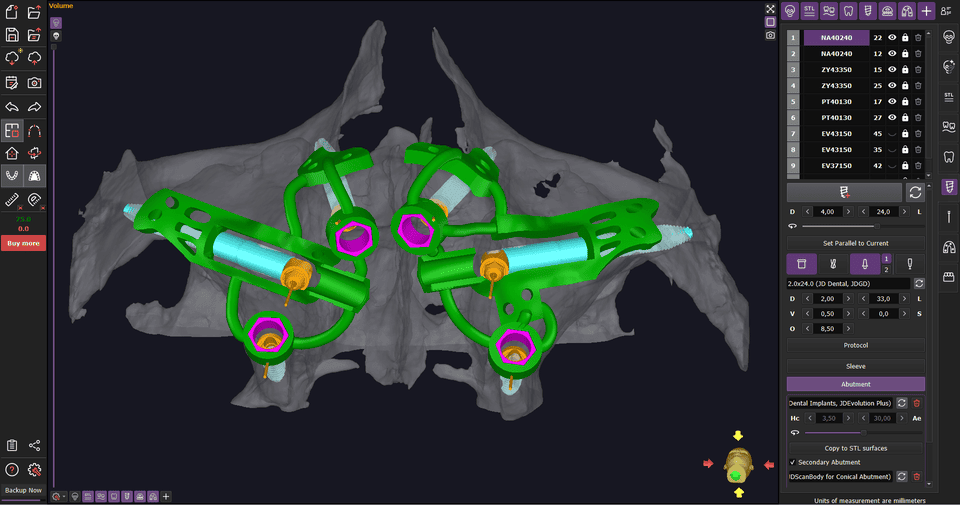
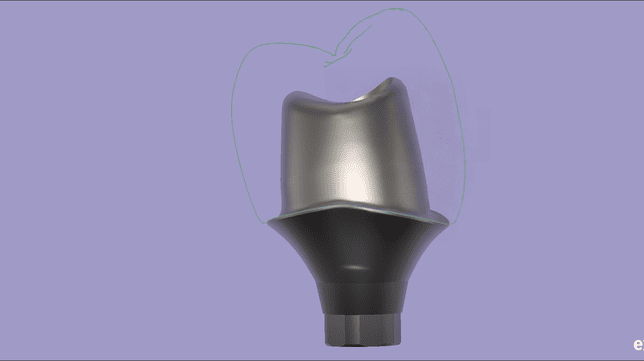
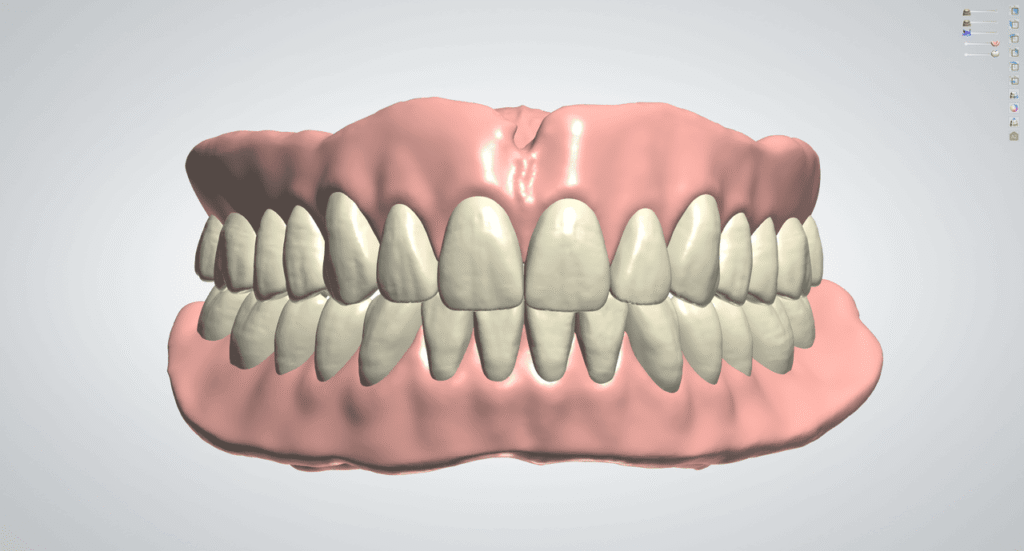
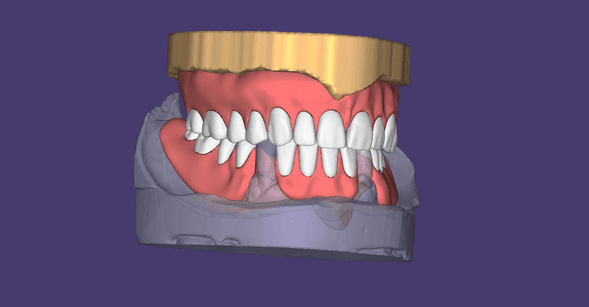
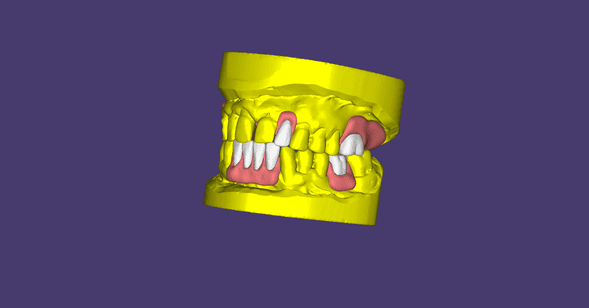
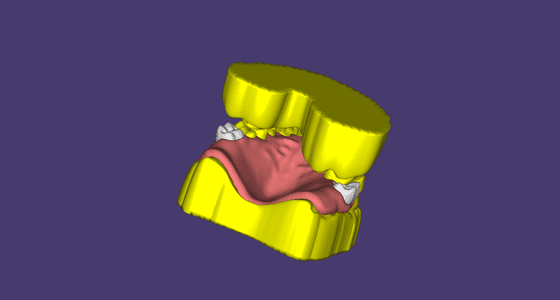
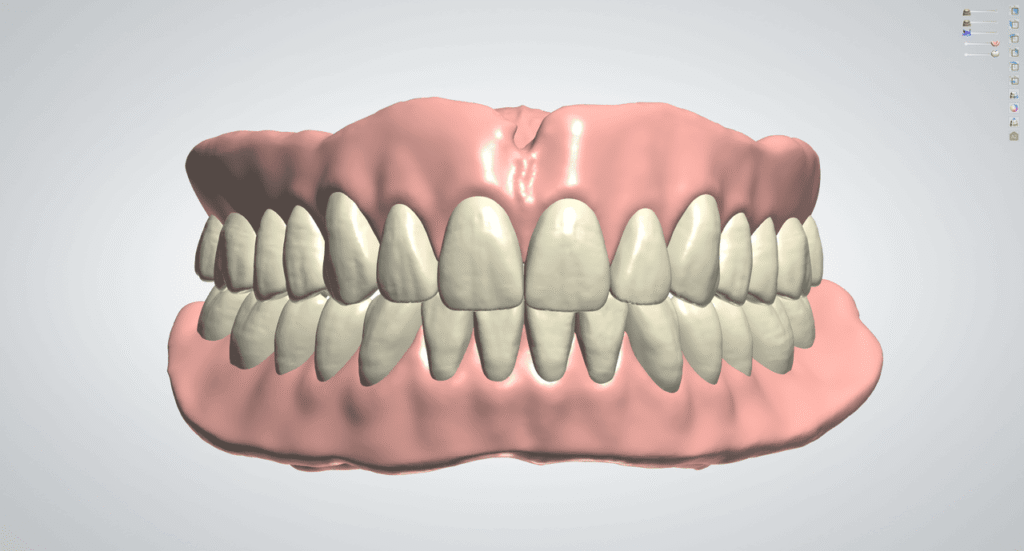
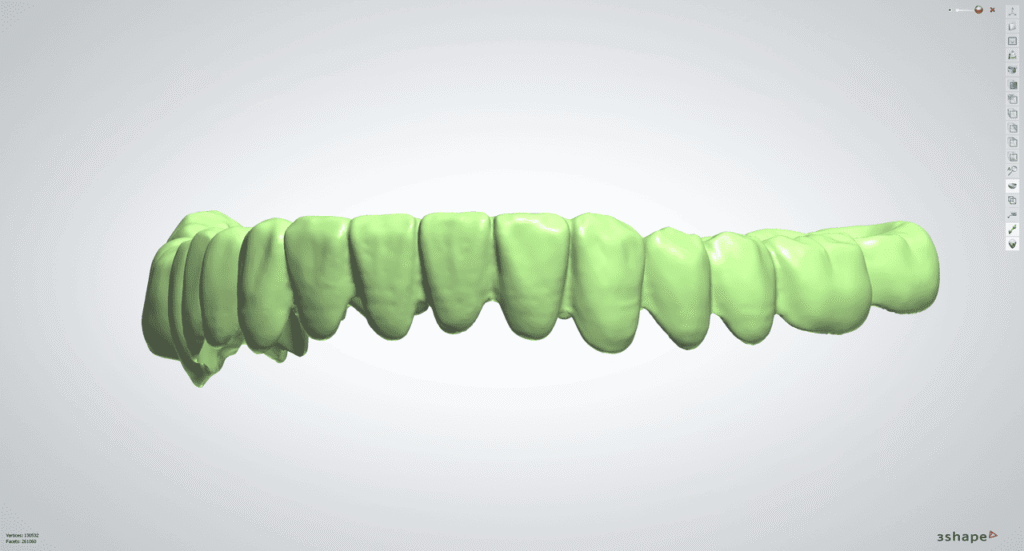
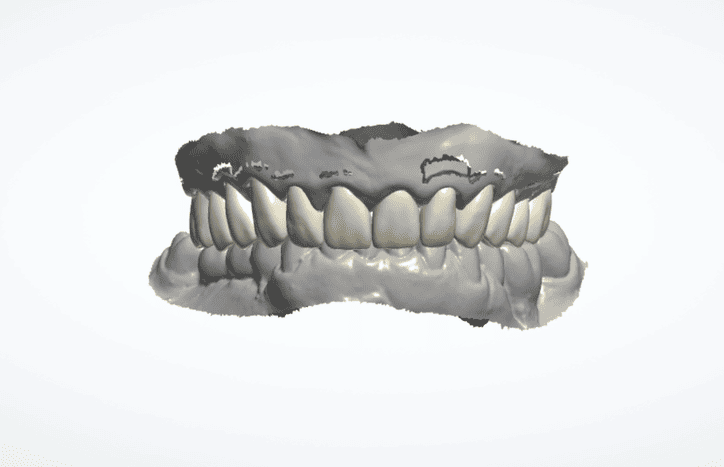
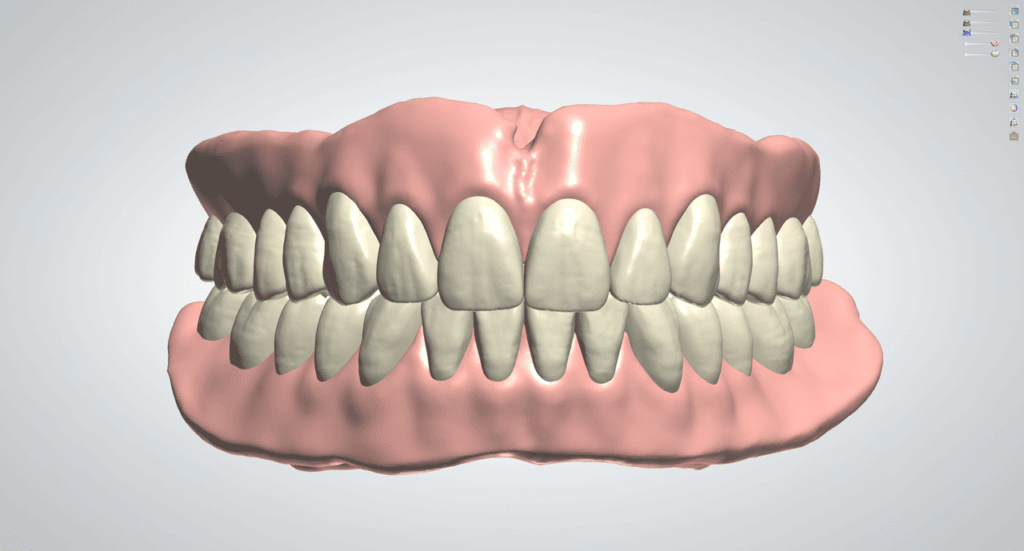
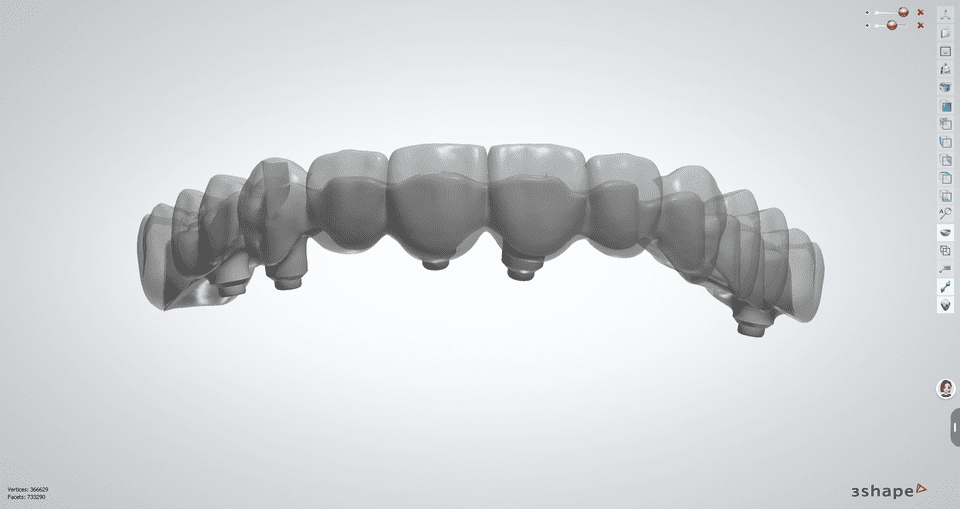
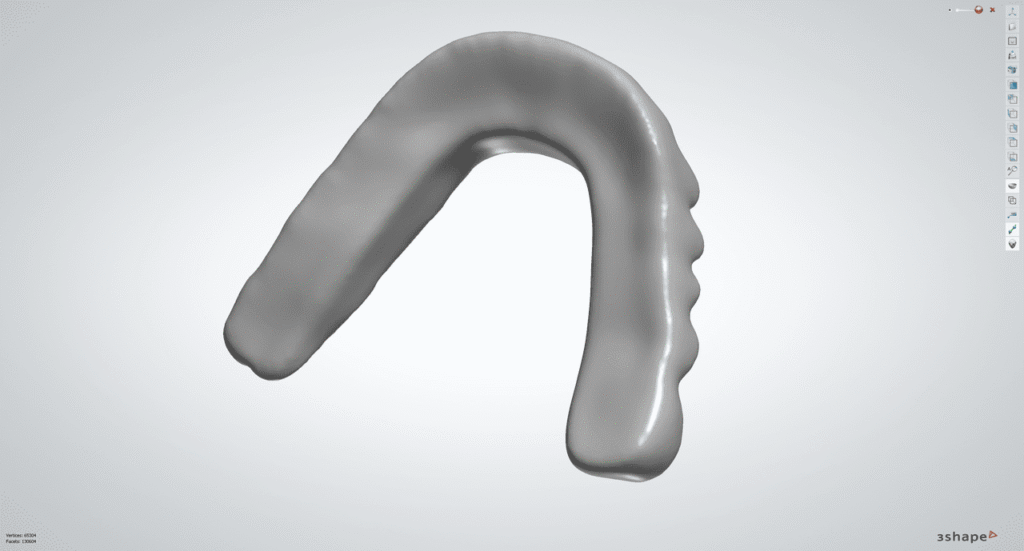
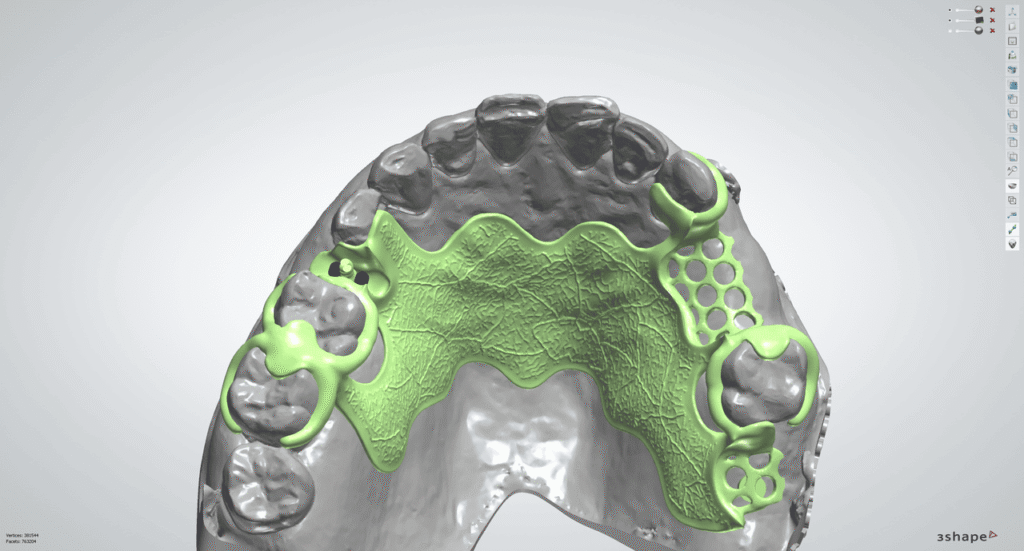
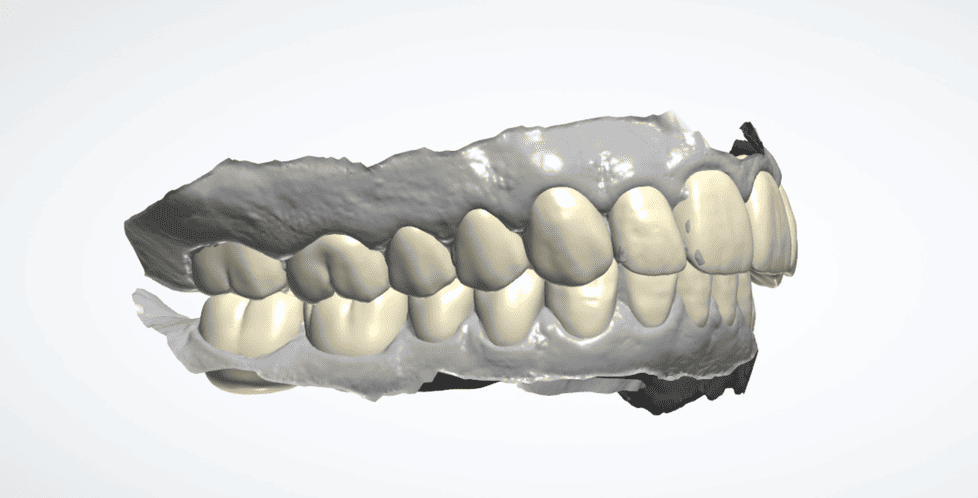
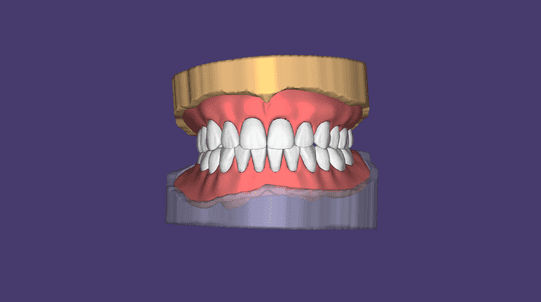
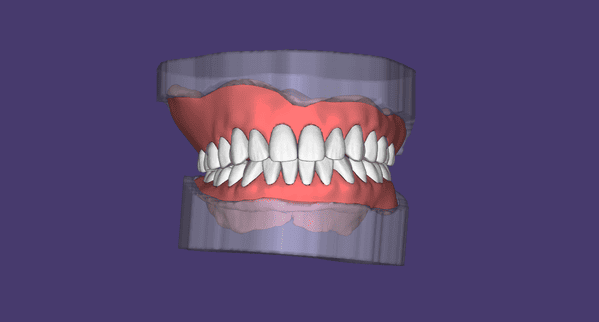
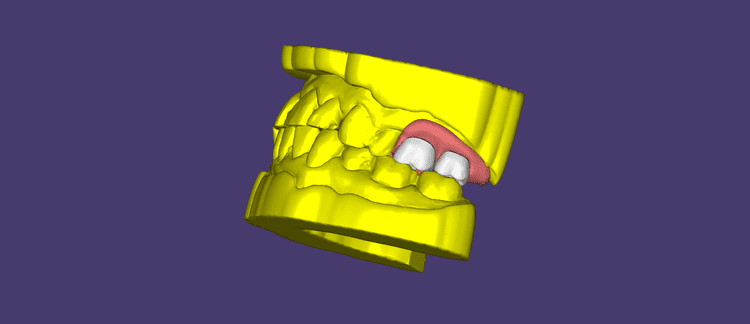
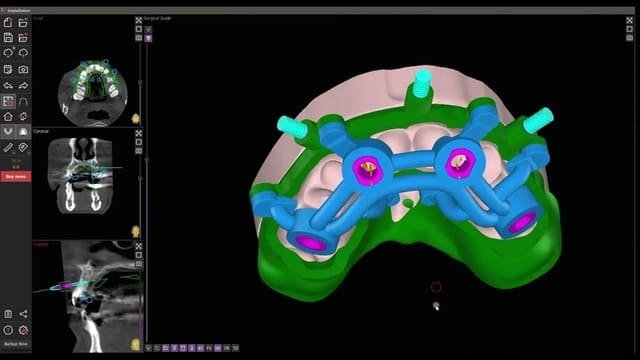
Add digital cast partial framework design to your existing production workflow. Raytops supports surveying, case-specific framework planning, and CAD preparation, helping your lab handle metal RPD design work while keeping control of fabrication.
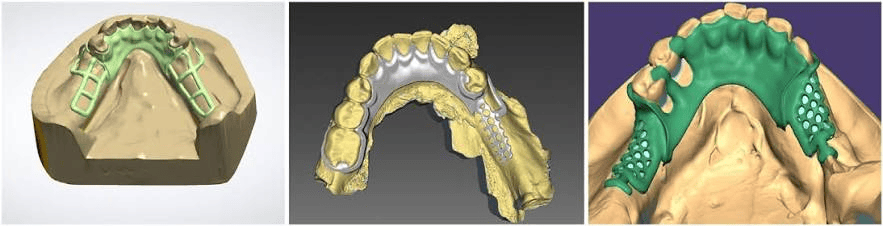
Turn digital scans into surveyed framework plans, with insertion paths and usable undercuts assessed before clasp placement.
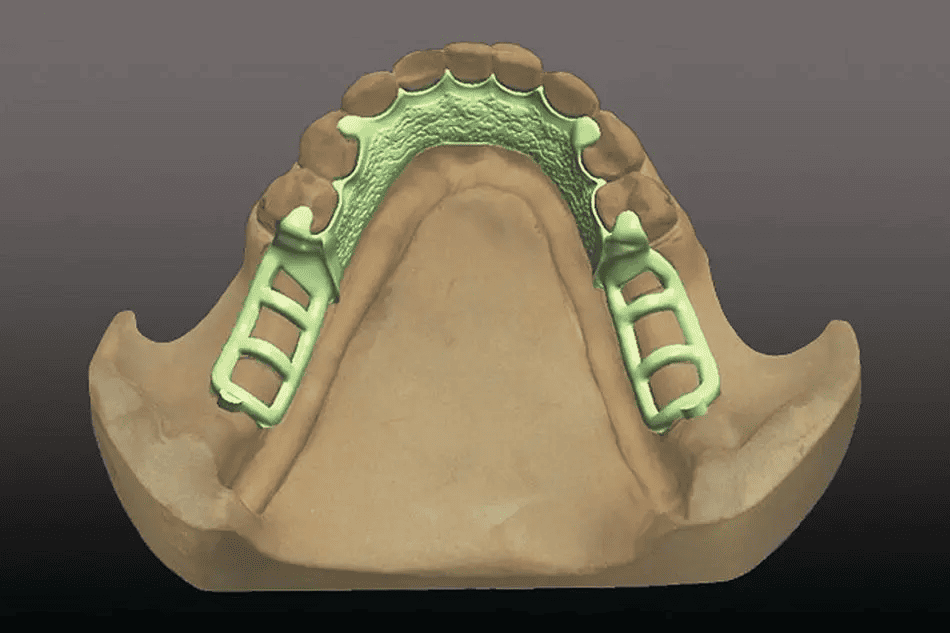
Plan framework components around each case’s missing-tooth pattern, abutment conditions, and support needs rather than relying on a standard layout.
Outsource framework CAD design while continuing to use your lab’s existing casting or metal-printing process, subject to confirmed production requirements.
Review the proposed clasp, rest, and connector layout before releasing the approved design for metal production.
Outsource digital surveying and metal framework CAD design so your technicians can focus on fabrication and finishing.
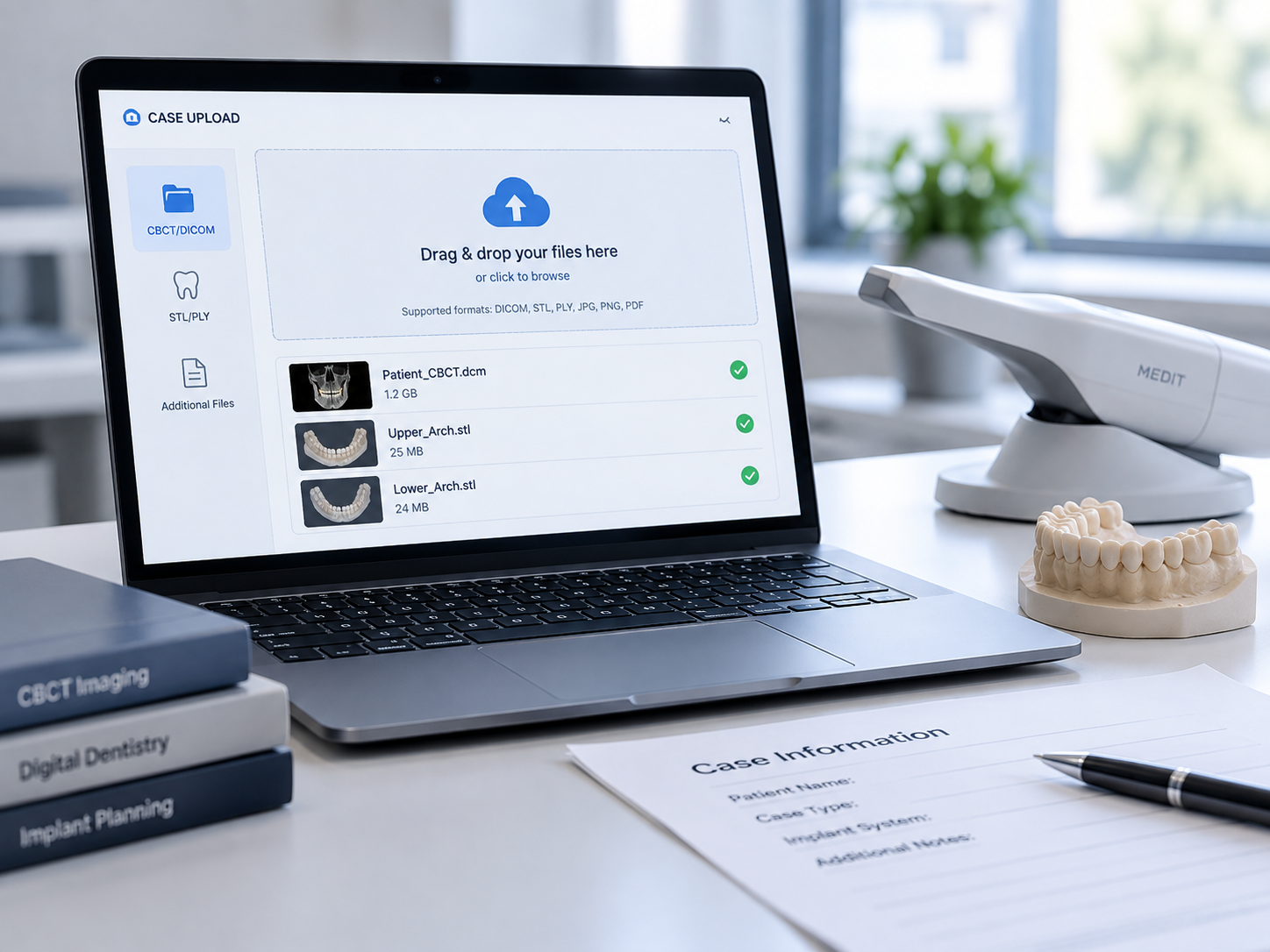
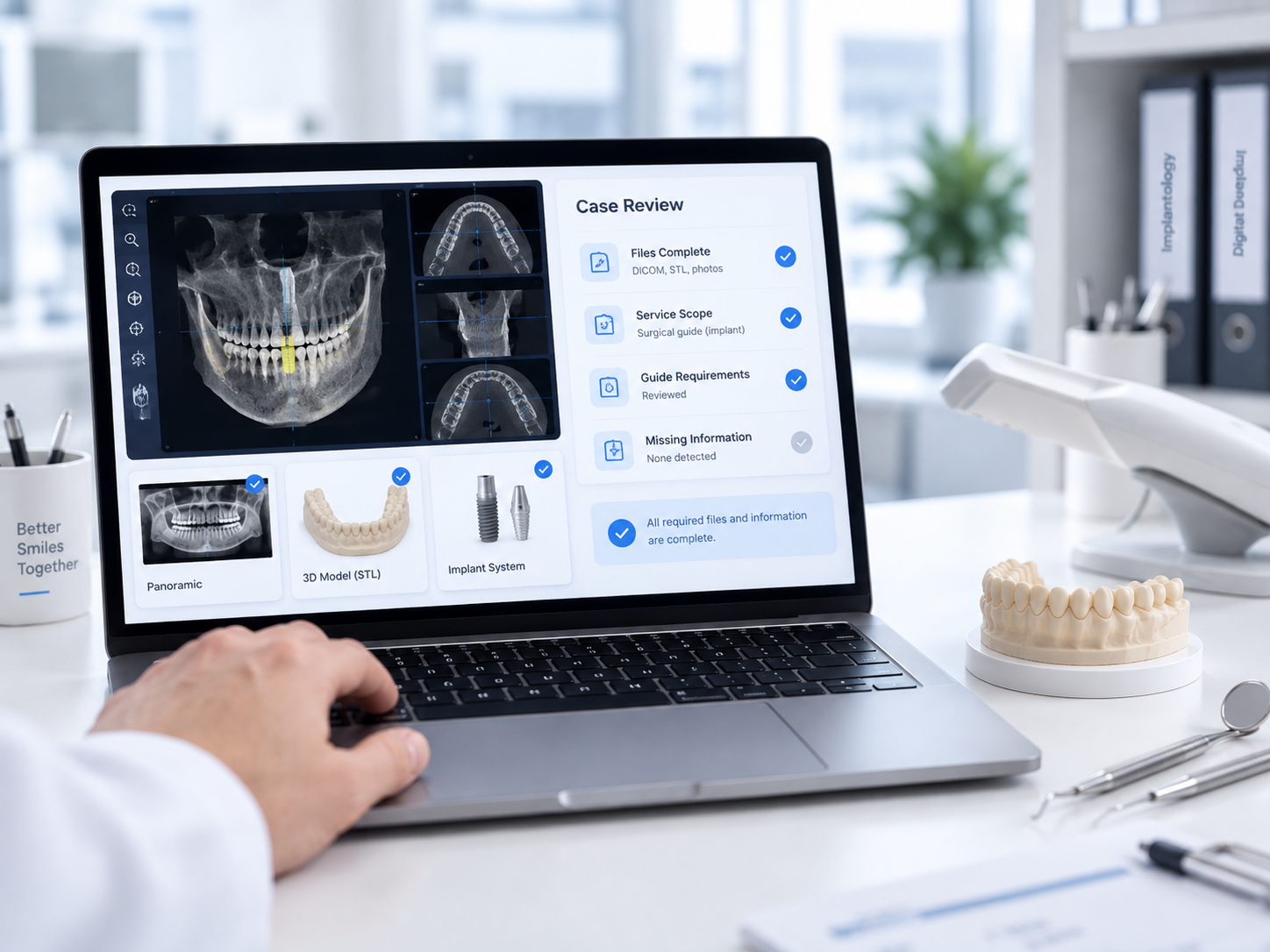
A straightforward CAD outsourcing process for cast partial denture frameworks. Submit your scans and design requirements, review the proposed framework, and receive approved CAD files prepared for your agreed manufacturing workflow.
Practical answers to common questions about digital RPD design, intraoral scanning, surveying, metal frameworks, casting versus 3D printing, and framework fit.
Yes. Digital RPD frameworks can be designed from intraoral scans or scanned physical models. The scan must accurately capture the teeth and relevant tissue areas. Additional clinical records or impressions may be needed, especially for free-end saddle cases.
Surveying helps determine the path of insertion, usable tooth undercuts, and guide-plane relationships. These findings guide clasp placement and framework design. An unsuitable insertion path can affect retention and prevent the framework from seating as intended.
Cast metal partial dentures use a metal framework, commonly cobalt-chromium, for support and retention, often combined with an acrylic base and artificial teeth. Acrylic partial dentures rely mainly on an acrylic structure. Their design, support, and retention requirements differ.
Yes. CoCr frameworks can be made through traditional casting using a printed or wax pattern, or directly through metal printing such as SLM. Both methods can use digital CAD designs, but each has different manufacturing requirements.
Kennedy Class I and II involve free-end saddles, where support comes from both teeth and soft tissues. Because these structures respond differently to chewing forces, rest placement, indirect retention, and rotation control need particular attention.
No. Accurate CAD design is essential, but final fit also depends on scanning quality, casting or printing, finishing, and clinical conditions. Framework fit should be checked during the appropriate laboratory and clinical stages.
The right cast partial denture CAD outsourcing partner must be able to design the cases your lab needs, deliver files your production system can use, and demonstrate reliable results. Price and turnaround matter, but neither can make up for poor design decisions or incompatible files.
Start by defining the work you want to outsource. Then review the supplier’s relevant cases, confirm manufacturing requirements, and test the service with a representative order. This approach helps you choose a partner based on actual performance rather than software claims or marketing promises.
Cast partial denture CAD outsourcing may cover metal framework design alone or additional denture base and tooth setup work. These are different services and should be defined before ordering.
Framework design covers the metal structure of a removable partial denture (RPD). Depending on the case and agreed responsibilities, it includes:
There is an important difference between following an approved framework prescription and developing the design from scans. The second requires more planning and decisions that may need clinical approval.
Framework-only service does not normally include the acrylic base or artificial tooth arrangement. However, the framework must still provide suitable connections and space for these later stages.
Base design and tooth setup are included only when the agreed service covers them. The term partial denture CAD design does not guarantee that every stage is included.
| Service Scope | Design Deliverable |
|---|---|
| Framework only | Metal framework geometry |
| Framework + base | Framework and acrylic denture base design |
| Complete partial denture design | Framework, base, and artificial tooth arrangement |
If the lab handles its own base design and tooth setup, framework-only outsourcing may be enough. If all stages are outsourced, the supplier must coordinate them. For example, retention mesh should not take up space needed for an artificial tooth.
Confirm the included stages and required deliverables before comparing quotes.
Design expertise is shown by how a supplier handles the clinical and technical demands of a real case. A polished 3D framework or access to exocad or 3Shape does not, on its own, prove that the design is sound.
A useful survey review shows the selected path of insertion, available undercuts, guide-plane relationships, and areas needing blockout.
These findings must agree with the framework layout. Changing the insertion path can change the undercut available to a clasp. If the path changes, the designer may need to reconsider clasp engagement, guide planes, and related components.
Ask to review the survey alongside the proposed framework—not as a separate software screenshot.
If the lab supplies an approved survey, the CAD team should follow it and flag conflicts. If surveying is part of the outsourced work, the team should explain its proposed path and identify decisions needing approval.
The key test is whether the survey supports a consistent design, not whether the software can display undercut colors.
A sound framework works as a coordinated system. The BSSPD removable partial denture design guidance addresses support, retention, indirect retention, reciprocation, connectors, and hygiene as related design requirements.
The most important relationships are:
Geometry matters as well. Components should form the intended continuous structure, without unwanted gaps or weak transitions. But a technically complete mesh does not establish that the component layout is correct.
A capable supplier should be able to explain why the components suit that case and how they work together.
Different cases test different skills.
A Kennedy Class III bounded saddle can show whether a team handles routine surveying, rests, clasps, and connectors accurately.
Kennedy Class I and II free-end saddles demand more judgment. Tooth and soft-tissue support behave differently under load, making saddle movement and rotation control important. A layout suitable for a bounded saddle cannot simply be copied into a distal extension case.
Combination cases introduce another dependency. When a partial framework works with crowns or bridges, rest seats, guide surfaces, and restoration contours must agree with the planned insertion path. The exocad PartialCAD workflow supports combined design, but software capability is not proof of a supplier’s case-specific skill.
Review completed cases similar to those you intend to outsource. Look for the survey decisions and component relationships, not only attractive framework images.
When base design and tooth setup are included, all three parts must work as one restoration.
The review should establish that:
For example, a framework may look correct alone but place retention mesh where a posterior artificial tooth is needed. Viewing the complete arrangement can reveal that conflict before production.
Framework design skill does not automatically establish base design or tooth setup skill. Verify the stages you actually plan to outsource.
A CAD design is production-ready only when its geometry and deliverables meet the receiving lab’s actual manufacturing requirements. File format alone cannot establish compatibility.
Traditional casting and direct metal printing use different production routes.
Traditional casting: A digital framework is made into a castable resin or wax pattern before investment and metal casting. The design must suit the lab’s pattern-production process, including relevant geometry, thickness, relief, and base connections.
SLM / DMLS: The framework is made directly in metal. The geometry must suit the selected printing process, and the parties must agree who handles build orientation, support structures, and other production preparation.
SLM support design is not automatically included in every RPD CAD order. It may belong to the manufacturing team unless the service agreement states otherwise.
For either route, confirm the applicable geometry requirements and whether the final file can be processed by the lab’s production system. A framework design may be a starting point for both casting and SLM, but the same STL should not be assumed ready for both without review.
STL is often sufficient for manufacturing; native project files may be needed for continued CAD editing.
An STL contains exported surface geometry. It does not normally preserve all the editable design information needed to change a survey, clasp, rest, or connector through the original CAD workflow.
If the lab needs to modify the design, confirm the required native project, software version, module, and supporting scan data. Even when both parties use exocad or 3Shape, editable project compatibility should not be assumed.
The most reliable check is practical: open a representative file in the lab’s own system, perform the expected edits if required, and verify that it can proceed to production.
Agree on the final STL, native files where available and needed, supporting records, and approved version before the first order. Request files that serve the workflow, not formats the lab will never use.
Reliable outsourcing depends on clear case requirements, defined decision authority, and an approved final design. Missing information should be resolved before it affects the framework, not after manufacturing begins.
The required records depend on the design task. They may include the working arch scan, opposing arch and bite records when relevant, a prescription or sketch, and an approved survey if one exists.
More important than a fixed file checklist is whether the information supports the necessary decisions:
A scan-only case that requires framework planning is different from one with an approved design prescription. The responsibility for making design decisions must match the service being purchased.
The response depends on what is missing and whether it affects a key decision.
If scan data are missing from a critical tooth or tissue area, request better records rather than guessing the surface. If the scan is usable but the insertion path is undecided, the CAD team may propose one when planning is within its scope, subject to the required approval.
Conflicting instructions need a clear explanation. For example, a prescribed clasp position may not have a suitable undercut along the approved insertion path. The CAD team should mark the conflict, explain its effect, and present options for confirmation rather than silently changing the path or clasp.
Work supported by reliable information may continue, while dependent decisions remain open. This avoids unnecessary delays without allowing unresolved assumptions to spread through the design.
Revisions should be checked against the original instructions and the latest approved version.
A useful review identifies the requested change, the affected components, and the resulting design version. For example, moving a clasp may also require reassessing reciprocation or guide-plane relationships. A local change should not create an unnoticed conflict elsewhere.
Before release, confirm that the manufacturing file matches the approved design and that no important question remains unresolved. New clinical requirements may need renewed approval; correcting a CAD error against unchanged instructions is a different matter.
This keeps responsibility clear and prevents an unapproved revision from becoming the manufacturing file.
A trial should show whether the supplier can perform the intended work within your lab’s actual workflow. The best test is not necessarily the most complex case; it is the one that reveals the abilities your lab will rely on.
Start with a representative routine case. Add a demanding case if the planned workload requires it.
| Trial Case | Main Capability Tested |
|---|---|
| Kennedy Class III | Routine survey execution and framework layout |
| Kennedy Class I / II | Support planning and rotation control in free-end saddles |
| Combination case | Coordination with crowns, bridges, and shared insertion requirements |
| Complete partial design | Coordination of framework, base, and tooth setup, if included in the service |
The trial should also match the expected design responsibility. A supplier that follows an approved survey well has demonstrated CAD execution, but not necessarily independent surveying and framework planning.
Relevant completed cases provide additional evidence of experience. The trial then shows how the team performs with your own instructions and production requirements.
Use the trial to verify four outcomes:
Record each important requirement as accepted, needs correction, or not yet verified.
If a finished framework does not seat correctly, compare the approved CAD design, source scans, and production records before assigning responsibility. Design, scanning, manufacturing, and finishing can all affect the result.
One successful trial can support a decision to begin cooperation. It does not prove consistent performance across months of orders.
Compare quotes for the same work and conditions, not just the price per arch. One service may cover framework modeling from an approved prescription, while another includes surveying, planning, or additional partial denture design.
| Commercial Factor | What to Confirm |
|---|---|
| Pricing | Per arch, per case, complexity tier, prepaid credit, or volume-based terms |
| Scope | Framework only or additional base and tooth setup; planning included or excluded |
| Turnaround | Standard and rush times, cutoff, and when the clock starts |
| Revisions | Corrections included, limits, and charges for new scans or changed instructions |
| Deliverables | Final STL, review files, and native project files if required |
| Order terms | Minimum volume, discounts, payment schedule, and credit restrictions |
For example, a 24-hour delivery promise may start only after complete records are accepted. An “unlimited revisions” offer may cover corrections within the original case scope but not a new scan or changed clinical prescription.
For repeat orders, compare expected case volume and complexity with any prepaid or monthly plan. Discounts have limited value if the lab cannot use the purchased volume.
The useful comparison is the cost of obtaining an approved, production-ready design, including any extra planning, review, or correction work. A low design fee may be economical for clear routine cases; a more involved service may be justified when it reduces work the lab would otherwise have to complete itself.
Long-term reliability means applying agreed lab standards consistently while still making the right decisions for each new patient. It must be demonstrated across completed cases, not inferred from one successful trial.
A reusable lab profile can record preferred framework details, manufacturing requirements, review views, and file-delivery standards.
However, standing preferences must remain separate from patient-specific instructions. A preferred clasp design, for example, should not override the current survey or an approved clinical prescription.
When a new preference is approved, record what changed and where it applies. An exception for one patient should not become the default for all later cases.
This helps different CAD team members follow the same lab requirements without copying old designs blindly.
Ask for a series of relevant completed cases with traceable design and production records, not just a portfolio of finished framework images.
Useful evidence connects:
Look for patterns. A recurring clasp-position error despite an approved survey is different from a revision caused by a clinician changing the prescription. Counting revisions without their causes can be misleading.
A supplier demonstrates stronger long-term reliability when similar requirements are handled consistently, repeated problems are addressed, and the lab’s production needs continue to be met.
Choosing a cast partial denture CAD outsourcing partner comes down to three things: relevant design capability, compatibility with your manufacturing workflow, and verifiable delivery consistency.
Use completed cases to assess experience and a representative trial to test real cooperation. For repeat orders, review the results over time rather than relying on promises about speed or quality.
If your lab is considering cast partial denture CAD outsourcing, share a representative case and your production requirements with Raytops to discuss the design support that fits your workflow.
Send us your requirements and our technical team will reply with a practical recommendation.