implant cad design outsourcing
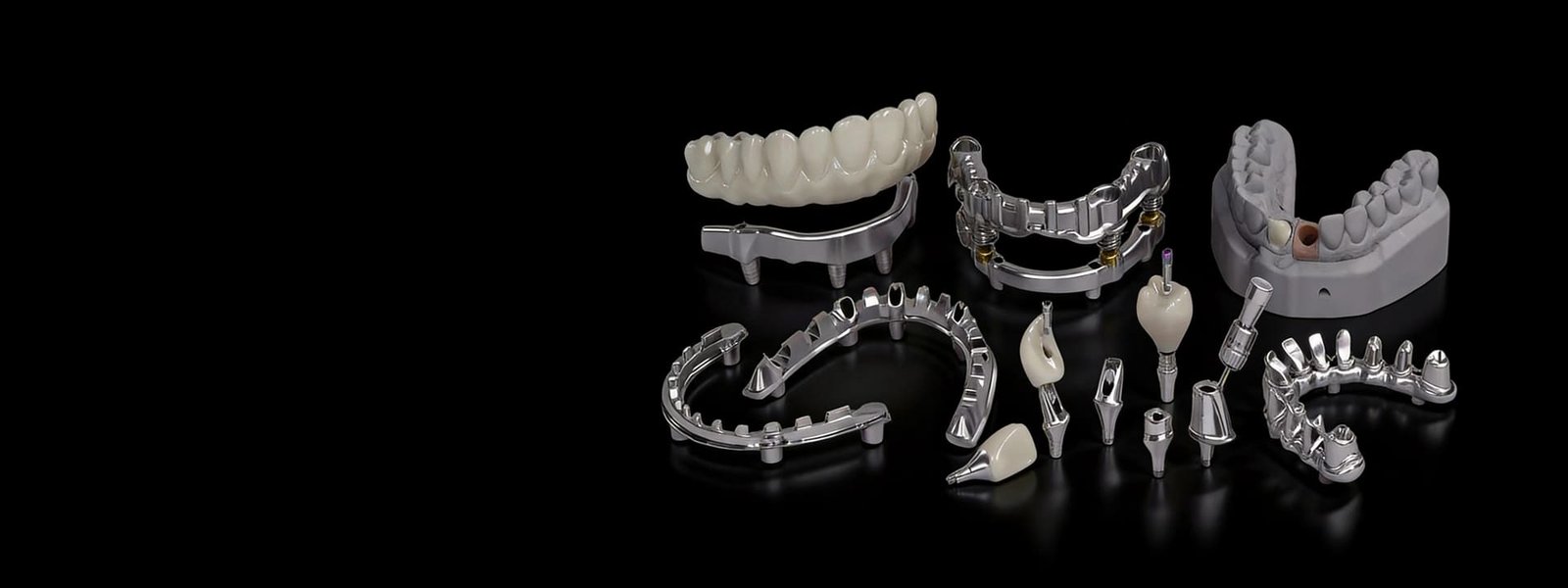
Outsource implant crowns, bridges, custom abutments, Ti-base restorations, All-on-X, and implant bars. Our exocad-based CAD design services follow your case instructions, confirmed implant components, and manufacturing requirements, with 3D previews for review and production-ready design files.
✅ 12–24h Standard · 2–6h Rush
✅ From single implant crowns to full-arch restorations and implant bars.
✅ 3D design previews, STL files, and other agreed deliverables.
Dental Implant CAD Design for Dental Labs & Clinics
Raytops provides dental implant CAD design outsourcing for dental labs and clinics, covering implant crowns, bridges, custom abutments, Ti-base restorations, All-on-X, and implant bars.
From single-unit restorations to complex full-arch cases, designs are developed according to confirmed implant components, restorative requirements, and intended manufacturing processes.
Our services include CAD-only outsourcing or optional fabrication, with 3D previews, STL files, and additional design files provided according to your workflow.
WHAT THIS MEANS FOR YOUR LAB
More capability. Less overhead.
Specialist
support
Extend your CAD expertise.
Keep cases
moving
Support your design workload.
Flexible
design cost
Match outsourcing to demand.
Grow without
hiring
Add capacity, not headcount.
START WITH ONE CASE
Find the right fit for your lab.
Let’s agree on scope, turnaround and pricing before your trial.
FROM OUR CAD TEAM
CAD Design Showcases
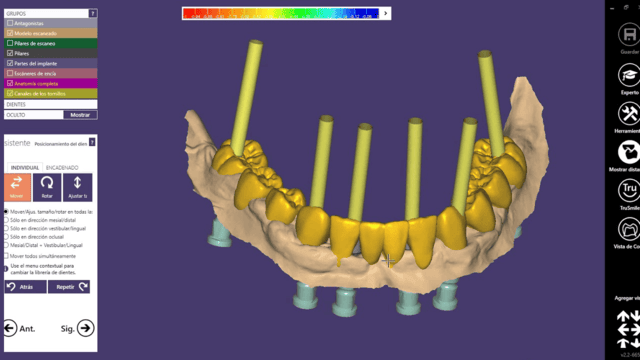
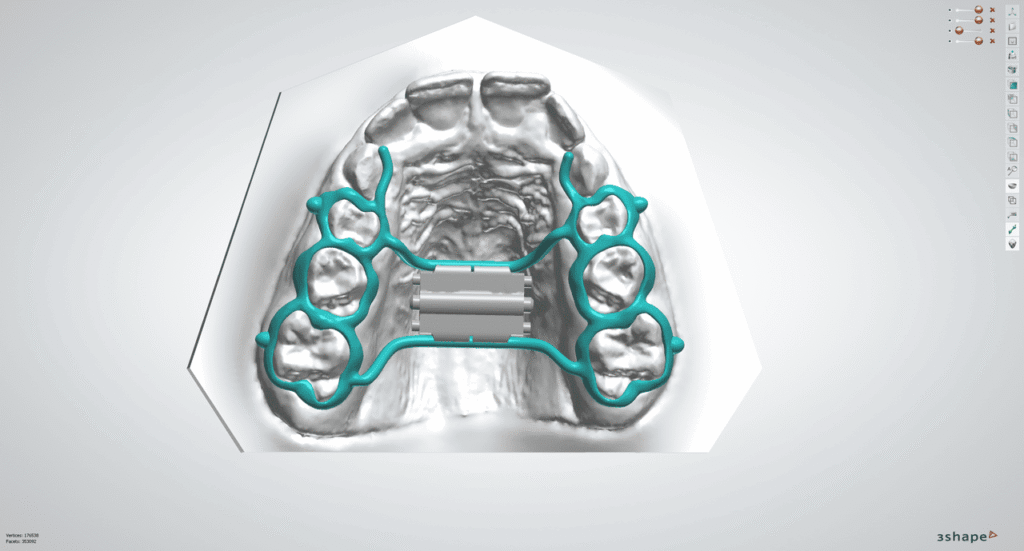
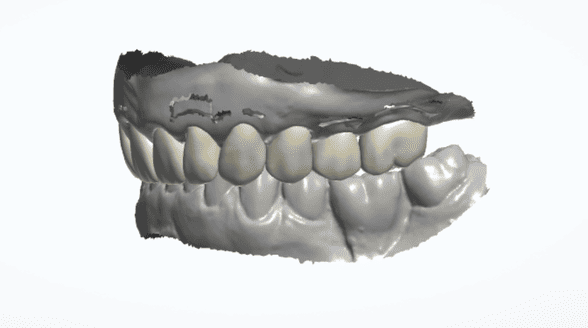
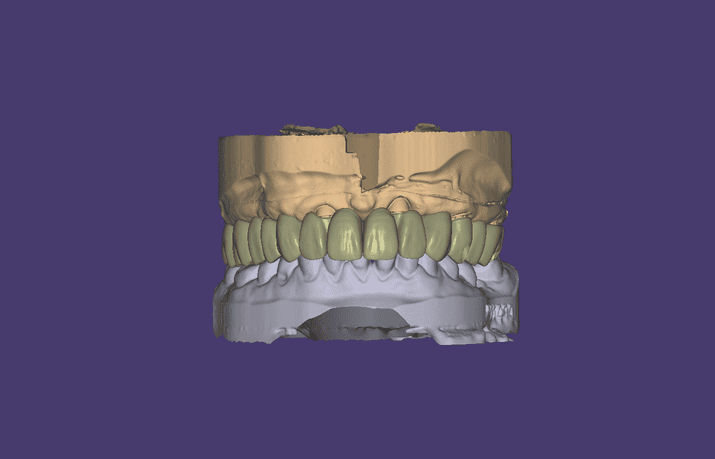
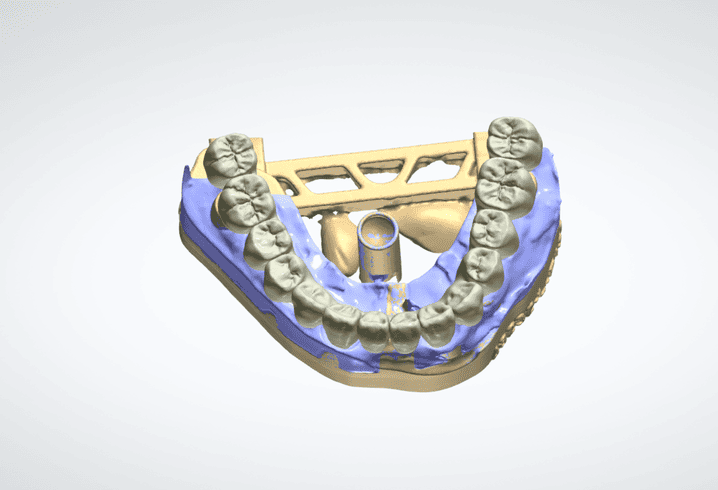
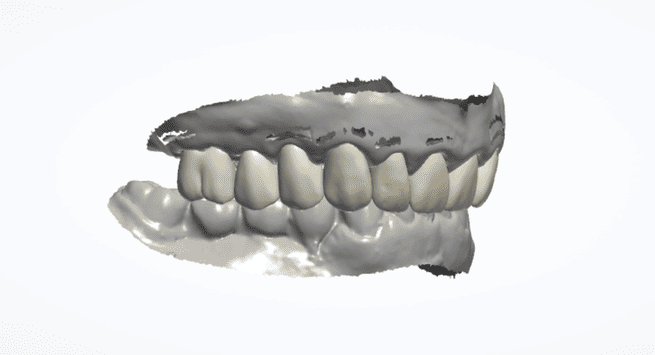
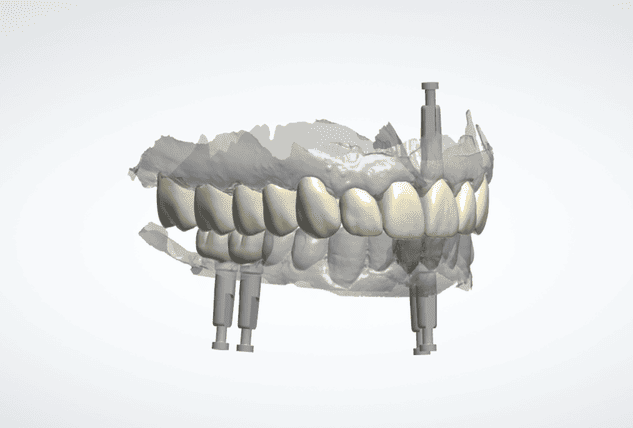
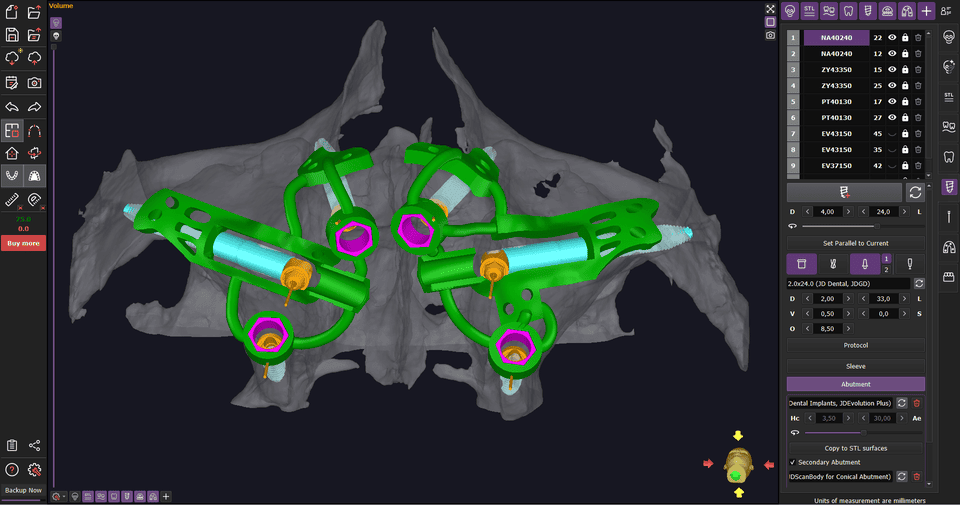
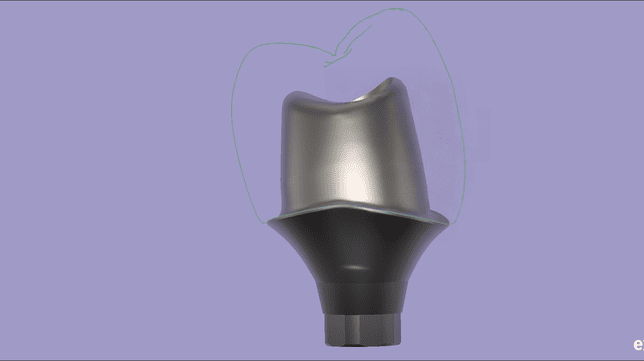
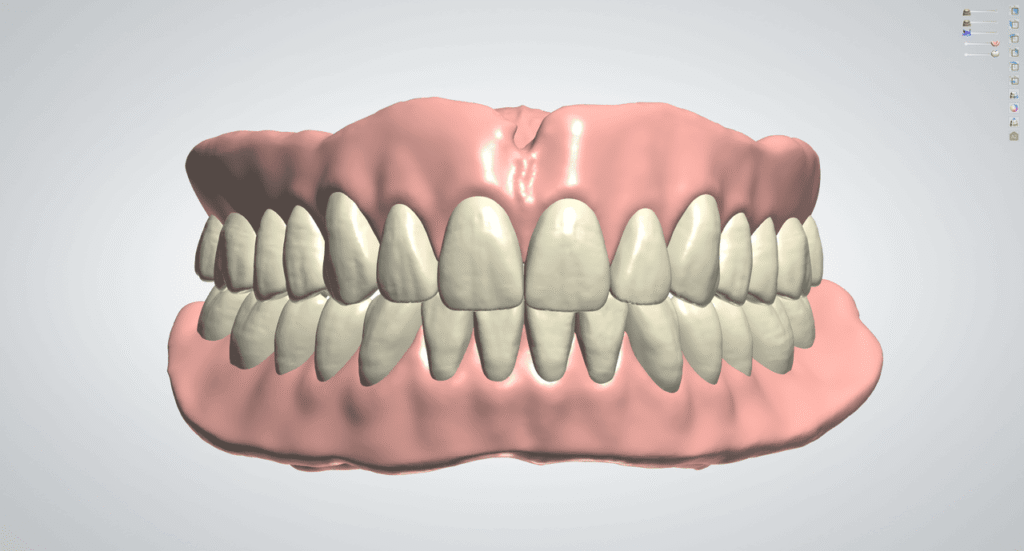
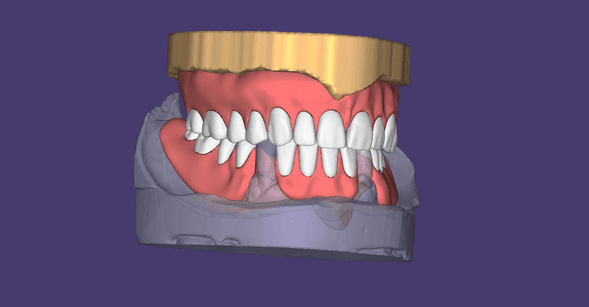
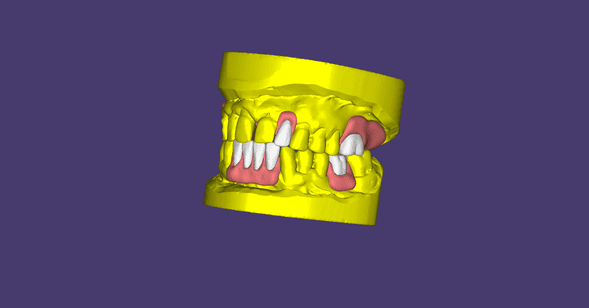
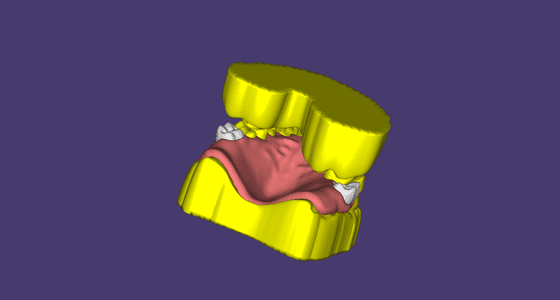
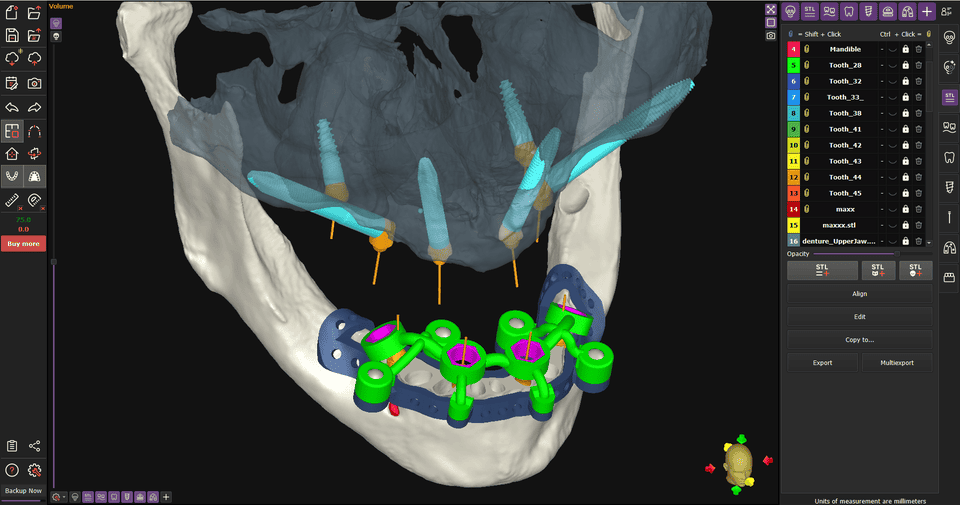
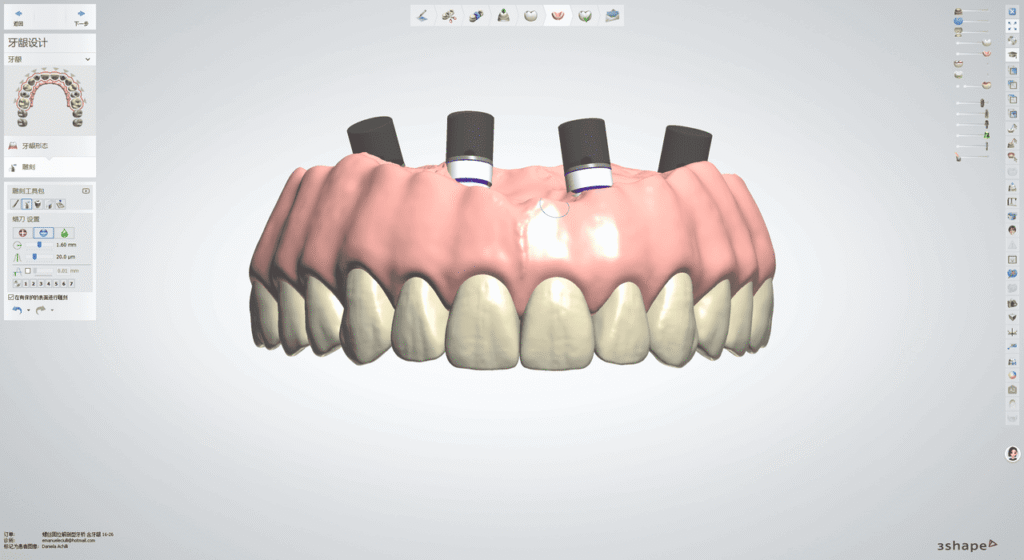
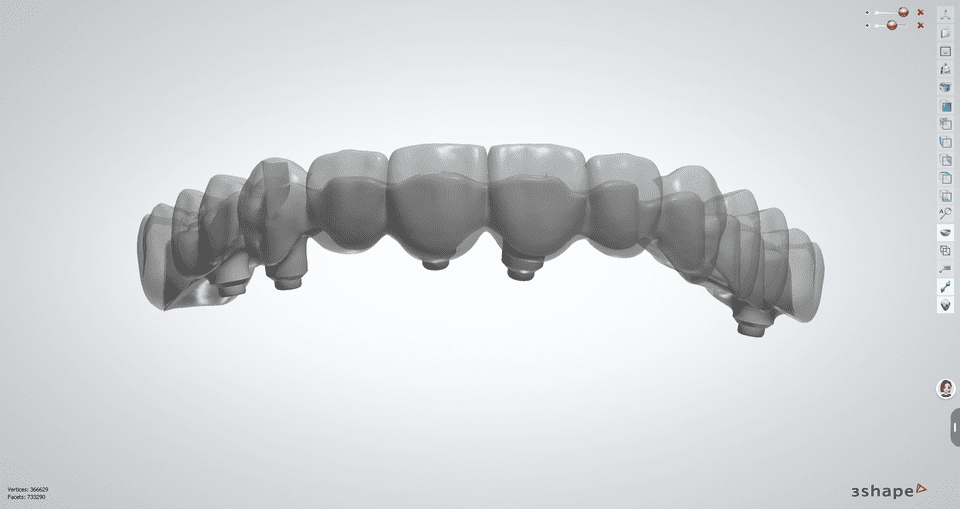
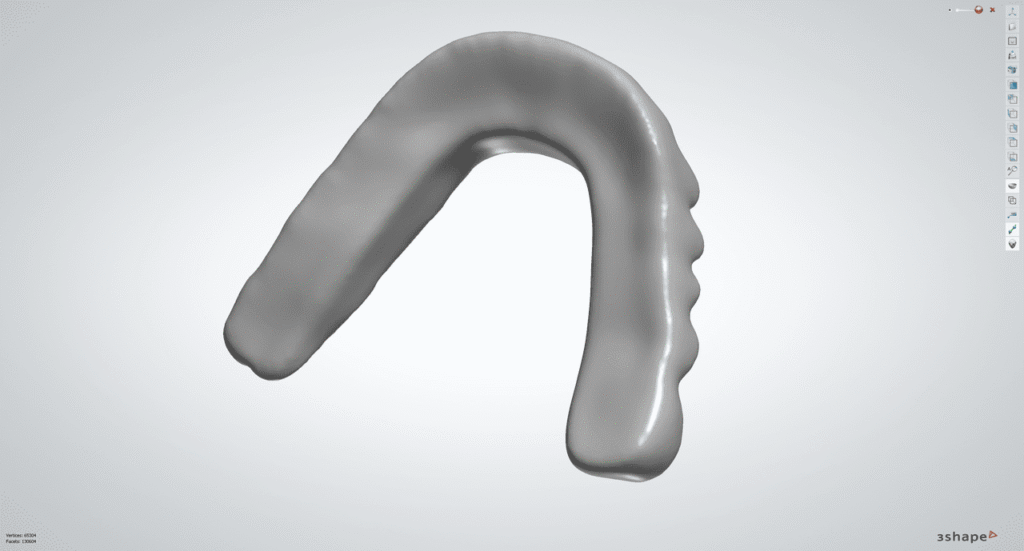
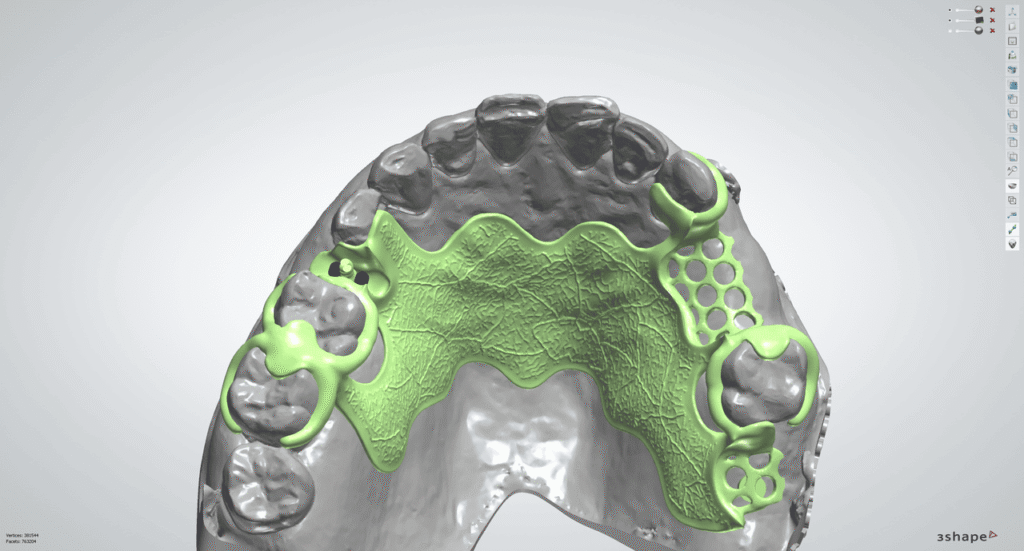
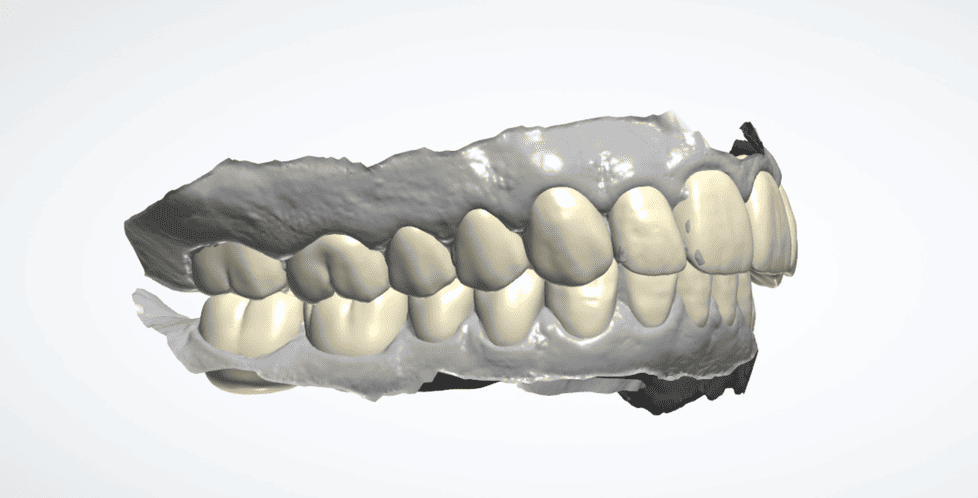
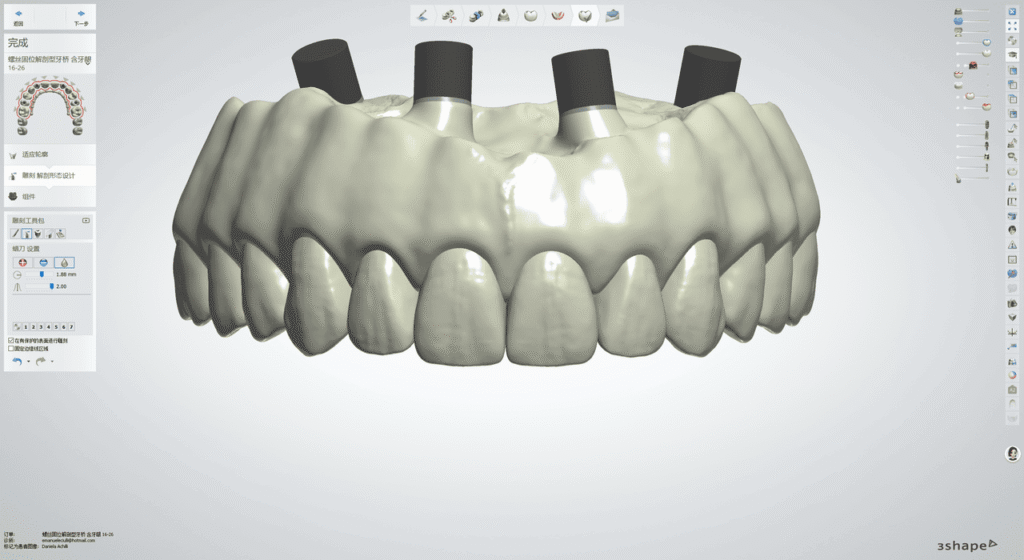
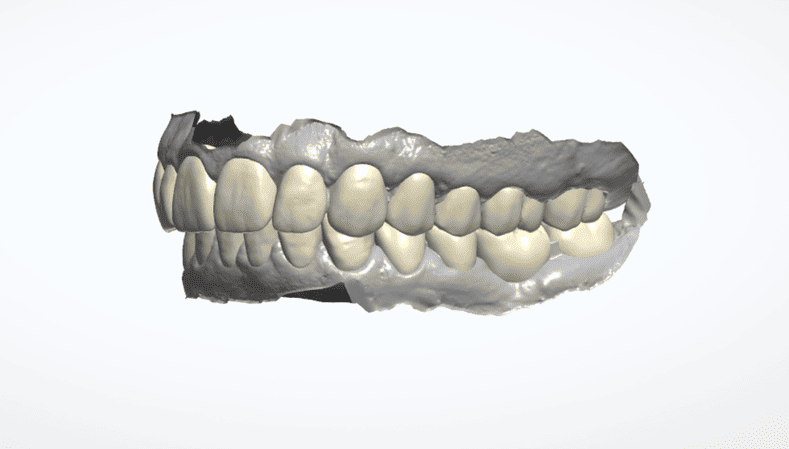
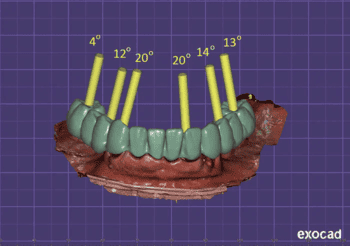
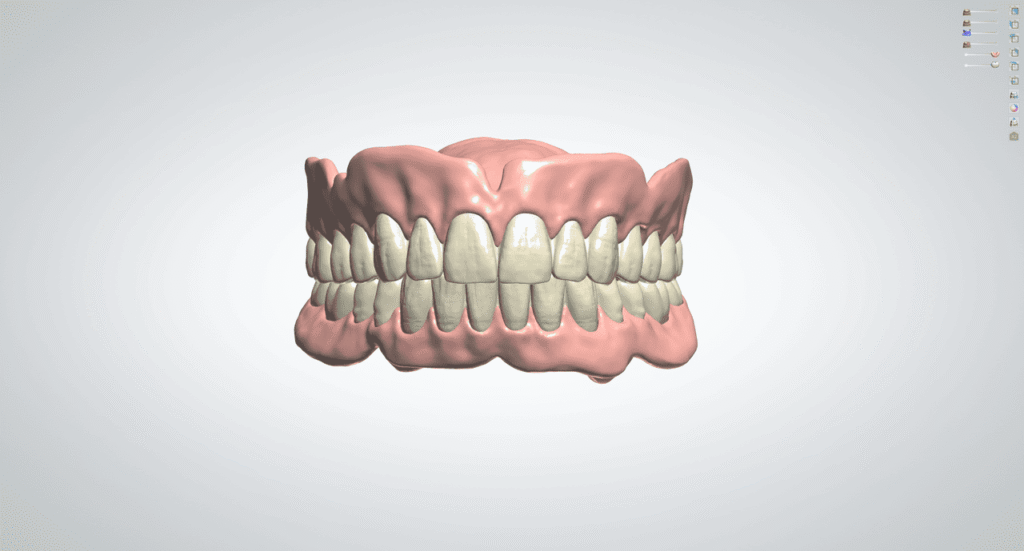
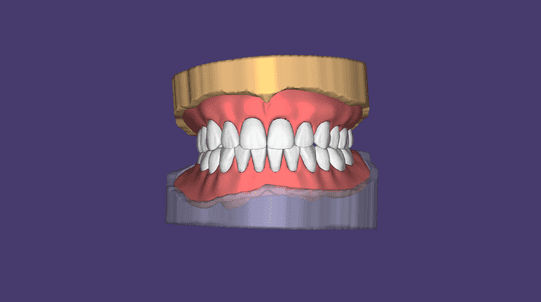
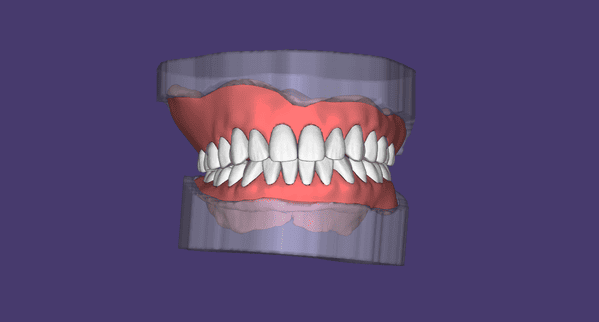
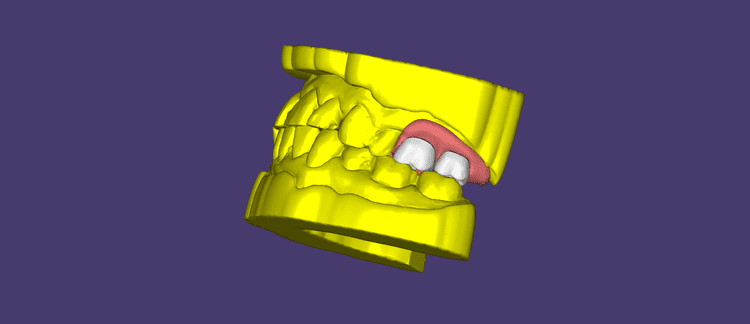
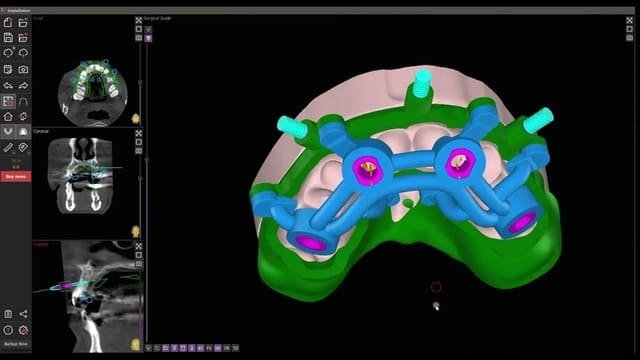
Explore a selection of dental CAD designs, from individual restorations to full-arch work. Click any image to view the design in detail.
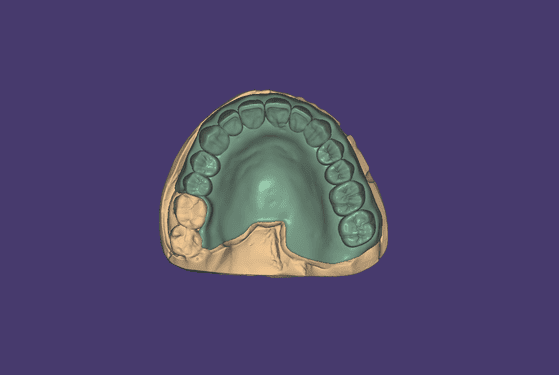
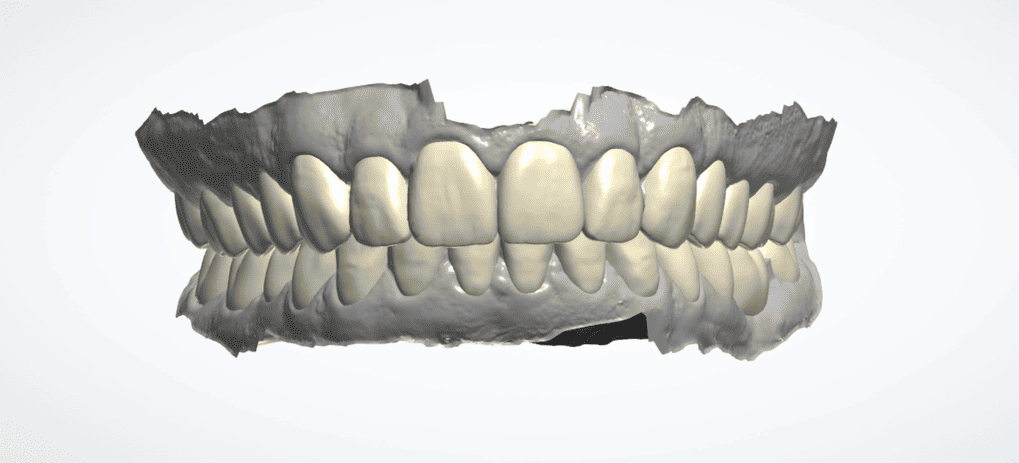
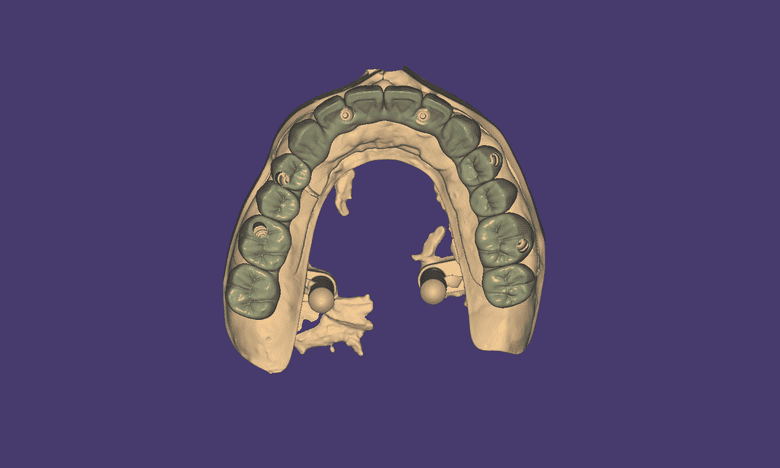
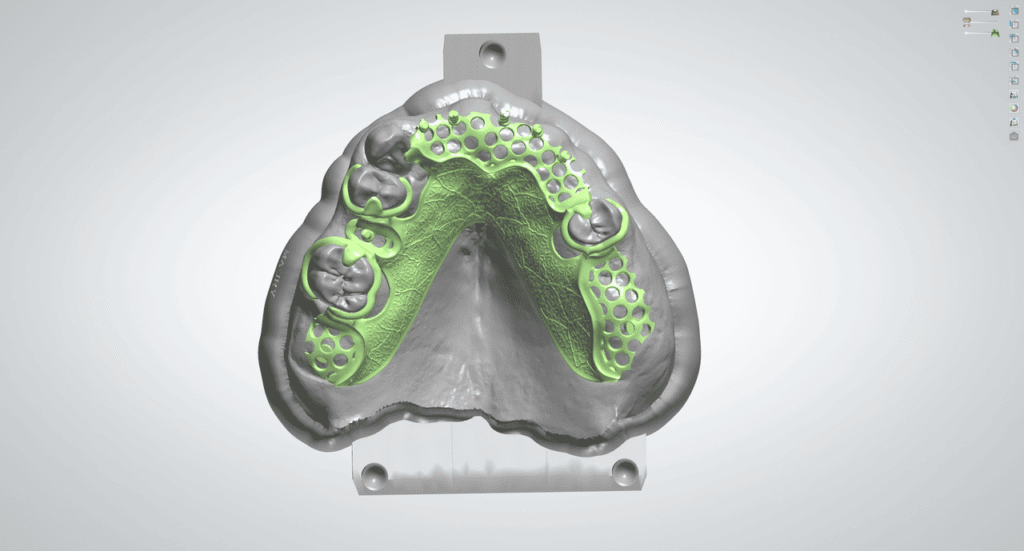
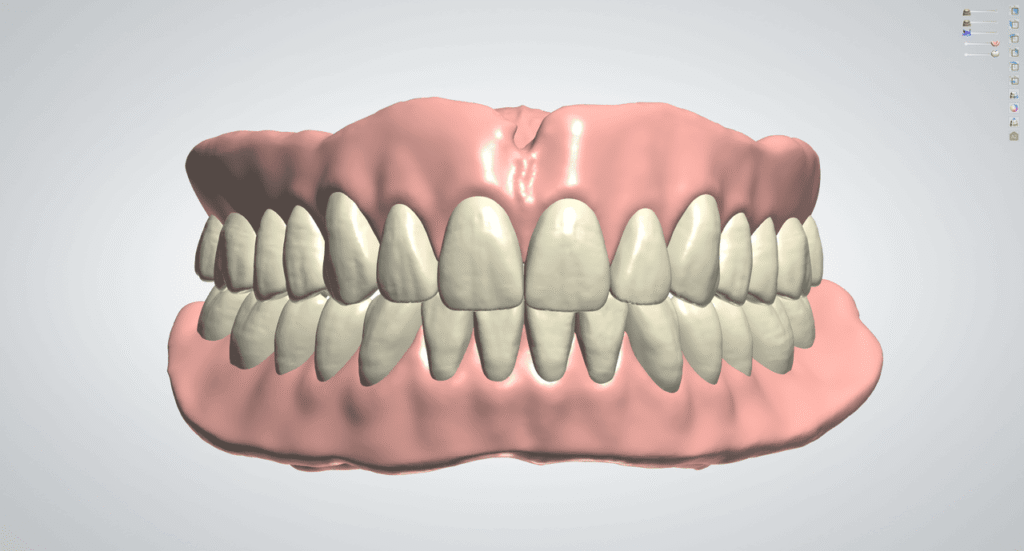
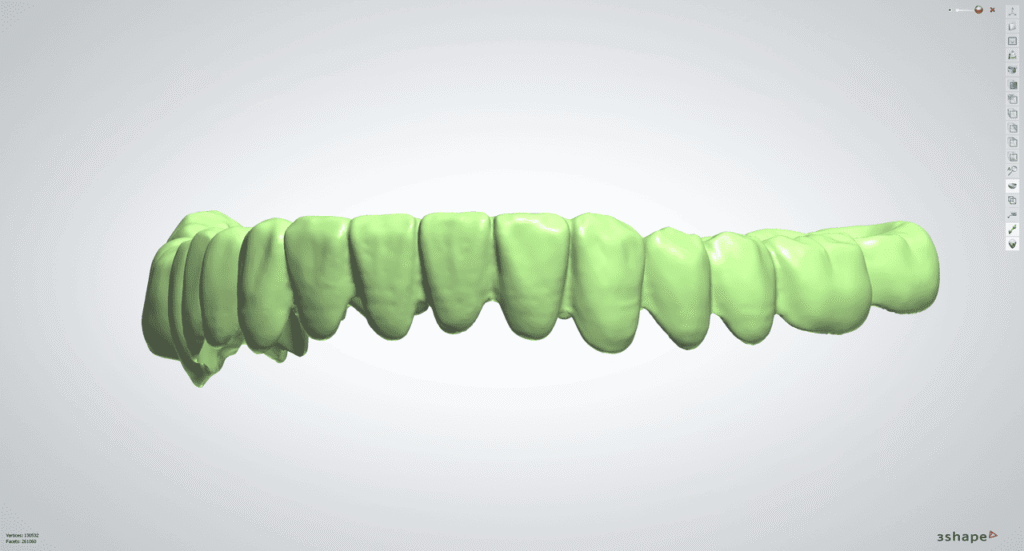
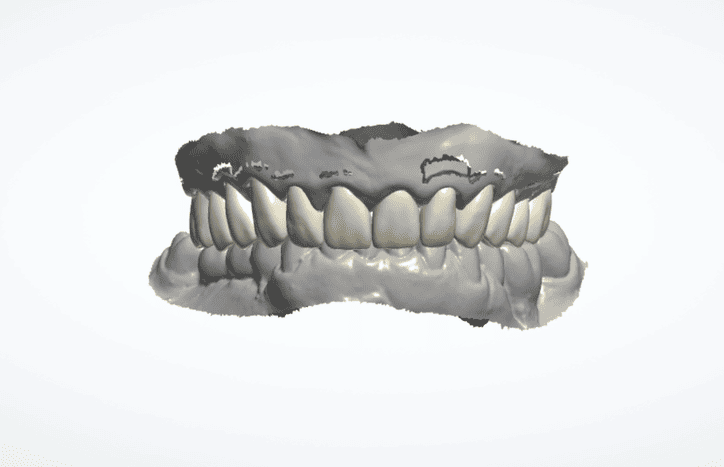
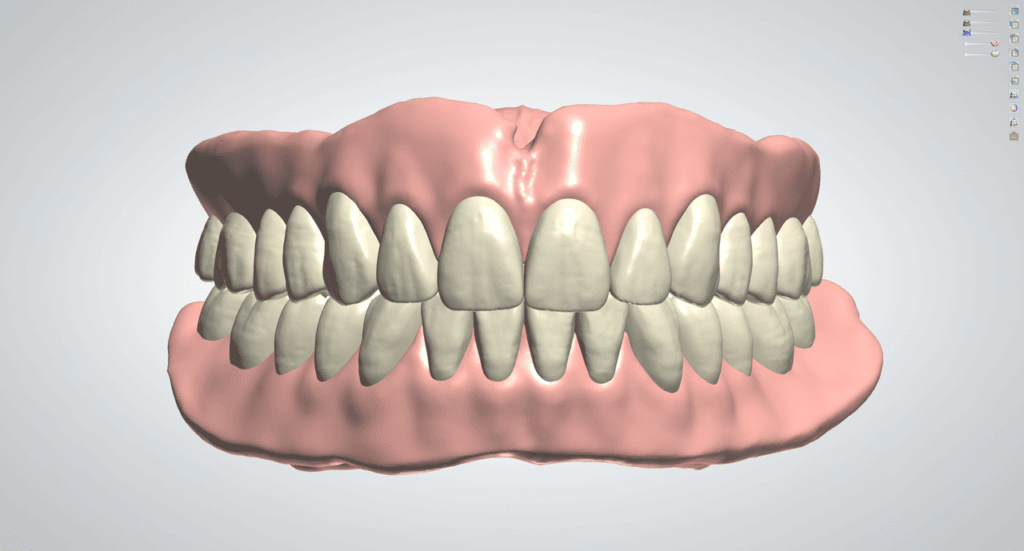
What You Gain by Working With Raytops
Simple Workflow, Easy Cooperation
From routine implant crowns to complex All-on-X restorations, our workflow covers case submission, component verification, CAD design, review, and final file delivery. Each case follows confirmed restorative requirements and your laboratory's manufacturing workflow.
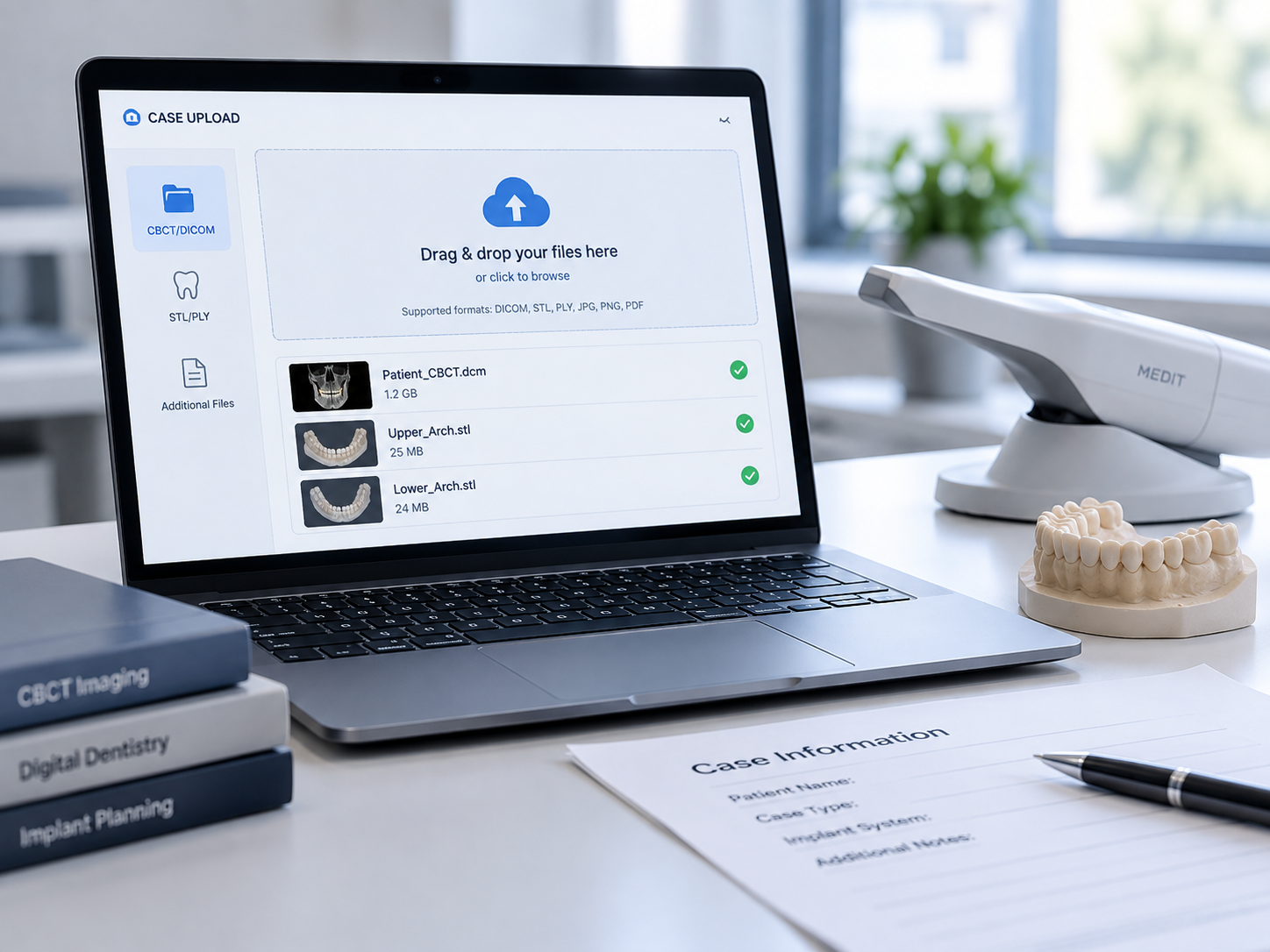
Submit Case Data
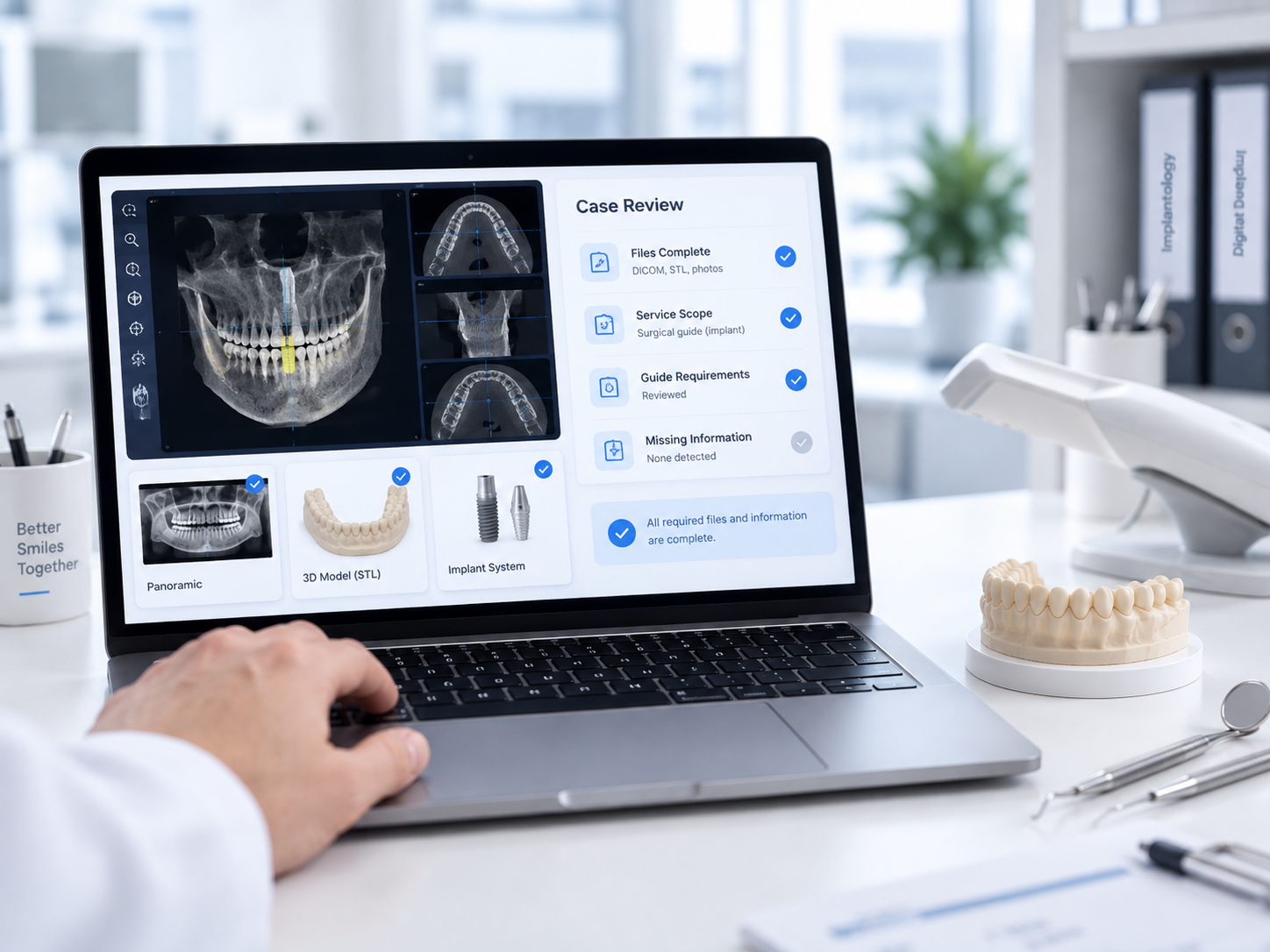
Case & Component Review
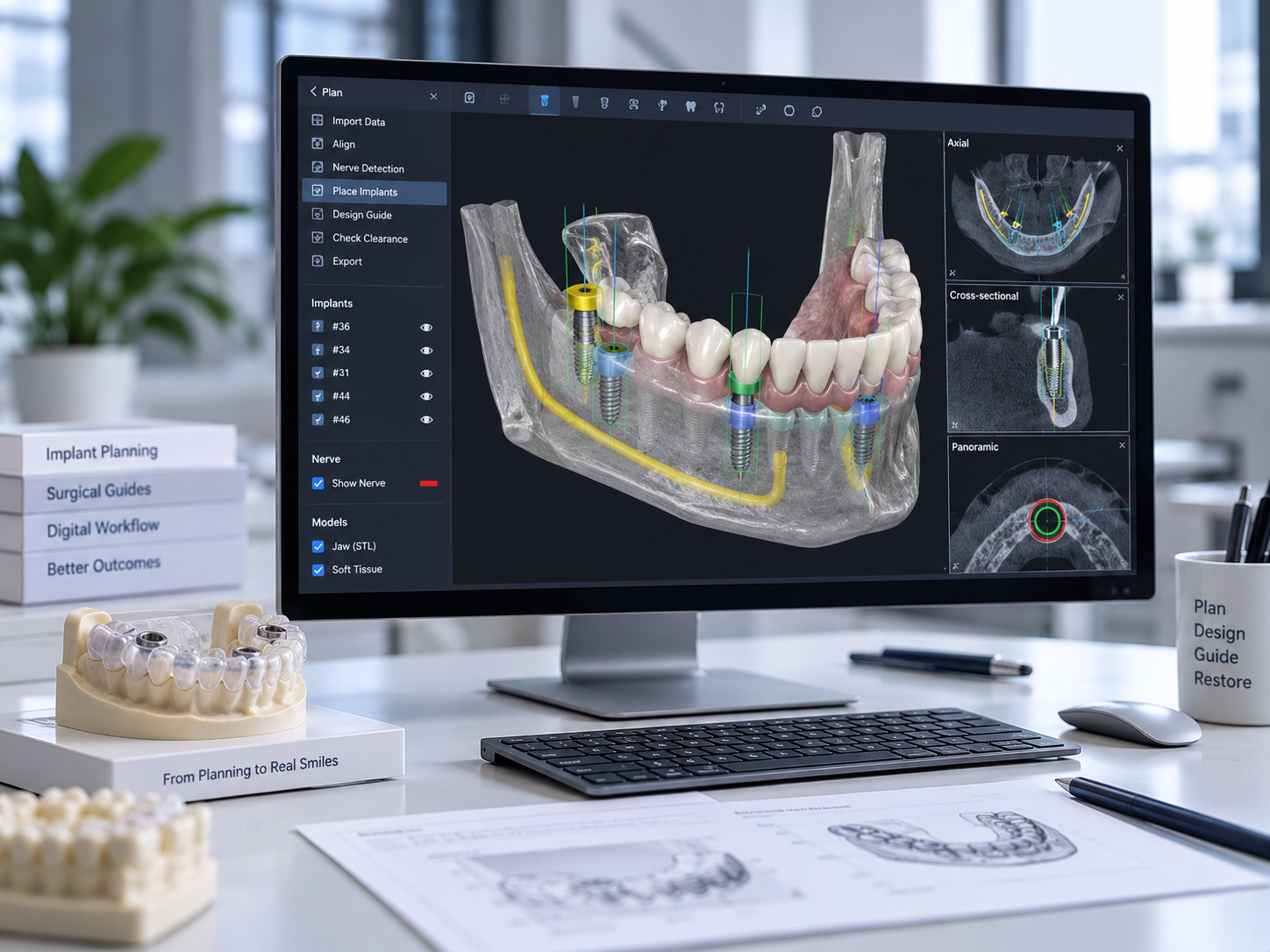
Implant CAD Design
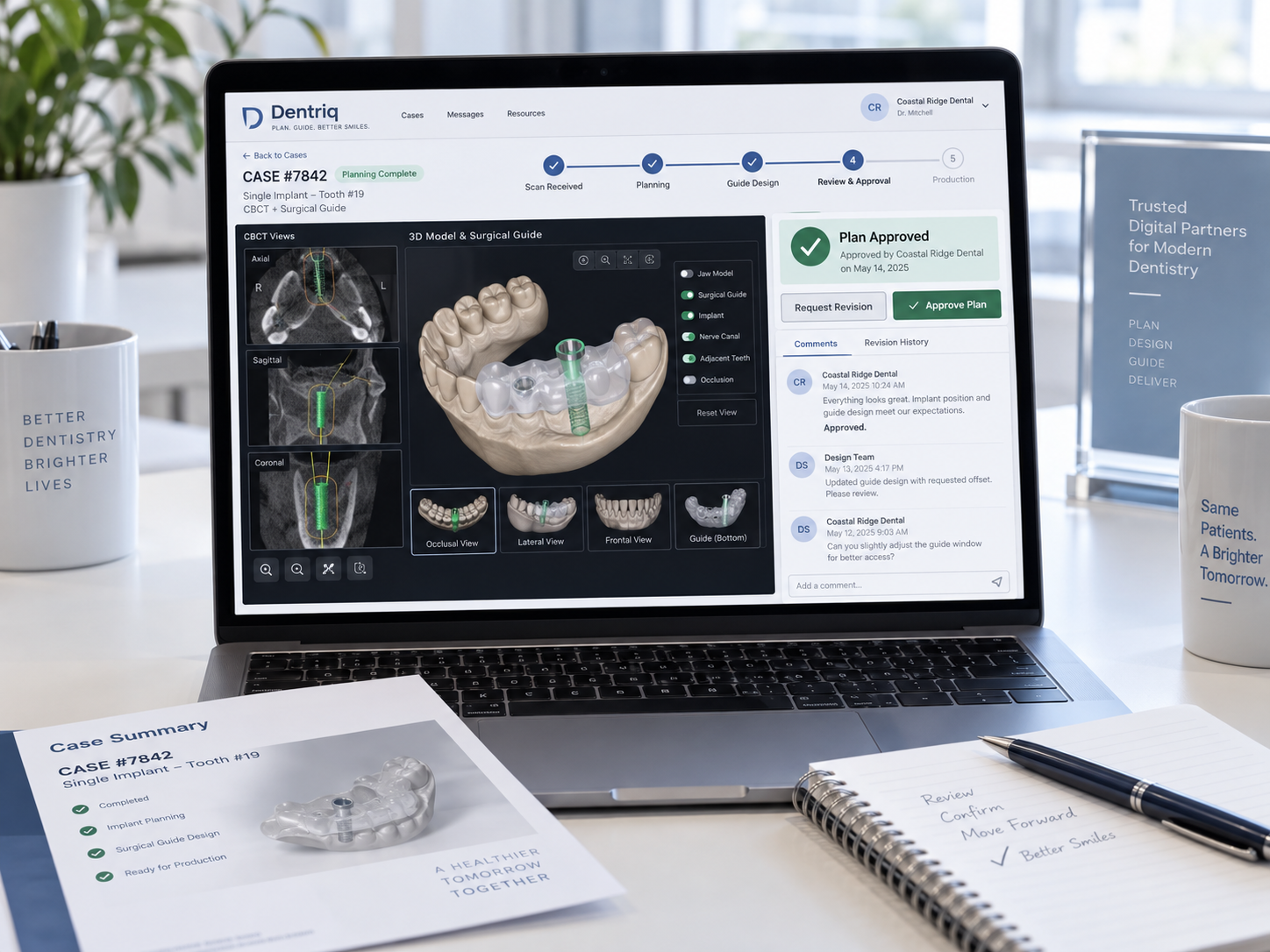
Design Review & Approval
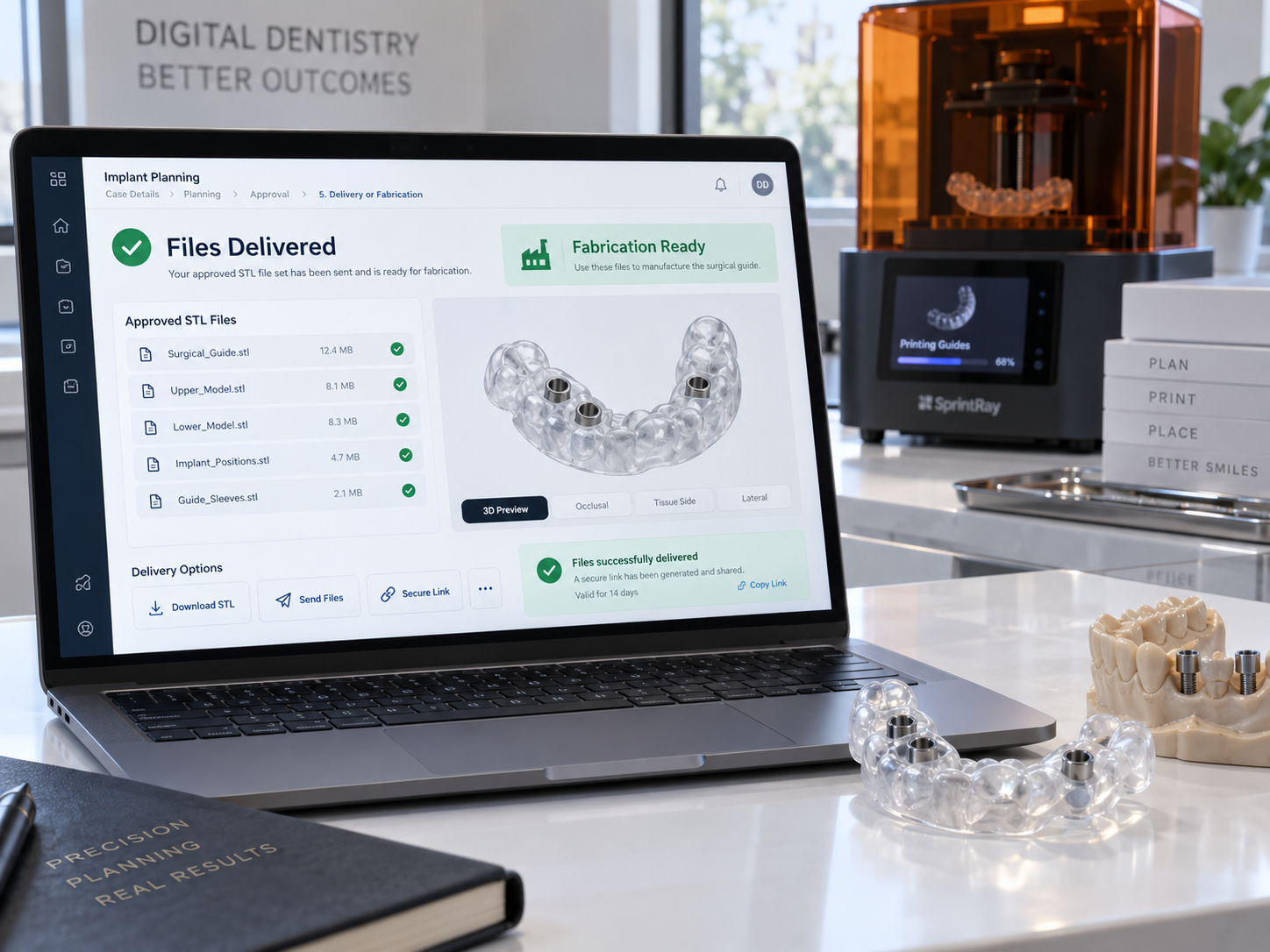
Final File Delivery
Questions About implant cad design outsourcing
Technical answers on implant components, CAD library compatibility, restorative design, and full-arch scanning accuracy.
Should Dental Labs Outsource Implant CAD Design or Hire an In-House Designer?+
Outsourcing can provide flexible capacity when implant case volumes fluctuate or specialized design work is needed. In-house designers offer direct control and may be more economical with consistently high workloads. The decision depends on case volume, restoration complexity, staffing costs, and the additional coordination required for external design.
Can Dental Labs Outsource Implant CAD Design While Keeping Manufacturing In-House?+
CAD-only outsourcing allows laboratories to retain control of milling, printing, finishing, and final quality verification. The external team prepares the restoration design and agreed files, while the receiving laboratory handles manufacturing. The design must match the intended components, materials, and production workflow.
Can Implant CAD Designs Created in exocad Be Used by a 3Shape Laboratory?+
Yes, for compatible downstream workflows, but file requirements matter. STL files can transfer restoration geometry for suitable manufacturing processes, while editable native projects generally depend on their original CAD environment. Cross-software compatibility should be confirmed before outsourcing, particularly when further design modifications are required.
What Makes All-on-X CAD Outsourcing Different From Single Implant Crown Design?+
All-on-X design involves multiple implant positions, MUA connections, full-arch occlusion, prosthetic structure, and more demanding manufacturing verification. Unlike a routine single crown, full-arch cases may require additional positional records, design approval stages, and coordination with the manufacturing laboratory.
What Is the Difference Between Implant CAD Design and Surgical Guide Design?+
Implant restorative CAD focuses on designing implant-supported crowns, bridges, abutments, full-arch prostheses, and bars. Surgical guide design supports implant placement based on approved implant planning, anatomical data, and the intended surgical protocol. They are separate services, although restorative planning and surgical planning may be coordinated.
A Deeper Guide to implant cad design outsourcing
Dental Implant CAD Design Outsourcing Services Eveluation
Dental implant CAD design outsourcing helps dental laboratories extend their design capacity for implant crowns, bridges, custom abutments, Ti-base restorations, and complex prostheses such as All-on-X and implant bars. Each restoration has different requirements for implant components, CAD geometry, and manufacturing compatibility.
For laboratories evaluating an implant CAD outsourcing service, the essential question is whether the provider can work with their actual implant systems, scan bodies, restorative components, and production workflow. A restoration can look correct in CAD but still require redesign if the component library is wrong or the delivered files do not meet manufacturing requirements.
A suitable partner should be able to confirm case compatibility before design, deliver files prepared for the agreed manufacturing process, and maintain consistent standards across regular orders. Representative trial cases, production feedback, and repeated delivery performance provide the most useful evidence.
Which Implant Restorations Can Be Outsourced for CAD Design?
Dental implant CAD outsourcing can cover single-unit and multi-unit restorations, custom abutments, and more complex implant-supported prostheses. The suitability of each case depends on its restorative configuration, component requirements, available design space, and intended manufacturing process.
For laboratories outsourcing several restoration types, confirming these conditions early helps distinguish cases that can enter a routine design workflow from those requiring additional technical review.
Single-Unit and Multi-Unit Implant Restorations
Single-unit and multi-unit restorations share fundamental CAD requirements, including occlusion, proximal contacts, anatomical contours, and material thickness. Their implant connections, retention methods, and structural requirements introduce additional design constraints.
| Restoration Type | Key CAD Design Requirements |
|---|---|
| Implant Crown / Ti-base Restoration | Specified Ti-base or connection, screw-access position, emergence profile, occlusion, proximal contacts, and available restorative space. |
| Implant Bridge | Multiple implant positions, connection components, connector or framework geometry, restorative space, and manufacturing requirements. |
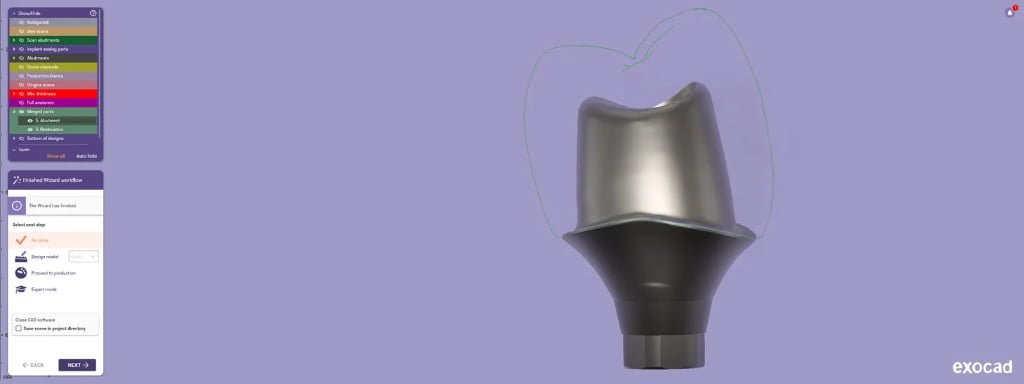
| Custom Abutment | Implant platform and connection, margin position, emergence profile, abutment geometry, and space for the final crown. |
| Screw-retained Restoration | Screw-access direction, compatible prosthetic components, material requirements, and any angulated screw-channel limitations. |
Screw-retained and cement-retained restorations also require different CAD decisions. Screw-retained designs depend on the access channel and compatible connection system. Cement-retained designs place greater emphasis on abutment geometry, retention form, margin location, and the planned cementation approach.
These options should follow the confirmed restorative prescription rather than being selected solely by the outsourced CAD designer.
Case complexity is not determined by the number of units alone. A single implant crown with an unidentified scan body may require more clarification than a multi-unit restoration with complete component information and an established production workflow.
For cases requiring individual abutment geometry, see Custom Abutment CAD Design Outsourcing.
Full-Arch / All-on-X and Implant Bar Designs
Full-arch restorations and implant bars involve additional relationships between implant positions, prosthetic geometry, restorative space, and manufacturing requirements.
Full-Arch / All-on-X Design
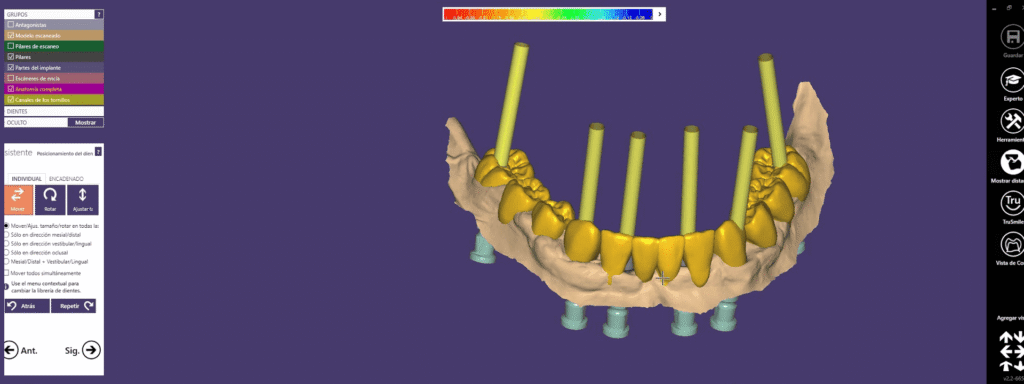
Full-arch CAD design requires reliable positional records for multiple implants, correctly identified multi-unit abutments (MUAs) where applicable, and sufficient information about jaw relationships and the intended prosthetic arrangement.
The design must coordinate tooth arrangement, occlusion, available restorative space, framework or prosthetic structure, material selection, and the intended manufacturing method.
The accuracy of the underlying implant-position record is especially important. CAD adjustments cannot independently correct inaccurate multi-implant scan data. Some cases therefore require additional verification of the positional records before the design or manufacturing stage can proceed reliably.
Implant Bar Design
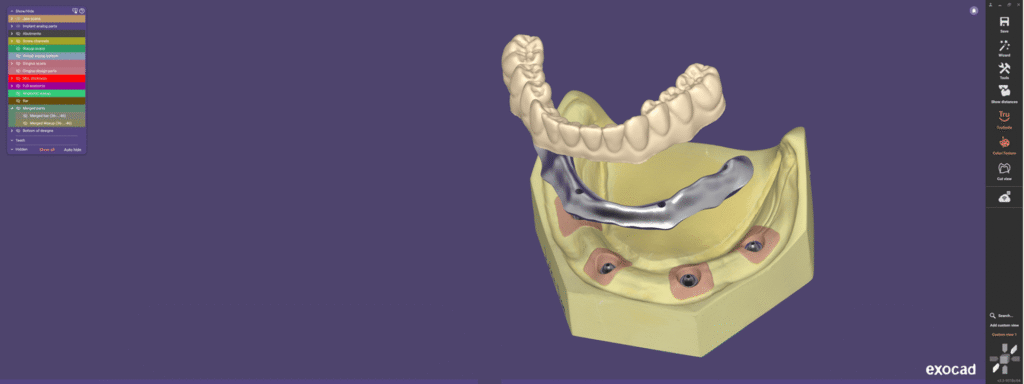
Implant bar CAD design coordinates implant-level or MUA-level connections with the bar geometry, prosthetic space, and manufacturing process.
Depending on the restoration, the design may incorporate attachment interfaces, retention elements, insertion requirements, tissue-facing contours, and clearance for an overlying prosthesis.
These requirements are interconnected. Changing attachment placement may affect prosthetic space and bar dimensions, while changes to the bar contour may influence clearance, retention, or manufacturing feasibility.
For more specific technical considerations, see Implant Bar CAD Design Outsourcing.
Both full-arch and implant bar cases may require additional component confirmation, design approval, and production-side verification. Support for a restoration category should not be taken as confirmation that every implant connection, attachment, or manufacturing configuration is supported.
exocad’s Implant Module and Bar Module illustrate the different CAD functions involved in these restorative workflows.
Implant planning and surgical guide design are related but separate services. They address implant positioning and surgical guidance before restoration, while restorative CAD focuses on prosthetic geometry and manufacturing requirements. Raytops provides Surgical Guide Design as a separate service.
How to Verify Implant System and CAD Library Compatibility
Implant CAD compatibility depends on the relationship between the physical implant components, scan body, CAD library, restorative components, and intended manufacturing process.
Using exocad or 3Shape does not automatically establish compatibility with every implant platform or restorative configuration. An incorrect library or connection can affect the restoration even when the visible crown anatomy looks correct.
Implant Platforms, Scan Bodies, and Library Matching
The same implant manufacturer may offer multiple platforms, connection geometries, and scan body configurations. The manufacturer’s name alone is therefore insufficient to identify the correct CAD library.
The physical scan body must correspond to the implant platform or MUA used in the case. Its manufacturer, model, and compatible library are needed to establish the intended digital position and orientation of the implant connection.
A reliable matching process includes:
- Confirming the implant system, platform, and relevant connection.
- Identifying the actual scan body or MUA-level scanning component.
- Selecting the corresponding CAD library and checking software compatibility.
- Matching the scanned geometry to the library reference and reviewing the result for discrepancies.
Scan quality is a separate requirement. Incomplete scan body geometry, scanning distortion, or unreliable matching may introduce positional uncertainty even when the correct library has been selected.
A 2023 peer-reviewed paper, Digital Workflow in Implant Prosthodontics: The Critical Aspects for Reliable Accuracy, identifies scan body selection, scanning strategy, and CAD matching as factors affecting digital implant-position accuracy.
The essential component relationship is:
Implant Platform → Physical Scan Body / MUA → CAD Library → Restorative Component → Manufacturing Process
Each stage must correspond to the actual case configuration. Correct library matching is necessary, but it does not independently establish the accuracy of the original scan.
Ti-base, MUA, and Manufacturing Compatibility
After the digital implant position has been established, the restorative components must also match the planned design.
For a Ti-base restoration, the selected library geometry must correspond to the actual titanium base, including its connection interface and relevant dimensional constraints. Changing the Ti-base may affect the internal restoration geometry, screw-access conditions, and available restorative space.
For MUA-level restorations, the design must use the correct multi-unit interface and compatible prosthetic components. Implant-level and MUA-level connections are different configurations and cannot be treated as interchangeable.
Manufacturing introduces another set of constraints. Materials, geometry, screw-access design, and component interfaces must meet the requirements of the intended milling or printing workflow.
Three forms of compatibility should be distinguished:
| Compatibility | What It Establishes |
|---|---|
| Software Compatibility | The CAD software can recognize and use the required library or project resources. |
| Component Compatibility | Digital components correspond to the actual implant, scan body, Ti-base, MUA, or other restorative components. |
| Manufacturing Compatibility | The approved geometry and files meet the specified production requirements. |
These are related but separate conditions.
For example, a restoration may be designed using an available Ti-base library but still require correction if the manufacturing laboratory intends to use a different Ti-base model.
The exocad Implant Library Directory distinguishes scan bodies, titanium bases, multi-units, and other prosthetic components. It also notes that library compatibility can depend on the installed software version.
When critical components change after the initial design, the affected connection geometry, restorative space, screw-access conditions, and manufacturing requirements need to be reviewed again.
What Happens When Component Information Is Missing or Incorrect?
Not every missing detail prevents design work from proceeding. Missing information becomes critical when it affects implant position, connection geometry, or the selected restorative components.
| Component Issue | Appropriate Action |
|---|---|
| Implant brand known, but platform or connection unidentified | Confirm the specific implant platform and relevant connection before library selection. |
| Scan body manufacturer or model unclear | Identify the actual component and matching library; do not rely on visual similarity. |
| Scan body matching fails or appears inconsistent | Check the scan record, component identification, library selection, and matching result. Request corrected data where necessary. |
| Required library unavailable or incompatible | Check the required library and software versions, then determine whether a validated alternative workflow exists. |
| Ti-base, MUA, or another critical component changes | Recheck the affected connection geometry, design, and manufacturing requirements before release. |
Some problems can be resolved by confirming a component reference or installing the appropriate library. Others may require new scan data or a revised restorative configuration.
An uncertain implant connection cannot be made reliable merely by adjusting the visible crown geometry. The underlying component relationship must be resolved before the affected design can be approved for manufacturing.
What Makes an Implant CAD Design Ready for Production?
An implant CAD design is ready for production when the case requirements and components have been confirmed, the restoration has passed the applicable CAD checks, and its approved files meet the receiving laboratory’s manufacturing requirements.
A successful CAD preview or STL export is not sufficient on its own. The design must be evaluated against the intended components, restorative conditions, materials, and production workflow.
CAD Quality Checks for Different Implant Restorations
Implant CAD quality control must reflect the restoration type, retention method, component system, and manufacturing requirements. A universal checklist with fixed parameters cannot address every implant configuration.
| Restoration Type | Critical CAD Quality Checks |
|---|---|
| Implant Crown / Ti-base | Screw-access position, emergence profile, contacts, occlusion, restorative space, material thickness, and Ti-base compatibility. |
| Implant Bridge | Multiple implant positions, connection components, connector or framework geometry, insertion requirements where applicable, and manufacturing constraints. |
| Custom Abutment | Implant connection, abutment geometry, margin location, emergence profile, retention form, and space for the final restoration. |
| Full-Arch / All-on-X and Implant Bar | Implant or MUA interfaces, prosthetic arrangement, framework or bar geometry, attachment interfaces where applicable, and manufacturing requirements. |
Retention method changes the necessary checks.
For screw-retained restorations, screw-access position must be evaluated against the connection system, restorative anatomy, and selected components. Angulated screw channels can provide additional design options, but their use is subject to the component manufacturer’s supported configurations and limitations.
Cement-retained restorations require greater attention to abutment geometry, margin location, retention form, and the planned cementation conditions. Margin decisions involving soft tissue and cement removal must remain consistent with the approved clinical requirements.
Emergence profile design also requires case-specific judgment. Implant position, soft-tissue conditions, restorative contours, available space, and cleansability affect the appropriate geometry. There is no basis for applying one fixed emergence angle to every CAD restoration.
Material and manufacturing requirements must be checked alongside the geometry. Sufficient apparent space in a CAD preview does not automatically establish that the selected material and production system can manufacture the restoration as intended.
STL, Native CAD Projects, and Component Files
CAD deliverables should be defined according to the receiving laboratory’s next step.
A laboratory milling a finalized crown may require different files from one that needs to modify the design, manufacture components separately, or approve the restoration before fabrication.
| Intended Use | Required CAD Deliverables |
|---|---|
| Milling or 3D Printing | STL or other compatible mesh files prepared for the agreed manufacturing workflow. |
| Further CAD Editing | Native project files with the required software, library, and design dependencies. |
| Separate Component Manufacturing | Individually exported, clearly identified component files with their necessary alignment and coordinate relationships preserved. |
| Design Review and Approval | A reviewable CAD project or 3D preview linked to the correct case and design version. |
An STL file represents surface geometry but normally does not preserve the full parametric design history, component information, or editable project structure.
Native CAD projects can retain additional design information, although their editability depends on software versions, modules, libraries, and other dependencies. A native file should not be assumed to be fully editable in every CAD environment.
For complex implant restorations, file separation and organization are especially important when different components require different production methods.
Deliverables should therefore be agreed upon before design begins, including file formats, component separation, native project requirements, and the version authorized for manufacturing.
This distinction is reflected in 3Shape’s Design Services, which describe the delivery of editable design files and STL files for downstream production.
CAD Review vs. Manufacturing and Clinical Verification
CAD review, manufacturing verification, and clinical verification assess different aspects of restoration quality. Passing one stage does not eliminate the need for checks at the next stage.
CAD Review
The design team checks whether the restoration follows the confirmed Rx, implant components, available scan data, and design specifications.
This may include occlusion and contacts based on the supplied records, screw-access position, restorative geometry, material thickness, and relevant structural requirements.
However, CAD review depends on the accuracy of the original scan and component information. It cannot independently establish implant-position accuracy or verify clinical conditions that were not captured.
Manufacturing Verification
The receiving laboratory or manufacturing partner checks the approved files against the actual CAD/CAM workflow, including material requirements, milling or printing limitations, component compatibility, and relevant manufacturing tolerances.
Where appropriate, the manufactured restoration may also require dimensional, assembly, or physical fit checks.
A design that passes CAD review may still require correction because of machining limitations, manufacturing deviations, or differences between the specified and actual components.
Clinical Verification
Final seating, intraoral contacts, functional occlusion, soft-tissue response, and clinical suitability require assessment in the appropriate clinical setting.
For example, a full-arch framework may appear correctly aligned in CAD while inaccurate underlying implant-position records affect the fit of the manufactured restoration.
When a problem is identified, the relevant question is where it originated: the original data, component selection, CAD geometry, or manufacturing process. Each cause requires a different corrective action.
A production-ready CAD deliverable meets the agreed design and manufacturing handoff requirements. It is not a guarantee of final manufactured fit or clinical performance.
At Raytops, implant CAD design requirements are checked against the client’s Rx, submitted scan data, and implant component information. The completed design is reviewed against the confirmed requirements before delivery.
Deliverables include STL files, an online 3D preview link, and any additional files required for the agreed manufacturing workflow.
How Implant CAD Cases Are Submitted, Reviewed, and Revised
An effective implant CAD outsourcing workflow connects case submission, component verification, design review, revisions, and final approval.
For laboratories sending regular cases, the process also needs to preserve agreed design preferences without allowing routine defaults to override important case-specific instructions.
Case Files and Instructions Required Before Design
An implant CAD case must establish what is being designed, which scan and component records support the design, what restorative requirements apply, and how the resulting files will be manufactured.
| Information | What Needs to Be Confirmed |
|---|---|
| Case Identification and Rx | Case number, tooth positions, restoration type, retention method, material, and special instructions. |
| Scan Records | Working and opposing scans, bite registration, scan body records, and any relevant tissue or restorative references. |
| Implant Components | Implant system, platform, scan body, Ti-base or MUA, and corresponding CAD library where applicable. |
| Design Requirements | Occlusion, proximal contacts, restorative contours, screw-access requirements, and lab-specific preferences. |
| Manufacturing and Deliverables | Intended production method, required files, separated components, and approval requirements. |
Different restorations need different information.
A routine implant crown may proceed with complete scanning records, confirmed components, and a clear prescription. Custom abutments may require additional soft-tissue references or margin instructions. Implant bridges and All-on-X cases may require more extensive implant-position records, jaw relationships, and structural information.
Missing details should be handled according to their technical significance.
An unspecified contact preference may be resolved through an agreed laboratory default. An unknown implant platform, uncertain scan body, or unreliable position record cannot be replaced by an assumption.
Identifying these issues before design prevents unresolved component or clinical questions from being carried into the production stage.
Design Review, Revisions, and Final Approval
Each design should be reviewed against its confirmed Rx, component configuration, and specific CAD version.
Revision instructions should identify the case, version, problem location, and required adjustment.
For example, “Reduce the mesial contact on tooth 36 in V1” is more actionable than “Make the contact looser.”
The cause of the revision also determines the appropriate response.
Changing a contour to meet an established preference is different from redesigning a restoration because the Ti-base or retention method has changed. The latter may require renewed component matching, geometric checks, or manufacturing confirmation.
After the requested adjustments, the receiving laboratory should verify the updated design and confirm which version is approved for production. Final STL files, native projects, and separated components must correspond to that approved version.
Manufacturing feedback should remain associated with the relevant case and design version so that any required correction can be traced to its source.
Maintaining Consistent Design Preferences Across Cases
For recurring implant CAD work, previously approved preferences can become reusable working standards.
These may include proximal contact tightness, occlusal contact preferences, anatomical contours, emergence profiles, file naming, component separation, and review conventions.
Once agreed, similar cases can follow the same standards without requiring the laboratory to repeat routine instructions.
However, case-specific Rx requirements, different materials, unusual implant positions, or changes in restorative components must take precedence over general preferences.
Production feedback can also improve these standards. Repeated requests for the same contact adjustment, for example, may indicate that the established default needs clarification.
Recording the agreed correction helps the design team apply it consistently to later cases, including those handled by different designers.
Comparing Implant CAD Outsourcing Prices and Turnaround Times
Implant CAD outsourcing prices and delivery times vary with restoration type, component requirements, case complexity, and deliverables.
A per-unit quote for a routine implant crown is not directly comparable with a custom abutment, implant bridge, full-arch restoration, or implant bar.
Meaningful comparison requires equivalent case scope, output requirements, revision conditions, and delivery expectations.
What Is Included in the Design Price?
Implant CAD services may be billed per tooth, unit, case, or arch. The billing method matters because design complexity is not always proportional to the number of teeth.
| Restoration Type | Pricing Considerations |
|---|---|
| Implant Crown / Ti-base | Confirm whether the price includes the specified connection, screw-access design, and required output files. |
| Implant Bridge | Clarify how abutment units, pontics, multiple connections, and framework requirements are counted. |
| Custom Abutment | Check whether the abutment and overlying crown are priced separately or together. |
| Full-Arch / All-on-X | Confirm whether pricing is per arch or case and which prosthetic structures and components are included. |
| Implant Bar | Confirm the bar configuration, attachment scope, connection components, and manufacturing-specific design requirements. |
The quotation should also establish whether normal revisions, native CAD projects, separated components, and additional design reviews are included. Rush work or complex configurations may be subject to separate terms.
The practical cost of outsourcing includes more than the design fee. Internal review time, revision handling, and manufacturing rework may increase the total cost of a case.
A lower quotation can lose its advantage when repeated corrections consume internal resources. Conversely, a higher design fee offers no automatic benefit unless the additional service reduces actual work or risk.
For relatively standardized, high-volume cases, unit pricing may carry greater weight. For complex implant connections or restorations with costly production consequences, component accuracy and manufacturing compatibility may be more important.
First Design Turnaround vs. Final Approved Delivery
Published turnaround times often describe the first completed design rather than the final files approved for manufacturing.
First Design Turnaround measures the time from an agreed starting point to the initial CAD delivery. That starting point should be clearly defined, particularly when scan records, components, or essential instructions are incomplete.
Final Approved Delivery includes any required design review, revisions, and confirmation of the files authorized for production. Its timing may also depend on how quickly the receiving laboratory provides feedback.
For example, a routine implant crown with confirmed scan body and Ti-base information may enter the design queue immediately. A multi-unit bridge with uncertain connections may require clarification before meaningful design work can proceed.
When comparing turnaround terms, laboratories should confirm:
- When the delivery clock begins.
- Whether the quoted time covers the first design or final approved files.
- How incomplete data and revision requests affect delivery.
- Whether complex restorations and urgent cases follow different schedules.
A quoted 12-hour or 24-hour service is useful only when these conditions are clear. Laboratories scheduling milling or printing need to know when usable, approved files are likely to become available.
Capacity for Regular and Urgent Implant Cases
Ongoing outsourcing requires capacity that matches the actual case mix, not merely a general claim about the number of units a provider can design.
A team handling many routine implant crowns may not have equivalent capacity for custom abutments, multi-unit bridges, full-arch prostheses, or implant bars.
For regular work, laboratories should confirm the expected daily or weekly volume, the distribution of restoration types, and how the delivery schedule will be managed when demand increases.
Urgent orders require separate arrangements. A straightforward case with complete component information may be suitable for priority scheduling, while a complex restoration may still depend on technical clarification or approval.
Completing a single urgent case successfully does not establish sustained high-volume capability.
Commercial suitability is therefore best judged through case-specific pricing, usable delivery times, and capacity demonstrated under the intended workload.
How to Test an Implant CAD Outsourcing Partner with Real Cases
Real implant CAD cases provide stronger evidence of supplier suitability than software listings, design screenshots, or sample portfolios alone.
A useful trial should show whether the provider can work with the laboratory’s components, follow its restorative requirements, deliver usable manufacturing files, and manage corrections when needed.
Supplier evaluation is most effective when it progresses from basic compatibility checks to representative cases, production verification, and repeated delivery.
Choose Trial Cases That Match Your Actual Work
Trial cases should reflect the restorations, implant systems, and manufacturing workflows the laboratory currently handles or intends to outsource.
Before beginning, confirm the provider’s basic compatibility with the required implant platforms, scan bodies, Ti-bases or MUAs, CAD software, and output formats. This avoids testing a service that is already unsuitable for a critical component or production requirement.
| Representative Trial Case | What It Helps Verify |
|---|---|
| Implant Crown / Ti-base | Component matching, screw-access design, emergence profile, occlusion, contacts, and file compatibility. |
| Custom Abutment | Implant connection, margin and emergence design, abutment geometry, and the intended final restoration. |
| Implant Bridge | Multiple implant connections, structural geometry, restorative space, and manufacturing requirements. |
| Full-Arch / All-on-X or Implant Bar | Multi-implant or MUA configurations, prosthetic structure, component constraints, and complex manufacturing requirements. |
A laboratory outsourcing mainly routine implant crowns does not need the same trial scope as one preparing to outsource full-arch frameworks or implant bars.
The trial should represent the actual work being transferred. There is no universal number of cases that proves supplier suitability.
Complex restorations should be tested separately when they form part of the intended outsourcing scope.
Verify More Than CAD Design Previews
A 3D preview can show anatomy, screw-access position, and visible geometric relationships. It cannot independently prove that the correct physical components have been selected or that the files will work in manufacturing.
A more useful evaluation covers five areas:
- Component accuracy: Do the implant platform, scan body, CAD library, and restorative components match the actual case?
- Design compliance: Does the CAD design follow the Rx, approved restoration configuration, material requirements, and established design preferences?
- File usability: Can the delivered STL, native project, or component files be opened and processed in the intended CAD/CAM environment?
- Revision performance: When corrections are needed, does the provider identify the actual issue, modify the correct version, and make the requested adjustment without introducing unrelated changes?
- Production feedback: Where appropriate, does the manufactured result confirm that the files and component configuration can be used as intended? Are problems and their causes recorded?
These criteria should be agreed upon before the trial so that results can be evaluated against the same requirements.
Problems discovered during production should be traced to their source. Incorrect scan data, incompatible libraries, CAD geometry errors, and manufacturing deviations may require entirely different corrective actions.
The receiving laboratory remains responsible for validating its manufacturing process, while clinical fit and functional outcomes require the appropriate clinical assessment.
A successful trial should establish which technical conditions were satisfied, which corrections were necessary, and whether the final files could be used as intended.
Check Repeatability Before Regular Orders
A successful initial case demonstrates capability under particular conditions. Regular outsourcing also requires consistent performance across subsequent orders.
After representative cases pass the agreed technical and production checks, a limited series of routine orders can help establish whether:
- Approved contacts, occlusion, contours, and file requirements remain consistent.
- Corrections from previous cases are incorporated into later designs.
- Technical questions and revision requests are resolved without recurring clarification.
- Usable files arrive under the agreed delivery conditions as workload or urgency changes.
Repeated problems should be investigated according to their causes. A design preference that was never clearly defined requires a different solution from a recurring component mismatch or manufacturing incompatibility.
Regular orders can be expanded when representative cases demonstrate acceptable design quality, component accuracy, manufacturing compatibility, and manageable revision and delivery performance.
That approval should remain specific to the tested scope. A provider validated for routine implant crowns is not automatically qualified for complex implant bars or full-arch frameworks.
For dental laboratories considering Raytops, a practical starting point is to submit a representative implant CAD case with the actual component information, restorative Rx, and intended manufacturing requirements. The case can then be reviewed for design scope, compatibility, and suitable trial conditions.
Reliable implant CAD outsourcing depends on the connection between component identification, restorative design, manufacturing handoff, and consistent delivery. Price and turnaround remain important, but they should be evaluated alongside the technical and operational results of real cases.
Start with the restorations and implant systems your laboratory uses most often. Confirm compatibility, evaluate the delivered files against your production workflow, and expand regular orders as performance is verified.
Send Raytops a representative implant CAD case to review compatibility and discuss a trial design.
Explore Related Topics
Tell Us About Your Next Case
Send us your requirements and our technical team will reply with a practical recommendation.